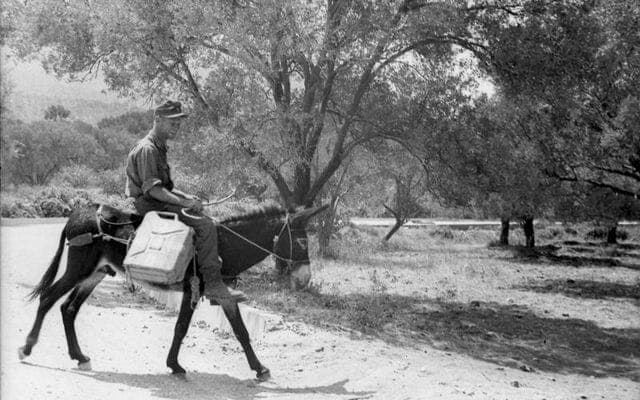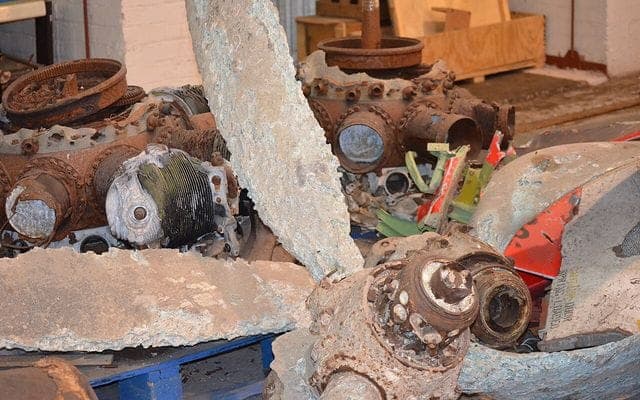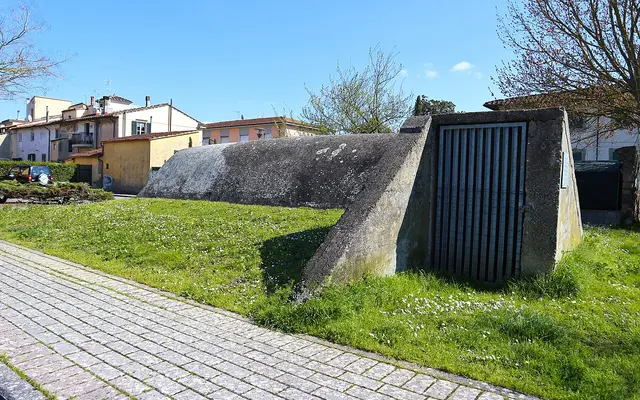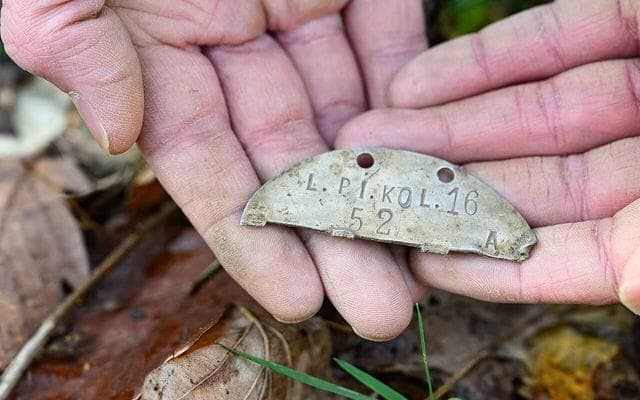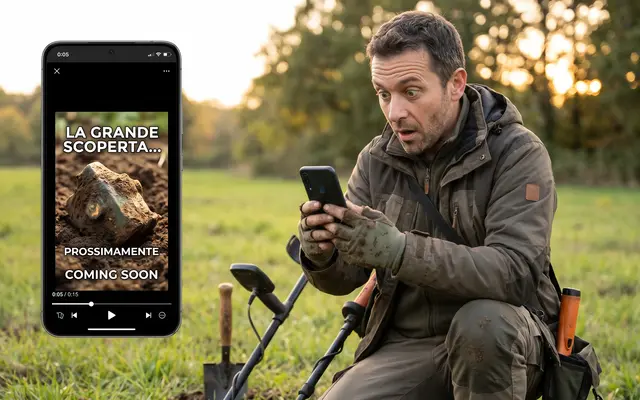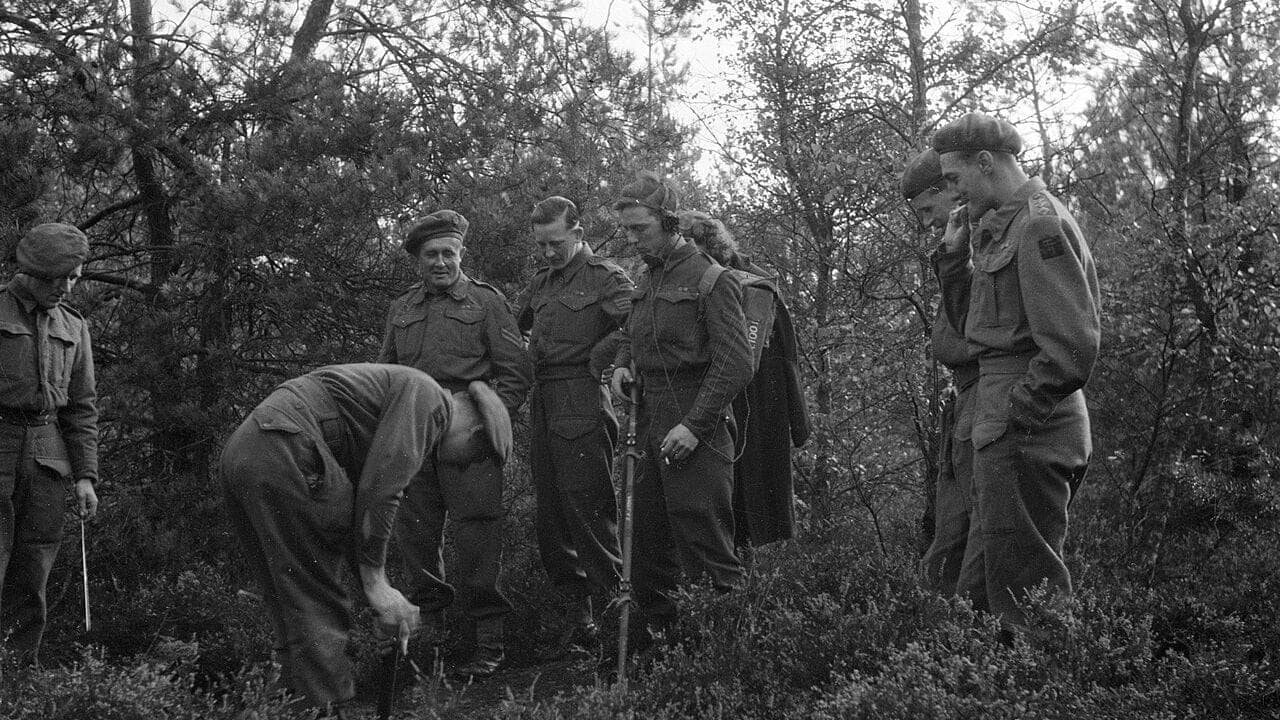
Among the content circulating these days in the Italian metal detecting community is a short video from the YouTube channel Italy Hunters, published in Shorts format. The title is direct: “Metaldetecting in Italy, 1944.” As the MD MANIACS editorial team, we are flagging it for the interest this kind of content holds for enthusiasts of historical research in the field.
It should be made clear from the start what our assessment is based on. The only source available to us is the video's public listing: its title and the hashtags chosen by the uploader. We have no detailed text description, nor verified information about the location, the filming date, the metal detector model used, or the finds shown. For this reason we do not report them: we prefer not to fill the gaps with assumptions.
What the listing shows is nonetheless significant. The video explicitly refers to Italy and to the year 1944, and the uploader accompanies it with the hashtags “ww2,” “history,” “nature,” and “metaldetecting,” as well as typical social media distribution tags such as “viralshorts” and “fyp.” The choice of these tags indicates how the footage is presented: a search story that combines interest in the history of the Second World War with contact with the natural environment, all in a vertical format designed to be watched in a few seconds.
The channel that publishes it is called Italy Hunters. Those who want to see the images and judge for themselves can find the video on YouTube at youtube.com/shorts/37GBbfyvf_I. We invite readers to consider the content for what it is, the testimony of its author, and to remember that a video of a few seconds cannot replace complete documentation of the context in which it was shot.
The subject, in any case, is one of those that most engage people who practice the hobby. Research linked to the wartime period is fascinating because it connects the person walking with the detector in hand to the recent history of the territory. For this very reason it demands respect: for the places, for the memory of those who lived through them, and for the rules in force regarding search and the recovery of finds. Every enthusiast should familiarize themselves with the applicable legislation before going out into the field.
On the technical side, those who dedicate themselves to this kind of search know how much knowledge of their equipment matters, along with correct ground balance and discrimination settings, and the use of a pinpointer to locate the target precisely, limiting digging to what is strictly necessary. On these aspects the video does not provide, at least in the listing we consulted, any indications we can report, so we limit ourselves to recalling them as general good practices in the sector.
The value of reports like this lies above all in showing how active the Italian community is with new video formats, and how much interest there is around history rediscovered in the field. If Italy Hunters or other creators make further details available about location, context and search methods, we will gladly update this article with verified information.
To readers who have already seen the footage, or who know the channel, we ask that you send in reports and clarifications through our channels. In a community that thrives on the exchange of experiences, sharing accurate information remains the best way to value the work of those who document their outings and to keep the storytelling of high quality.