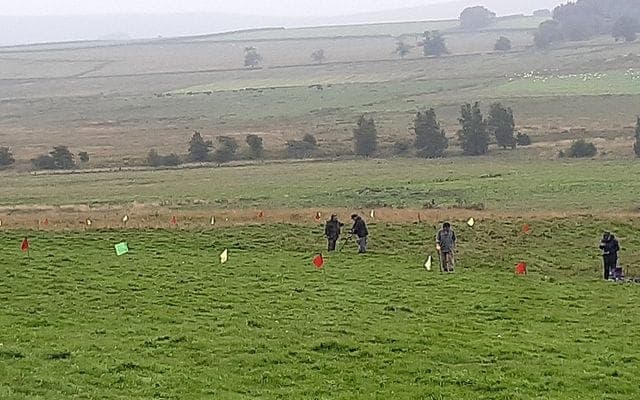
Metal detecting is not just a way to spend time outdoors: according to the blog of the US retailer Modern Metal Detectors, it can also become a source of income. The guide, published on the store's website, argues that many enthusiasts have turned their passion into a steady income. They have done so by selling collectible items, finding valuable objects, or helping other people recover what they had lost. The source is a commercial blog, so it also recommends specific equipment. Earnings information should be read as general suggestions, not as promises. The text provides no figures or verifiable data on revenue.
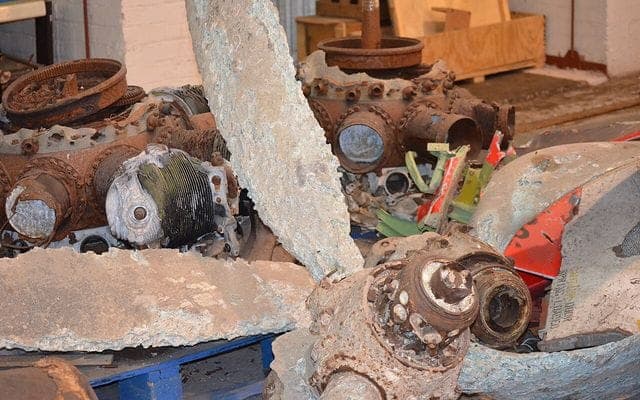
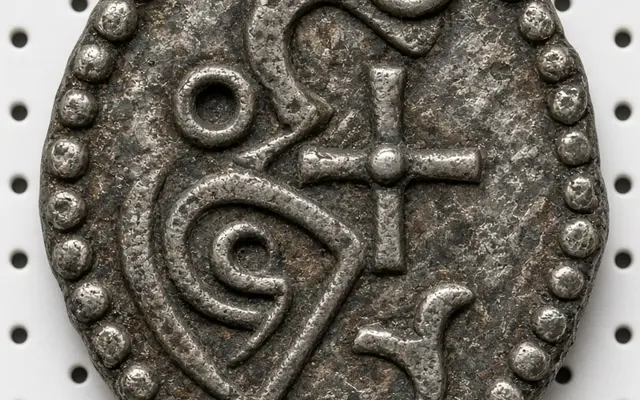
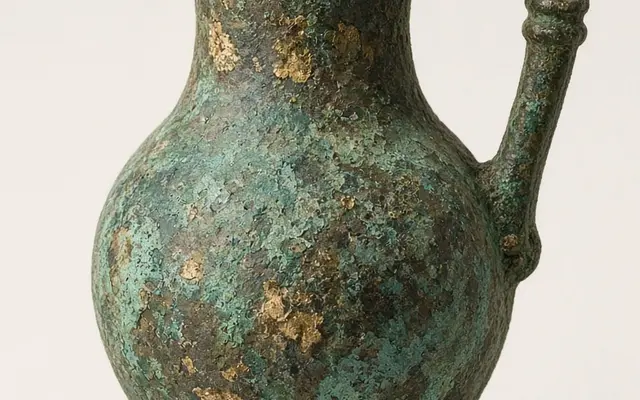
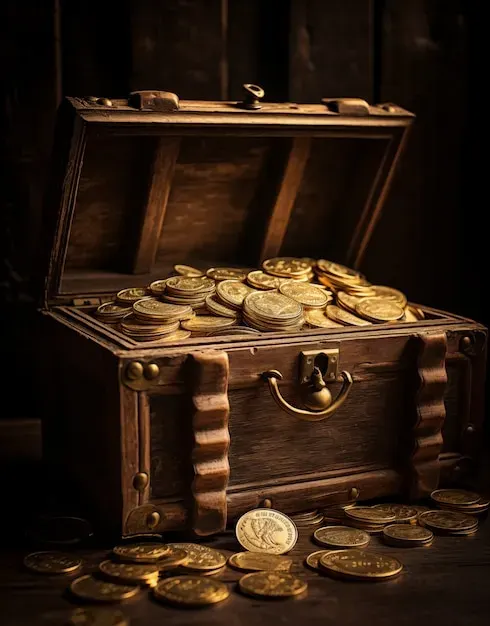
Among the valuable finds, the article mentions gold and silver coins, lost jewelry, historical artifacts, and precious metals. Ancient coins, the source writes, are prized by collectors, and some very rare examples can be worth a considerable amount. Rings, necklaces, and wedding bands in gold, silver, or platinum can be sold for their metal value or as antiques. Relics from ancient societies can be valuable if they have historical significance.
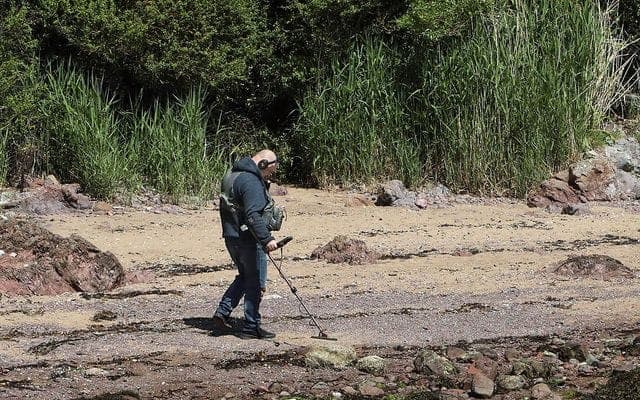
The blog also points to certain search locations. Beaches are described as suitable because many people lose jewelry and coins there, and the movement of the waves means that new objects can surface every day. For these outings, the source recommends a waterproof metal detector capable of working in wet conditions and in salt water. Then there is the search for gold. According to the article, some people search for nuggets in rivers, deserts, and old mining areas. The text claims that a metal detector can locate deposits much more quickly than the traditional gold pan. To do so, it suggests a device dedicated to gold, capable of detecting even small particles in mineralized soil.
Another route is the professional recovery of lost items. The source notes that many people lose wedding rings, car keys, or expensive watches. A detectorist can offer a paid service to help them find these items. The article also addresses the online sale of finds. Ancient coins, mementos, and jewelry that are centuries old, according to the blog, are in high demand among collectors and history enthusiasts. Some hobbyists buy and sell historical objects: the source specifies that this activity can be profitable if one knows the historical value of the finds. It cites war memorabilia, old tools, and coins from distant eras as examples, which can often reach high prices.
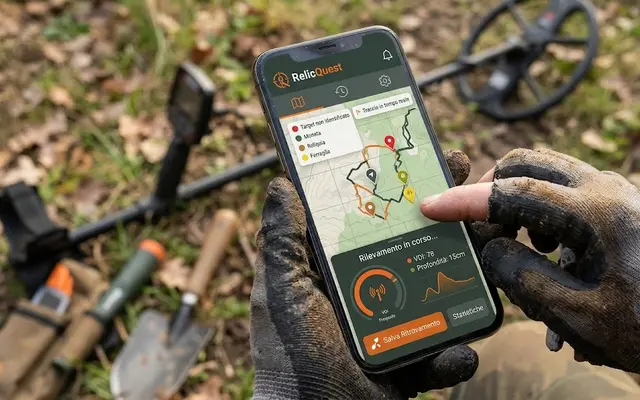
To distinguish interesting finds from common scrap metal, the blog recommends a digital device with accurate target identification. More generally, it suggests models with more advanced discrimination to increase the chances of finding valuable objects. The guide finally proposes two side activities. The first is content creation: according to the source, many amateurs have earned money on YouTube and blogs by showing their finds, giving advice, and reviewing metal detectors. The second is organizing outings and events, in which participants pay to take part in guided searches or to explore historical sites. For difficult terrain, the blog suggests a model with advanced ground balance.
The original text concludes by presenting metal detecting as an adventurous hobby and a way to earn extra income. However, the final part of the source available to us appears to be truncated. There is one aspect to consider that the guide does not address: the rules on searching, ownership, and sale of finds vary from country to country. In Italy, before considering any income, it is essential to check the regulations in force.