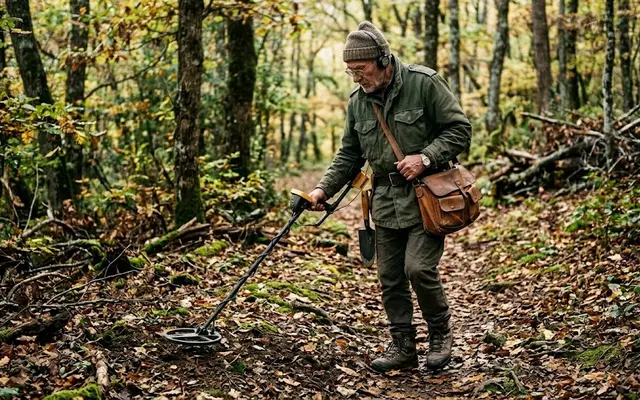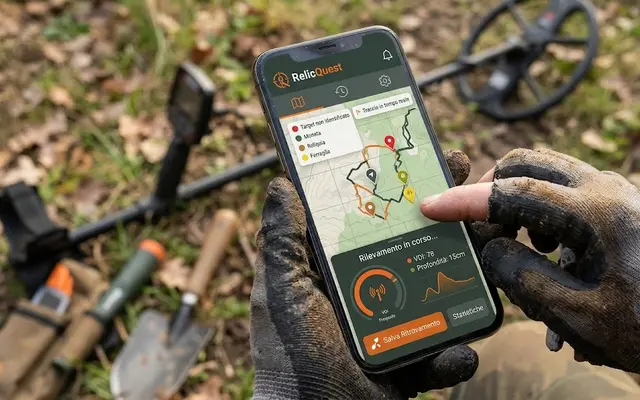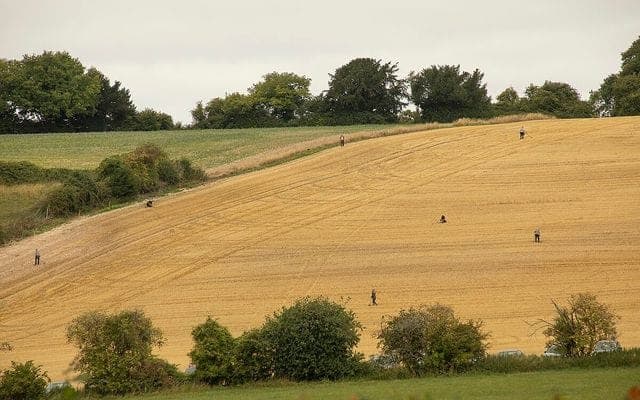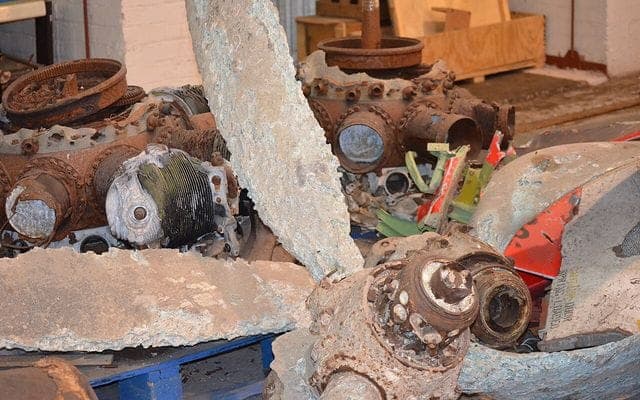
A video watched on YouTube prompted the author of the Focus Speed site to write an article on a topic that, in the author's view, the metal detecting community needs to address. This is not about attacking a single creator, settling a personal dispute, or telling anyone what they can or cannot publish. The point, the article argues, is broader: chasing conflict for clicks is not worth it and harms the hobby.
Anyone who has practiced detecting for years knows how fragile access to sites is. According to the article, a single negative interaction with a landowner, a park employee, a police officer, an archaeologist, a government agency or a simple passerby can affect many more people than the detectorist involved. On social media, moreover, that episode does not fade when everyone goes home: it stays online. For this reason, the article argues, those who create content about metal detecting carry an additional responsibility.
The article does not demonize the desire for views. The author acknowledges that building a YouTube channel is hard, that growing an audience takes time, and that gaining access to monetization is not simple: to earn full ad revenue through the YouTube Partner Program, certain subscriber and view thresholds must be met, along with compliance with monetization rules. There is nothing wrong, the article says, with wanting to succeed or earning money from these videos; many excellent detectorists invest enormous work in filming, editing, research, teaching and entertainment.
The problem arises when getting a reaction becomes more important than representing the hobby responsibly. A thumbnail with a furious argument, or a title that labels someone a "Karen", may be an easy and quick way to attract clicks, but it risks coming at the expense of respectful behavior and the image of metal detecting. A video in which a detectorist calmly asks for permission, refills the holes and handles interactions professionally will perhaps be less sensational, but it represents the activity far better.
This leads to the question the author puts to those who film and publish: do you create content because you love metal detecting, or do you create situations because you need people to watch? The difference, the article stresses, is enormous. Metal detecting does not exist only on YouTube: other detectorists must still enter parks, knock on doors, ask for permits and deal with landowners and authorities. When conflicting or irresponsible behavior is presented as normal, the consequences can extend well beyond whoever uploaded the video. Viewers, the article reminds us, can form an idea of the whole community based on the latest metal detecting video they have seen.
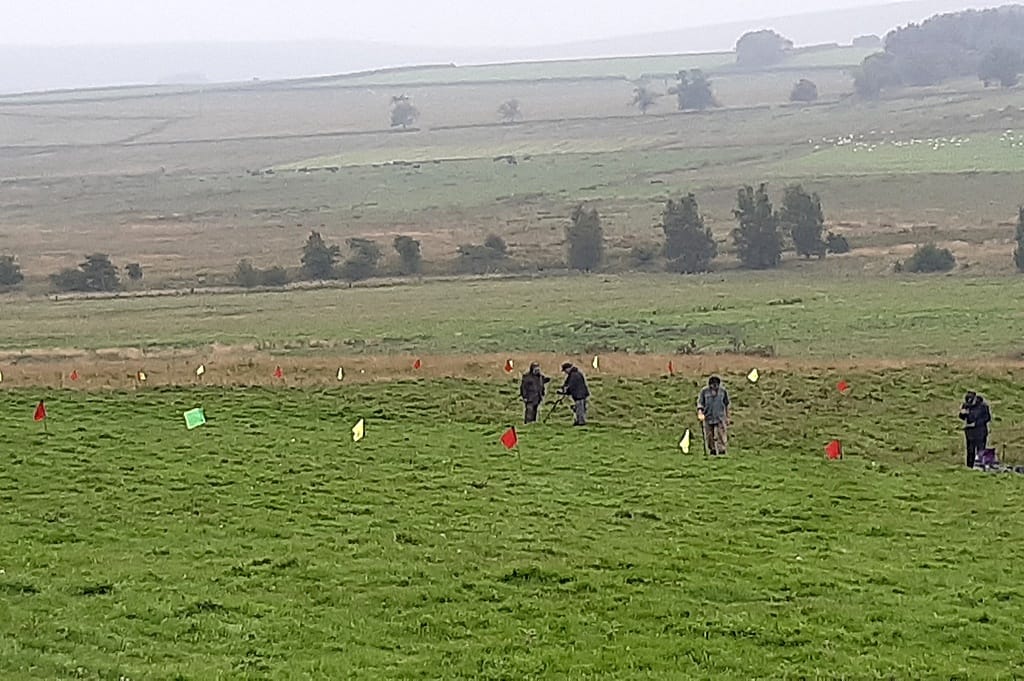
The author also recalls the progress made. In the past, relations between professional archaeologists and amateur detectorists could be very tense, but the situation is changing. Today archaeologists, historians, law enforcement, landowners, salvage specialists and other professionals recognize that expert detectorists can bring useful skills to some projects. For the author, who works in archaeology and geophysical survey as well as being a detectorist, this is a result felt as personal: having seen how much knowledge exists on both sides, and how productive collaboration becomes when people respect each other.
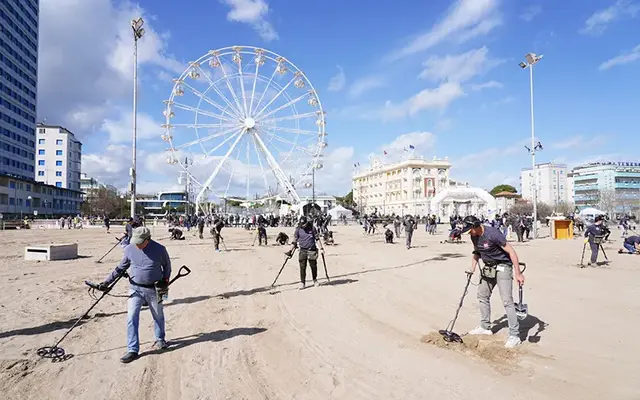
The conclusion: professional credibility can take years to build and only minutes to damage. The stated goal is to keep showing that responsible detectorists are prepared, fair and respectful, whether they are helping recover and preserve history or simply spending a day at the beach. That means treating other detectorists, passersby, lifeguards, park staff and law enforcement with respect, avoiding swearing, insults and intimidation.