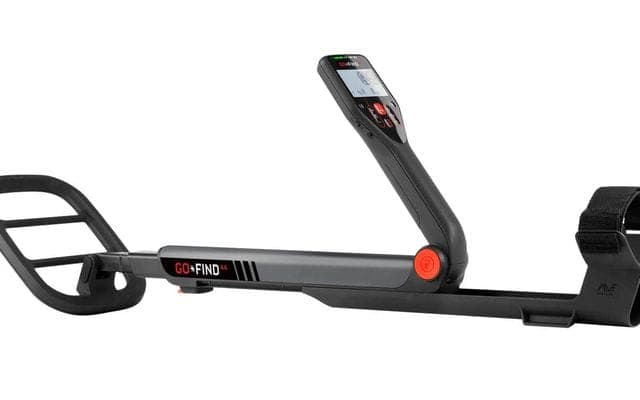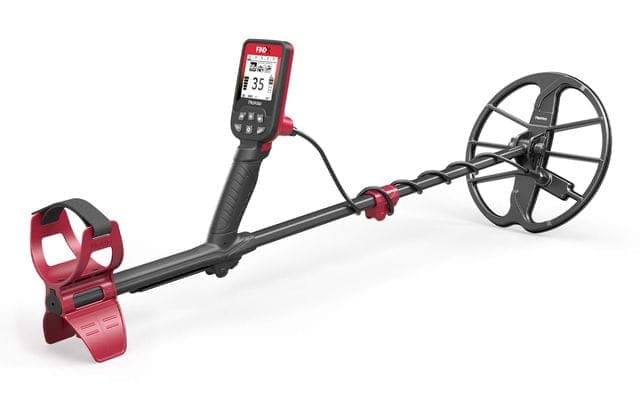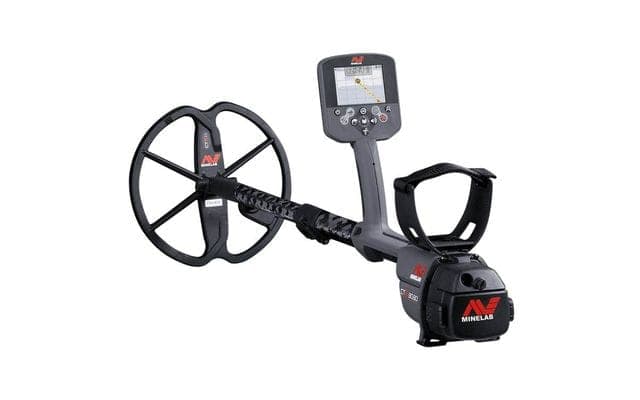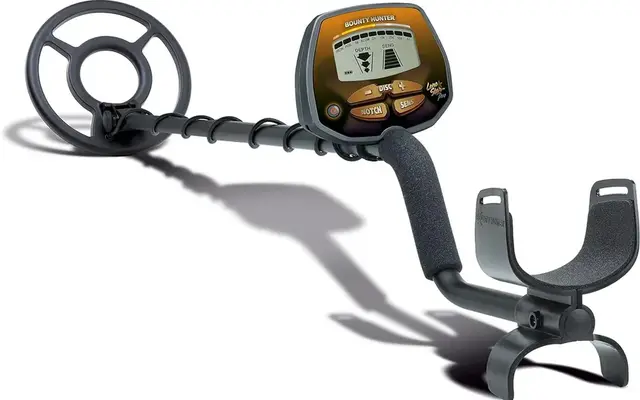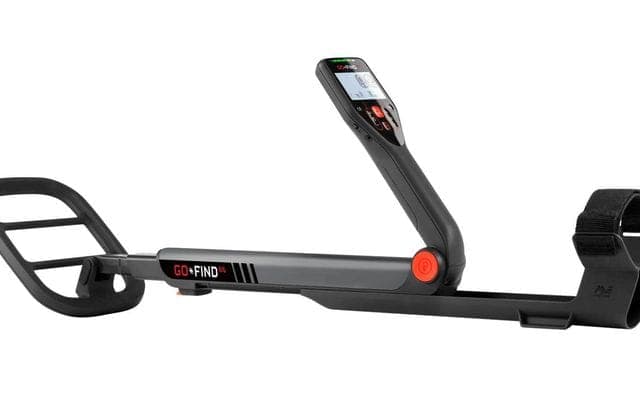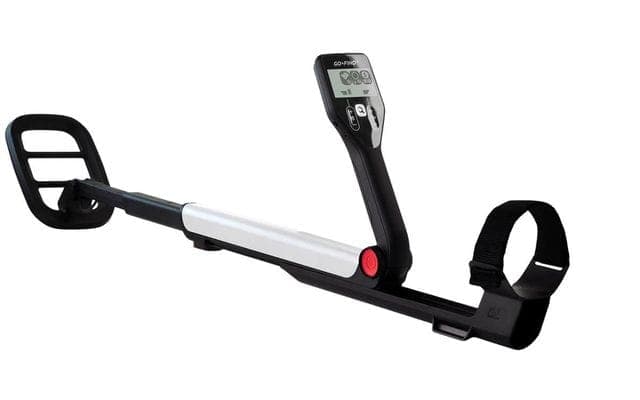
The Minelab Go-Find 22 is an entry-level metal detector designed for beginners and occasional users. Compact, lightweight and easy to use, it is explicitly aimed at families who want to try detecting without a demanding investment. A specialized French retailer lists it at about 161 euros, a price that places it among the most affordable models on the market.
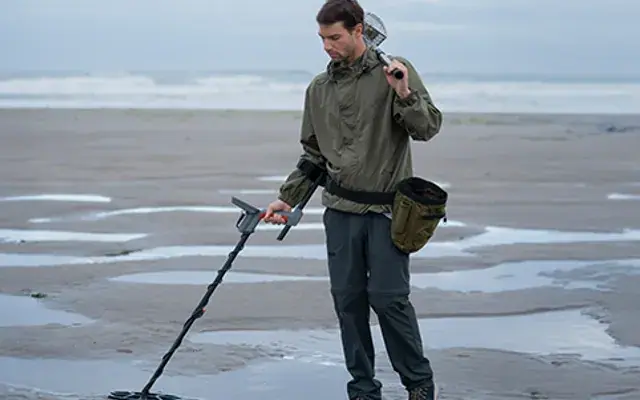
At the heart of the device is 7.8 kHz VLF technology, a classic architecture that performs well on metal objects close to the surface, such as coins, jewelry and small lightweight items. The 8-inch coil is waterproof, providing good sensitivity and reliable results even in slightly damp environments, such as riverbanks or the water's edge.
As for search modes, the Go-Find 22 offers three options. The first is the all-metal mode, which detects every type of metal without distinction. The second is dedicated to pinpointing, that is, the precise location of the target once its signal has been identified. The third is basic detection, designed for quick searches without having to make complex adjustments. The overall approach is clear: no elaborate settings and no steep learning curve.
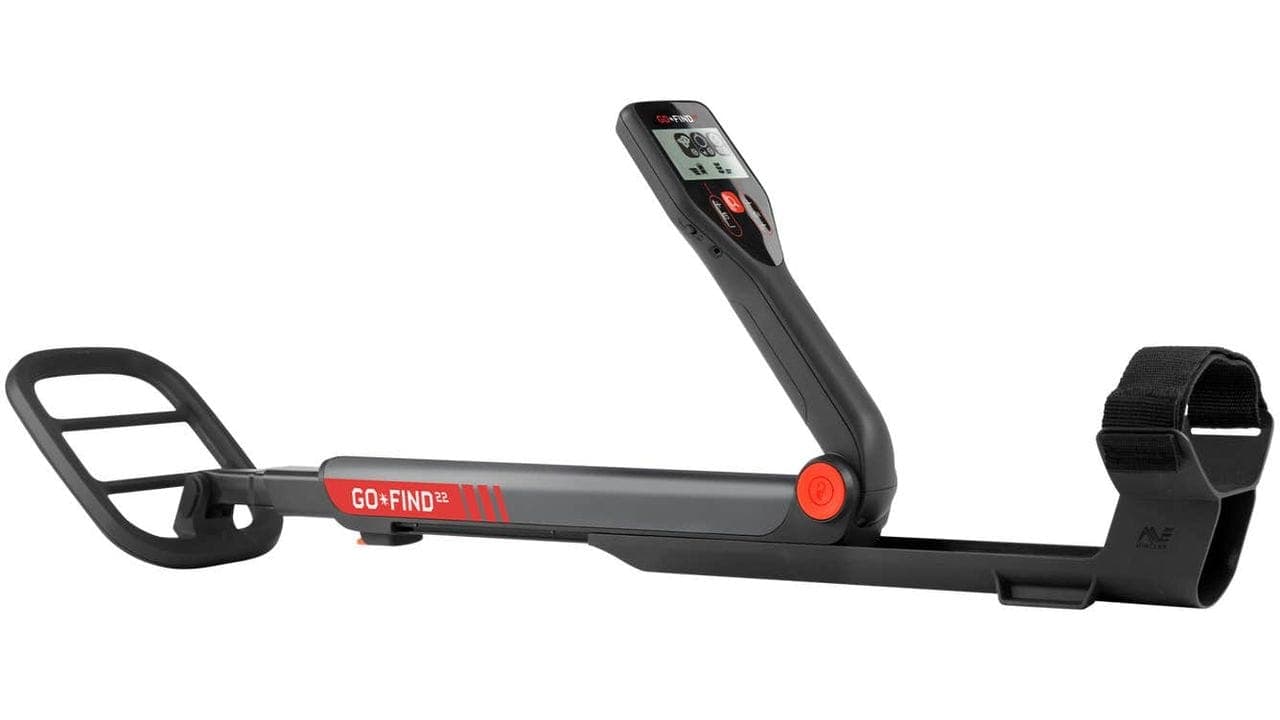
The interface is based on LED indicators that immediately signal the presence of a target. For those taking their first steps, this visual approach helps them quickly understand how the device responds when passing over an object. It is therefore not a machine with advanced discrimination or ground balance adjustments to fine-tune: its philosophy is simplicity, for those who simply want to start searching.
Weight is one of the main selling points: about one kilogram in total. The choice is openly geared toward shared use, including by younger users, and the ergonomic design helps make even longer outings less tiring. The structure is also foldable, so it can be easily stored in a backpack or car trunk, a useful detail for those who travel often or have little space available.
When it comes to water resistance, the distinction is clear: the coil is waterproof, while the central body, which houses the electronics, is protected only against splashes. It should therefore be kept in mind that the device is not designed for full immersion, but for damp environments where only the coil may get wet.
The device is powered by four AA batteries, which are easy to replace even when away from home. Battery life is described as sufficient for extended search sessions, a practical feature that avoids dealing with proprietary rechargeable batteries and makes it simple to always have a spare set on hand.
So where does the Go-Find 22 stand in the market? It is an introductory detector, offering good value for money for those who want to discover the hobby, perhaps with the family, in parks, on beaches or on simple terrain. According to the source, users particularly appreciate its simplicity, its low weight and its reliable performance in surface searches. At the same time, advanced features are missing: those looking for greater depth, fine discrimination or customizable programs will need to consider higher-end models.
A final reminder concerns the legal aspect. As always, the use of a metal detector is governed by the laws of the country in which it is used, and in Italy the search for archaeological or cultural heritage items is subject to strict restrictions. Before heading out with any device, even the simplest one, it is advisable to check local rules and the areas where detecting is permitted.