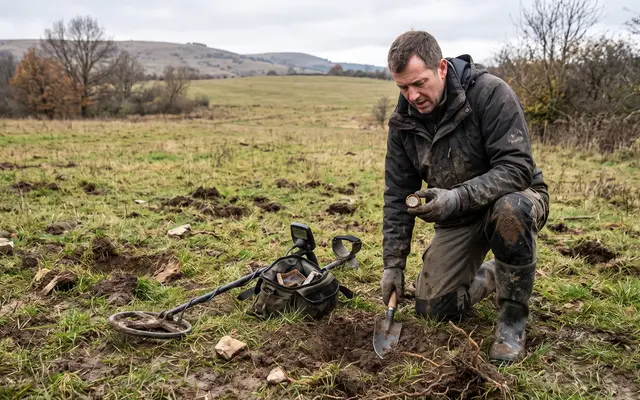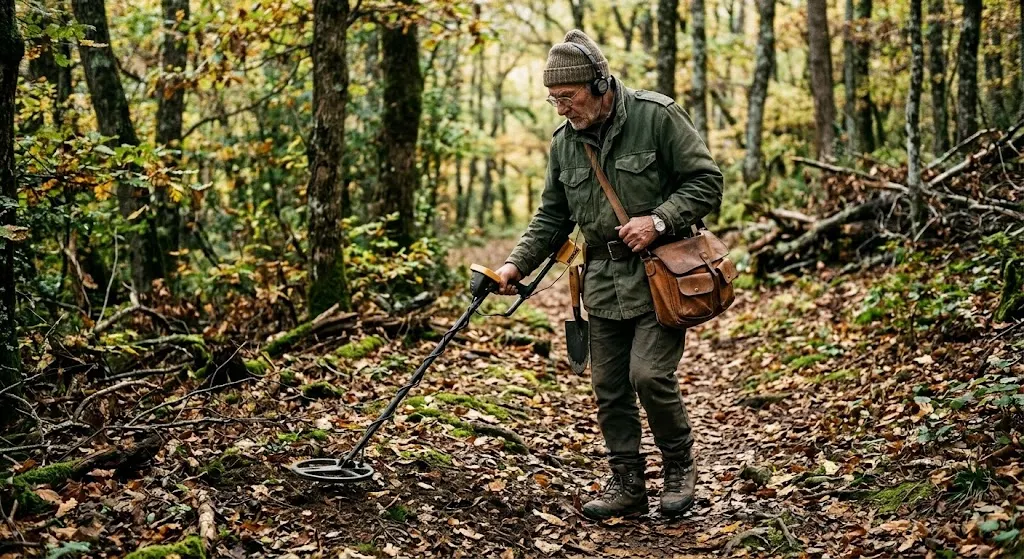
Among the best detectorists are not always those with the most-followed YouTube channels or the best-known names at events. Often they are people who work quietly: they study old sites, learn their machine inside out, return to difficult terrain and recover finds that stop even the most experienced searchers in their tracks. This idea is the starting point of an interview published by the US website Focus Speed with Kenny Jewell, a detectorist from Fort Worth, Texas.
The author says he became interested in Jewell after the advice of a long-experienced detectorist, whose judgment he respects. That person told him he had to interview Jewell and spoke with great esteem of his skills and knowledge. Jewell's name may sound familiar to readers who follow Focus Speed's articles on historical finds.
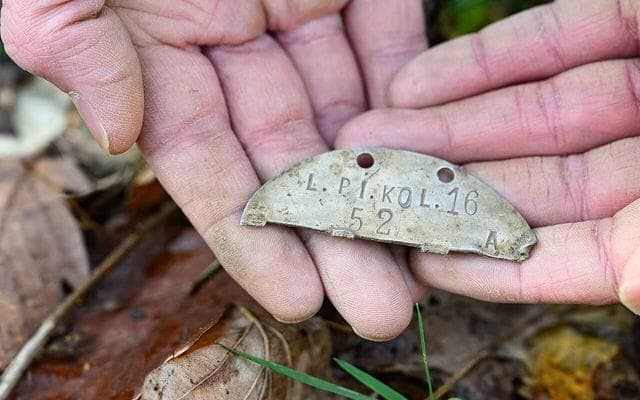
The most evident result of his research is a collection of 14 Texas chauffeur badges, dated from 1917 to 1949. According to the source, he recovered them over about 15 years of searching around Fort Worth. For Focus Speed, the collection demonstrates consistency, site selection and the ability to recognize historical targets that many others might overlook.
The questions put to Jewell concern topics useful to both veterans and beginners. How do you study search locations? How do you identify old promising sites? How do you approach ground that has already been searched many times? How do you adjust the metal detector's settings? And what has improved the quality and quantity of his finds over time?
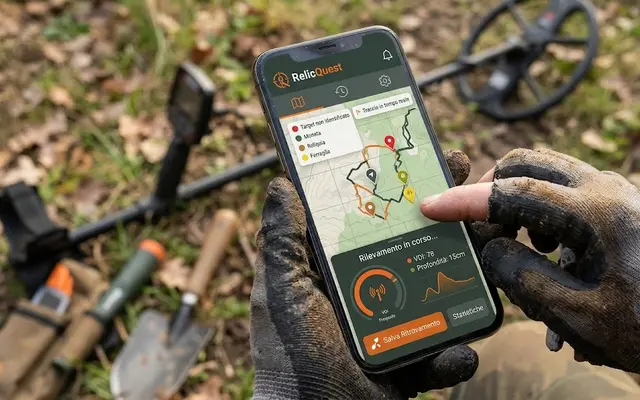
Over the years Jewell has used a Garrett AT Pro, a Nokta Simplex and a Nokta Triple Score. According to the author, his experience recalls a point often overlooked when people ask which machine will find the most coins, jewelry or relics. A more expensive detector does not automatically make you better. Modern machines offer real advantages, such as faster target separation, simultaneous multi-frequency technology, better ground management, adjustable recovery speeds, advanced discrimination and increasingly sophisticated audio. But technology, the source observes, only takes you so far.
What matters more is understanding what the machine is telling you and knowing the environment in which you are searching. According to the article, you need to be able to recognize doubtful signals and understand how iron affects nearby targets. You also need to know when discrimination hurts rather than helps, and how soil conditions affect target identification. That can be the difference between walking over history and recovering it.
There is also a skill no detector can provide: knowing where to search. Archival research, site selection, patience, perseverance and years of field experience remain, in the author's view, among a detectorist's greatest assets. And it is precisely this aspect that he wanted to explore with Jewell.
The opening part of the interview concerns the origins of his passion. Jewell says he has been searching for 17 years. It all began in 2008, during a vacation with his wife at Crater of Diamonds Park in Arkansas, where visitors can search for diamonds. He recounts searching from opening to closing time without finding a single one.
In his own words, however, the "virus" of treasure hunting had already taken hold. Back in Fort Worth, he looked for a way to keep going without having to travel out of town. At Christmas his wife surprised him with a Garrett Ace 250: the beginning of a path that, years later, led to the early twentieth-century chauffeur badges.
The source also touches on a theme dear to historical finds hunters: an object's age does not always correspond to the depth at which it is found. The text available to us breaks off before the in-depth discussion, so it is not possible to report further answers from Jewell here. What emerges is the portrait of a detectorist who relies more on method, study and knowledge of his equipment than on the price of the machine.