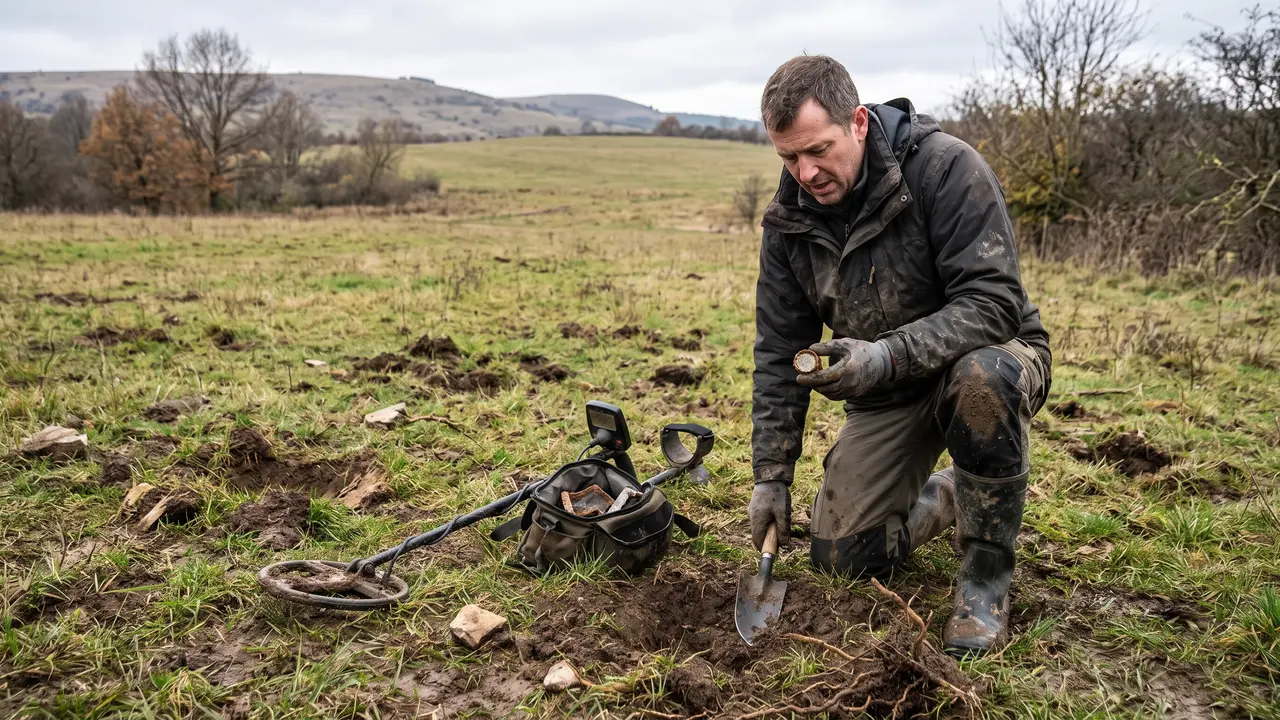
For many detectorists, the hardest part of metal detecting is not learning the tones, choosing the right detector or recovering clean finds. It is finding places to search legally, responsibly and with enough historical context to make the search meaningful. That is where the interview Focus Speed has published with Ryan Marcus, founder of Subterrix, begins.
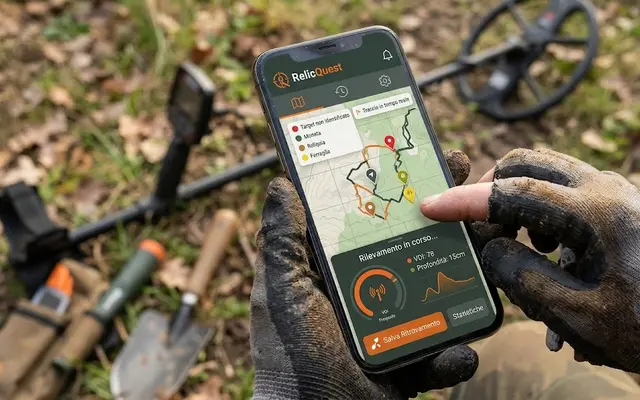
According to Focus Speed's presentation, Subterrix develops tools that combine mapping, historical research, property analysis, artificial intelligence and permission-based search opportunities. The idea is to serve those who want to go beyond the overused public parks. The stated goal is not to replace field experience, but to help the detectorist make better decisions before ever sweeping the coil over the ground. The interview was also meant to clear up misunderstandings that emerged after the launch. According to the source, Subterrix does not pinpoint where a treasure is located, does not replace the skill of the detectorist, and does not eliminate the need for common sense and a legal assessment of where searching is permitted. Its purpose is to support research, planning and access to potential sites.
Among the most widespread concerns is the fear that AI and mapping tools could replace experience. The article notes that technology cannot teach how to move the detector properly, how to interpret tones, how to recognize the false signals caused by iron (iron falsing), or how to read ground conditions. In the interview, Marcus sets out his position on these doubts and on how the platform fits into the future of responsible detecting.
Asked first how he got into the hobby, Marcus answers with a childhood memory. He started at around age ten, growing up on three acres in Holmdel, New Jersey, a town tied to colonial history, the American Revolution and the Battle of Monmouth. At school, a teacher showed the class an old colonial coin and, he recalls, something clicked. When he got home he told his father about it, and his father simply replied: "You should try metal detecting." He took him to RadioShack and bought him a Micronta 3001. A few minutes later, Marcus says, he was already hooked.
As often happens at ten years old, his attention soon turned back to sports and the rest of boyhood life. The seed, however, had been planted: at every decade, he recalls, he kept telling himself he should pick it up again. He did so at 42, after watching a video by Metal Detecting NYC, and from there, he says, his life really changed.
As for his training, Marcus says he learned by every means available: trial and error in the field and many hours spent studying online content creators. Among those who mattered most, he names Merrill of Metal Detecting NYC, Brad of Green Mountain Metal Detecting, John of Dig That Beep, Mark of Brass Medic and Jason of Quarter Hoarder.
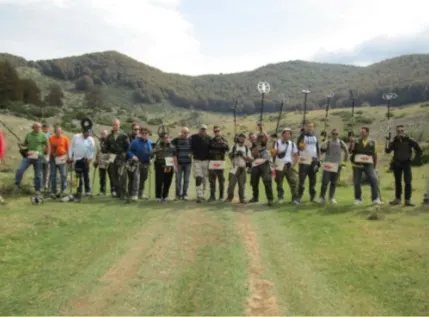
Above all, however, he stresses the role of his club, the Staten Island History Hunters. Its president, Mike DiTrani, has been a true mentor to him and, from the very beginning, a staunch supporter of Subterrix, so much so that one of the platform's tools bears his name. Marcus says he never takes this community support for granted.
A note on transparency: Focus Speed points out that if users sign up for Subterrix through its links, the site may receive a small commission at no extra cost to the user. The excerpt of the interview on which this article is based stops at Marcus's answers about his origins. The sections on his professional path, the platform's security and the reasons that divide detectorists should be read in the original article.