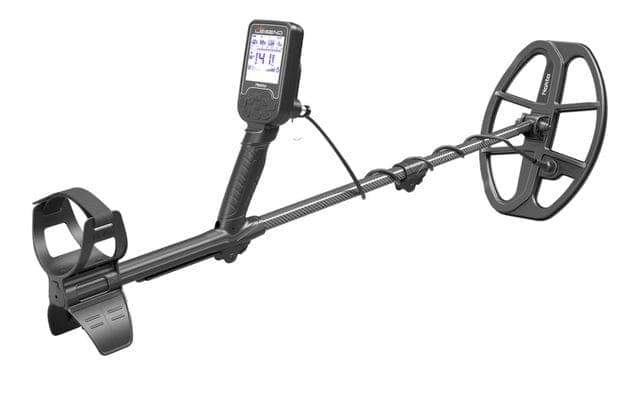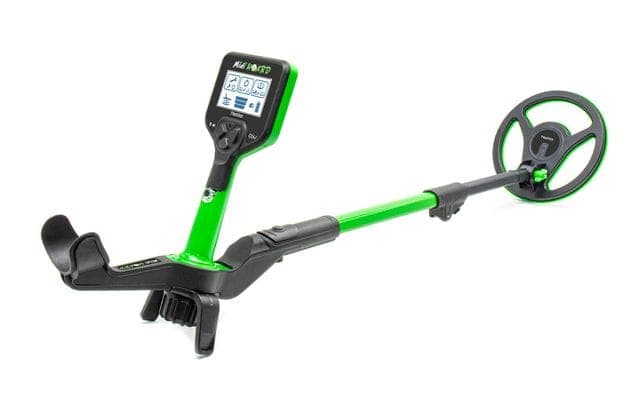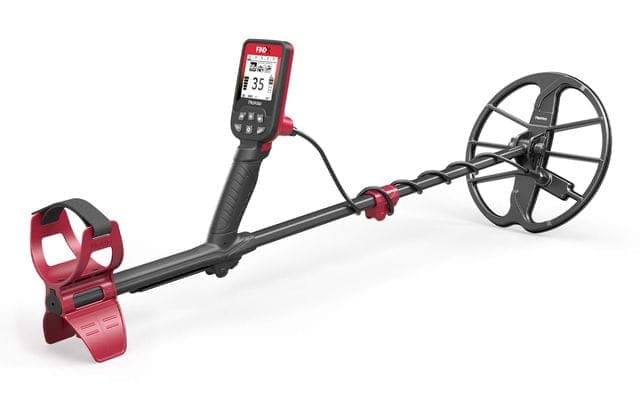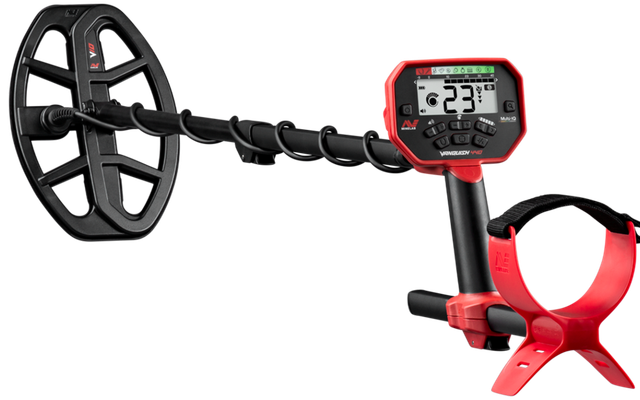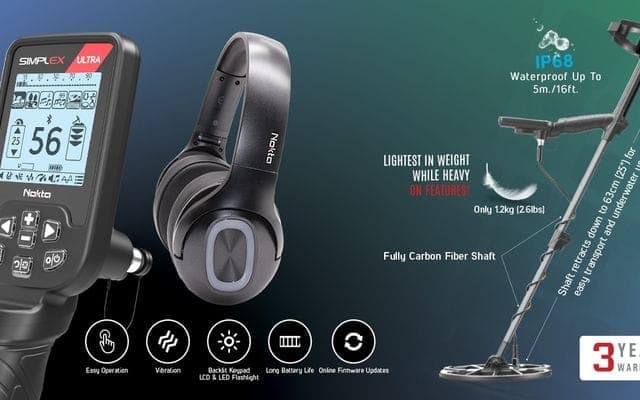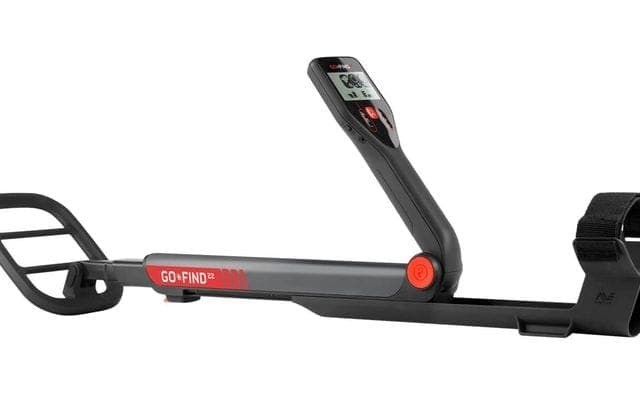
Anyone approaching metal detecting, or looking to upgrade without spending professional-level money, faces a crowded market. A recent review from the US blog Metal Detecting Life examines detectors that remain below the $500 threshold for 2026. The author says the picks came after hours of comparing reviews, field tests and digs, and names one model as the best value for money. The blog takes part in affiliate programs, which is worth keeping in mind when reading the verdicts. The basic features of the four devices are nonetheless a good starting point for getting oriented.
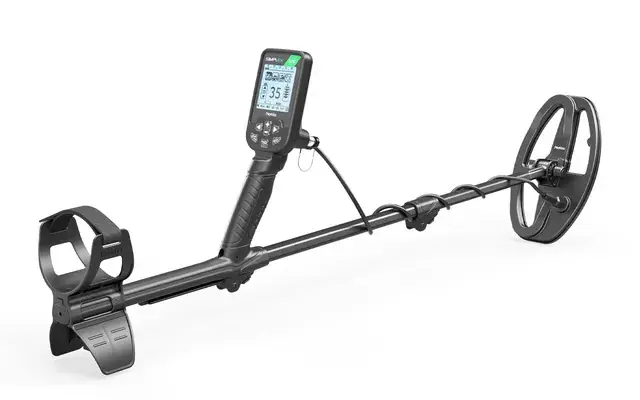
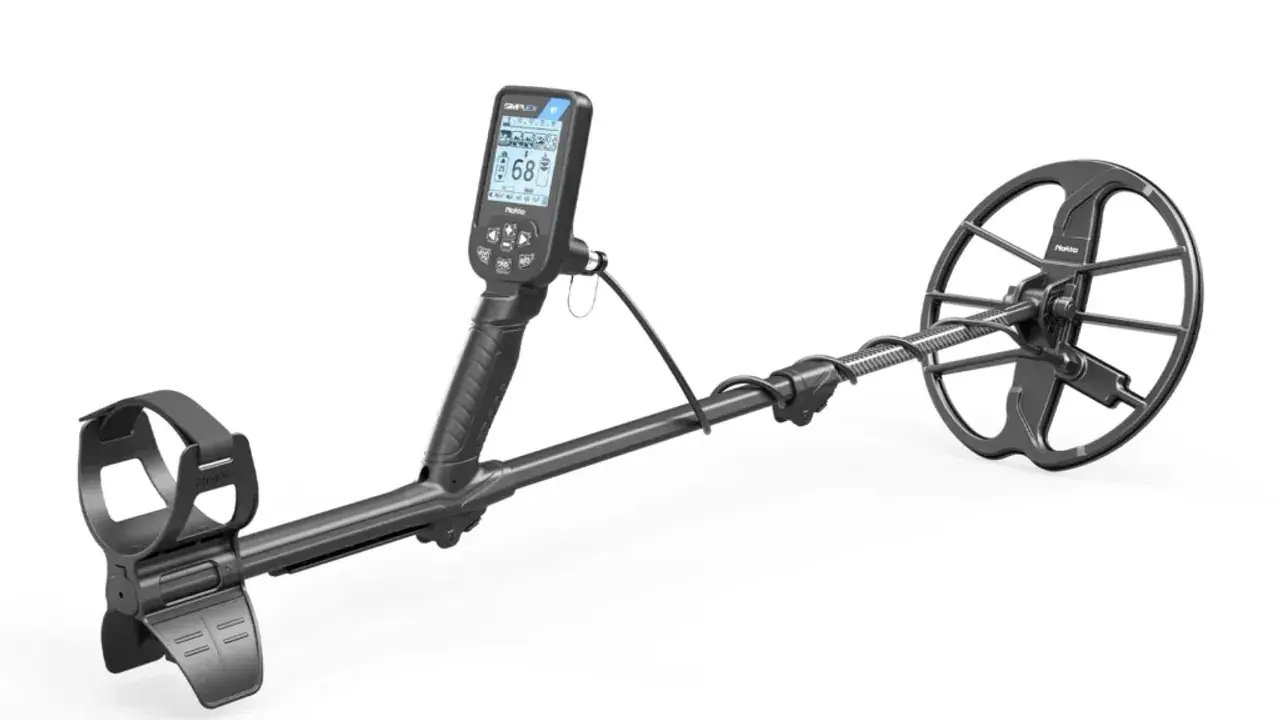
The Nokta Simplex+ is described as one of the most appreciated models for combining simplicity and performance. It is fully waterproof and can be submerged to about three meters (10 feet), so it also suits searching in water. It has a built-in rechargeable battery and offers wireless headphones as an optional extra, which allow more freedom of movement. The interface is considered intuitive, and the device is ready to use straight out of the box. It is recommended for finding coins, historical artifacts and jewelry, and is considered sturdy on rough terrain without being heavy. According to the review, many users appreciate features typically found in higher price ranges, at a mid-level price.
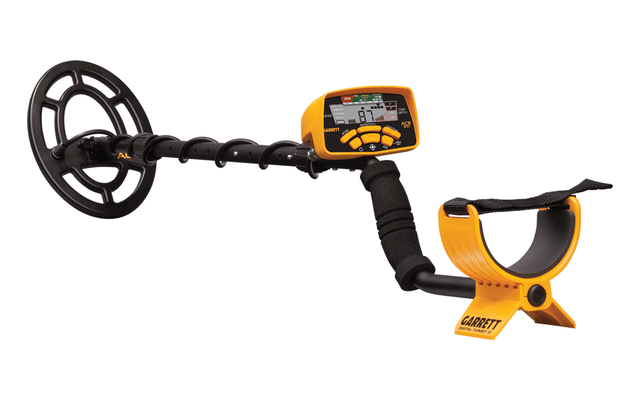
The Garrett ACE 400 has been on the market for several years but stays on the list thanks to its reliability. It is designed for beginners and intermediate detectorists looking for a good balance of features without a steep learning curve. It has a display with digital target identification, which shows values to help recognize more precisely what is in the ground. It also offers frequency adjustment, useful for reducing interference in environments with many electromagnetic disturbances. The author considers it easy to use for finding coins and relics, and for a few beach outings too. Among the points users cite most often are accurate target identification and its light weight, which helps during long sessions.
The Minelab Vanquish 440 brings Multi-IQ technology to the entry-level segment. It operates on several frequencies simultaneously to optimize performance. According to the review, it is suitable for different types of ground and conditions: beaches, parks and fields. The author highlights its ability to separate targets even in areas rich in metal waste, where discrimination is most challenged. The author also acknowledges that Minelab technology is among the best in the sector, but that it usually comes at a higher cost. Users praise its versatility, as it performs well in different environments without constant adjustments.
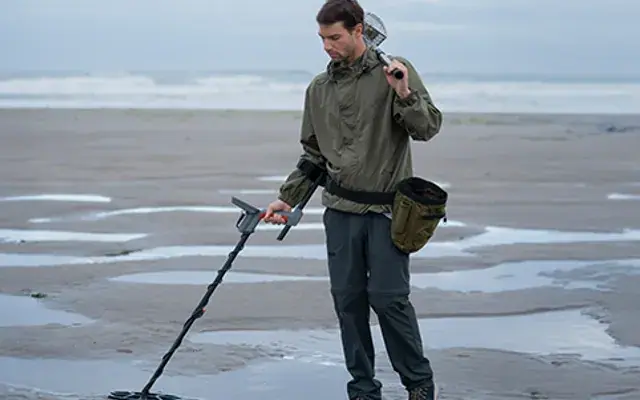
The Minelab X-Terra Pro closes the review and is presented as a model that can grow along with the enthusiast. It works in multi-frequency mode and has a fully waterproof body, usable down to about five meters (16 feet), so rivers, lakes and beaches are all possible search grounds. Alerts are both audible and vibrational, and remain perceptible in noisy environments or underwater. The battery is rechargeable, so no AA batteries are needed. The author stresses its adaptability to saltwater beaches, mineralized soils and fields, and believes its sensitivity and detection depth hold up against machines in a much higher price range. User comments highlight its reliability, ease of setup and light weight.
The comparison reveals some trends useful for buyers. Waterproofing, with immersion depths varying from model to model, is now widespread even below $500. The same goes for rechargeable batteries, present in two of the four devices described, and for multi-frequency operation, which the two Minelab models use to adapt to different soils. The fact remains that the verdict comes from a single reviewer. Before buying, it is worth checking up-to-date specifications, the price on the Italian market, and the type of ground where the detector will be used.