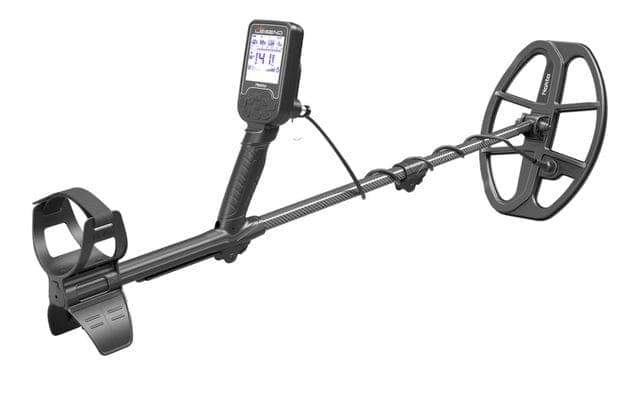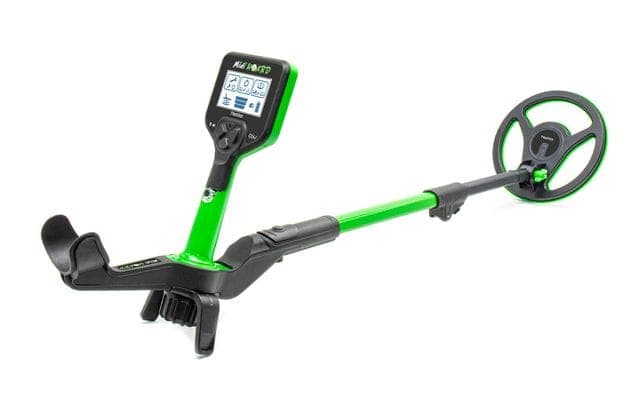
Anyone approaching metal detecting soon faces a difficult choice: the range on offer is wide, and it is not simple to work out which device suits one's budget. A selection published by the US blog Metal Detecting Life tries to bring order to the field, listing five detectors under $300. According to the author, all the models have an average user rating of at least four stars and are designed for hobbyists and beginners. The source, by its own admission, uses Amazon affiliate links, so the ranking should be read as a personal opinion. It is nonetheless worth looking at the technical features of the models cited.
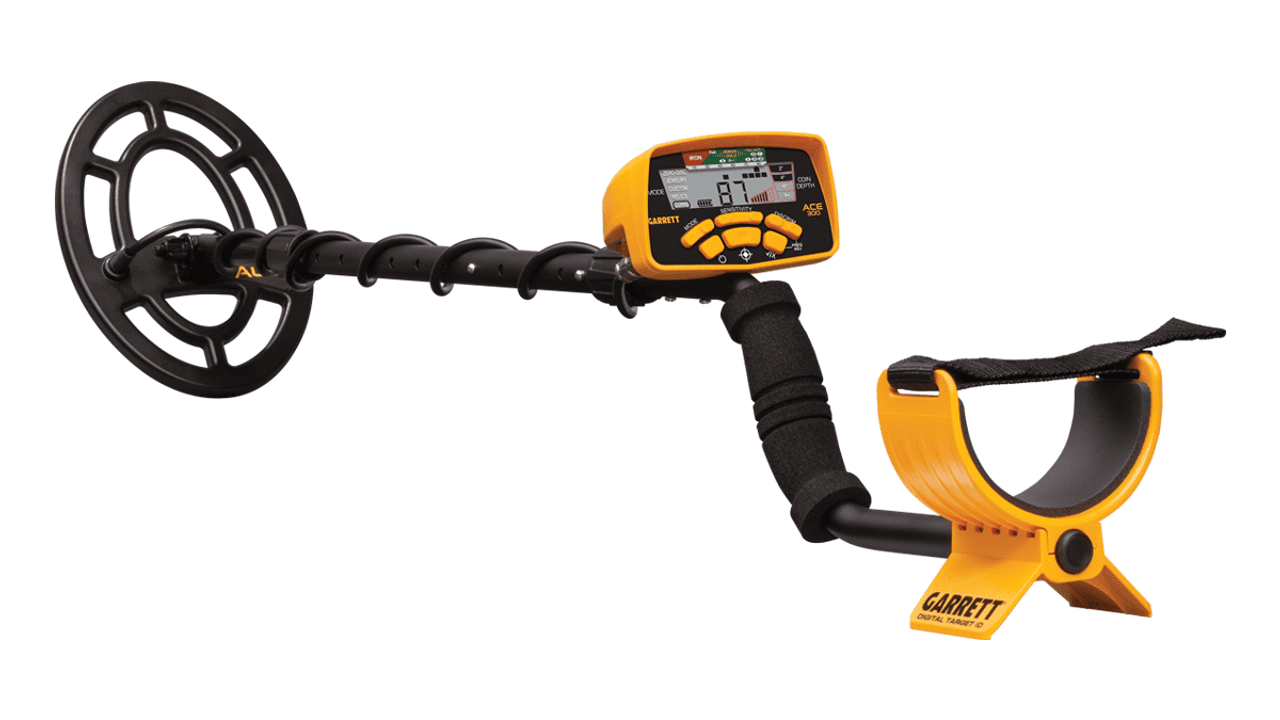
The first is the Garrett ACE 300, described as a versatile device suited to both beginners and experienced users. Garrett is a historic brand in the sector, and it manufactures this model in the United States. The detector is lightweight, has a comfortable handle, and offers digital target identification on a scale from 0 to 99. It also has an adjustable frequency, useful for reducing interference from other detectors operating nearby, and an iron audio function, which helps distinguish ferrous objects from targets of interest. It is described as effective in searching for coins, historical finds and on dry beaches.
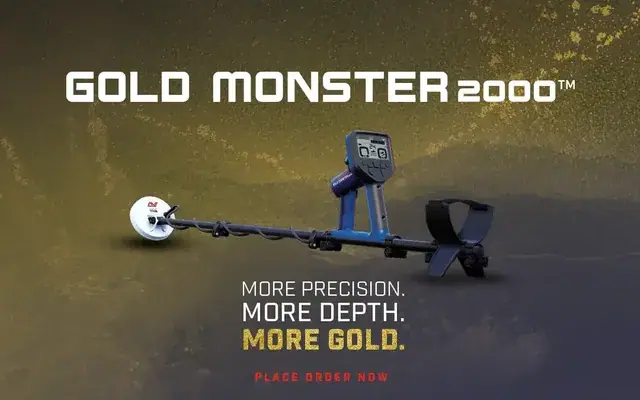
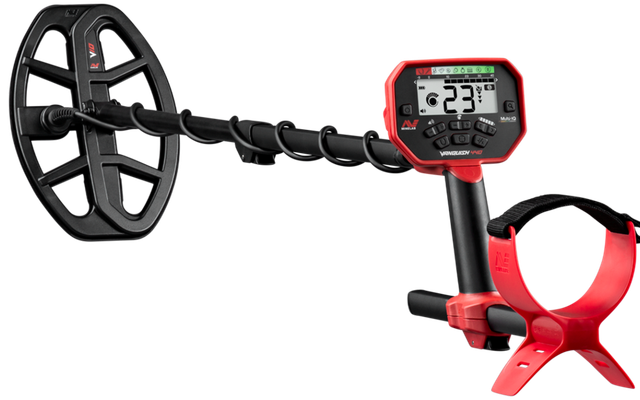
The Minelab Vanquish 340, by contrast, relies on Multi-IQ technology, the manufacturer's proprietary system that operates on several frequencies simultaneously. The claimed advantage is greater accuracy and detection depth, with the ability to pick up all metals in different ground conditions. The author singles it out in particular for use on beaches and in highly mineralized soils, where other devices in this price range struggle. Typical targets cited include coins, jewelry and small finds. User reviews praise its ease of use and its low weight.
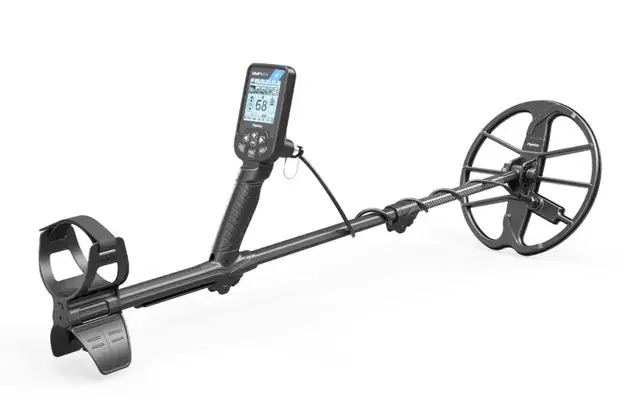
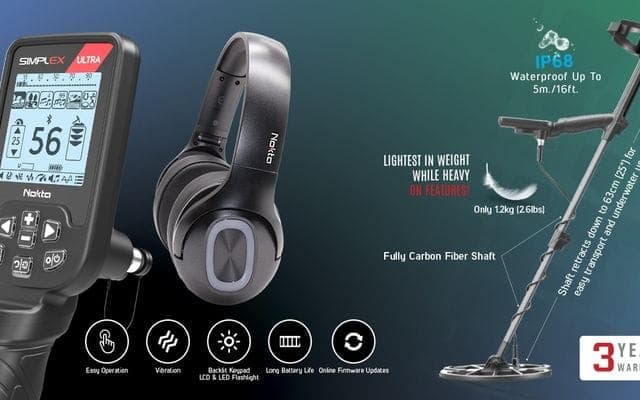
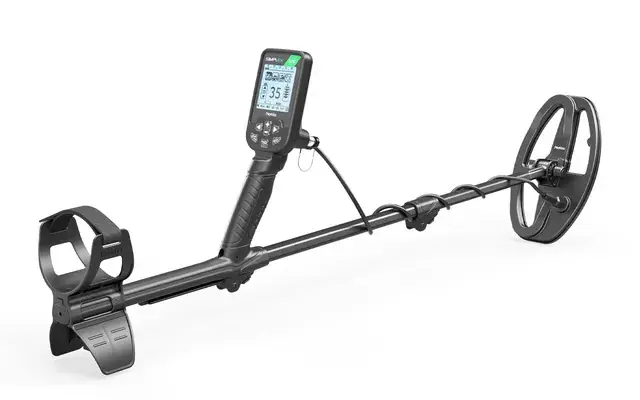
The Nokta Makro Simplex+ is indicated as one of the best value-for-money options in the selection. It is one of the few models in this price range that is fully waterproof, up to about 5 meters deep (16 feet). It has a backlit display and a vibration mode, designed for underwater use or for those with hearing difficulties. It also offers preset search programs, to choose according to the type of ground, and a built-in rechargeable battery. The author has used it on beaches, in parks and in fields, and considers it suitable for those who want to search both on land and in water.
The fourth model is the Fisher F22, a weather-resistant and lightweight detector, recommended for full-day outings. Its linear interface and reliability are appreciated. The source text available to us breaks off precisely at this point, so it is not possible to report further specifications of the F22 or the fifth model announced by the ranking.
From the overall picture, some practical indications emerge. For those looking for a device to use mainly on land, with target ID numbers and frequency adjustment, the Garrett ACE 300 is the most oriented toward traditional searching. Those who frequent beaches or mineralized ground can consider the Minelab Vanquish 340 and its multi-frequency technology. Those who want to go underwater will find in the Nokta Makro Simplex+ the only one of the described models with a declared waterproofing rating of 16 feet. The Fisher F22, on the other hand, is aimed at those who prioritize lightness and simplicity.
As always, prices and availability vary from market to market, and the figures in the source refer to the US context. Before buying, it is advisable to check Italian price lists and compare several reviews. The central message of the original article remains: starting to find coins, jewelry and small finds does not necessarily require a high investment.