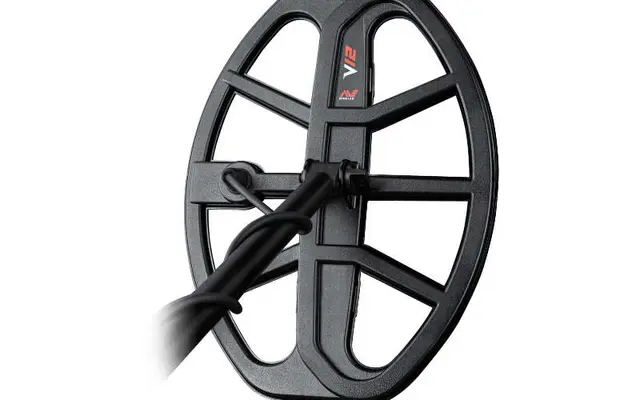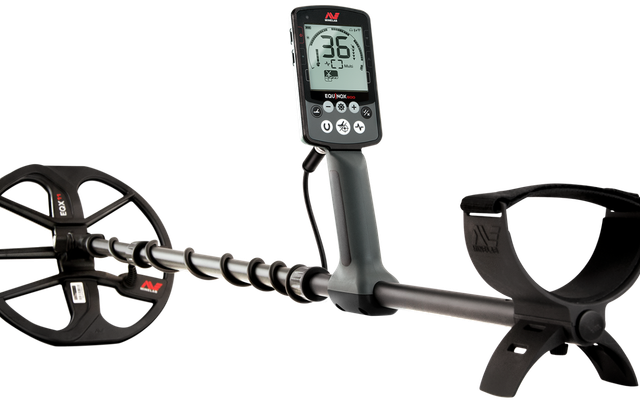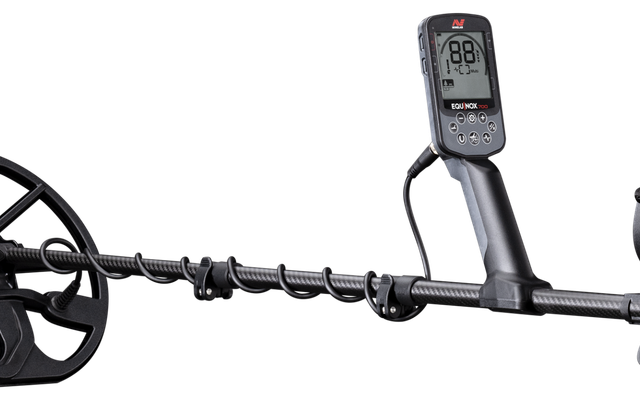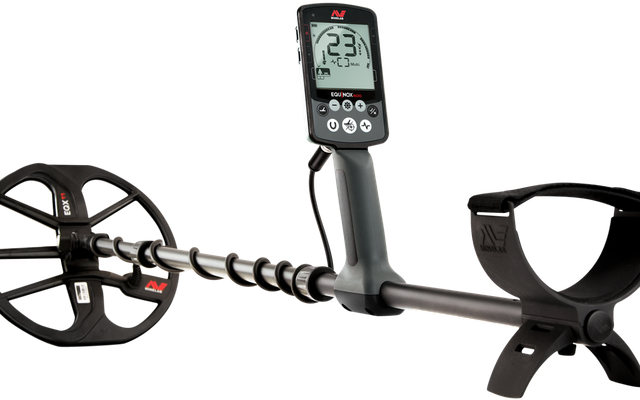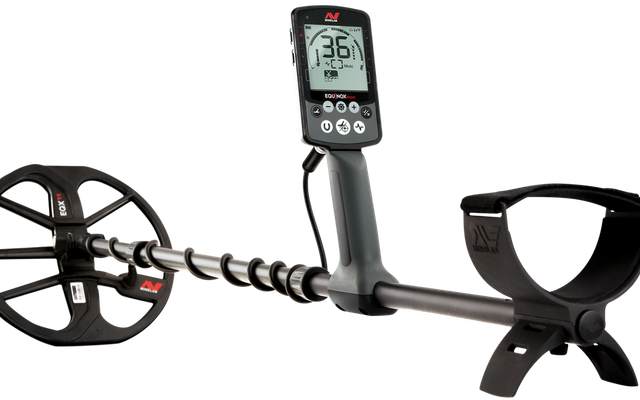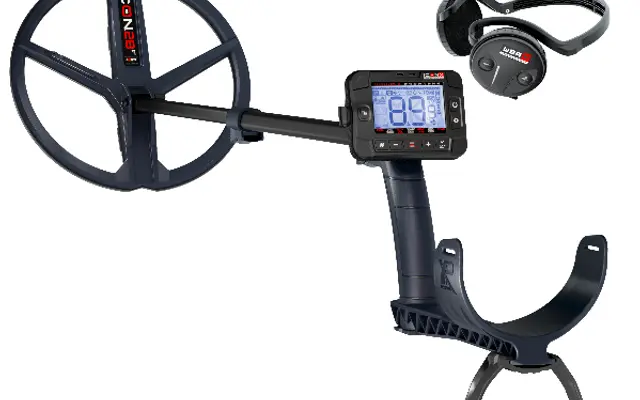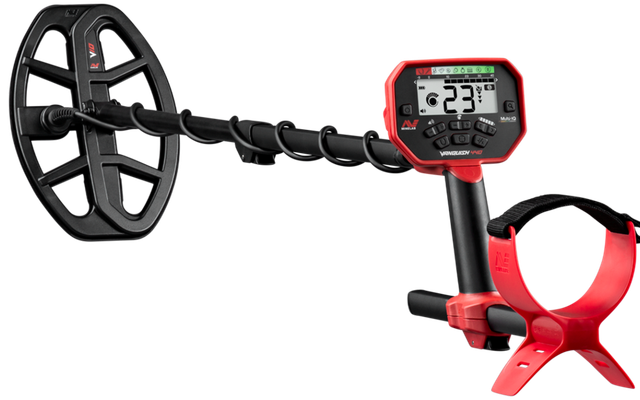
Changing the search coil is one of the most effective ways to adapt a metal detector to the ground you are searching. On the Minelab Equinox and Xterra Pro, the choice affects three things: detection depth, target separation and the area of ground covered with each sweep. The basic rule is simple: a small coil, 16 cm, is best in heavily polluted areas, while a large one, 38 cm, favors depth. The standard 28 cm coil remains a versatile and satisfactory option. Specific accessories, however, such as Coiltek coils or Minelab options, can significantly change the capabilities of the machine. A 16 cm coil makes it possible to isolate targets where the ground is saturated with iron, while diameters of 38 or 45 cm perform at their best on clean ground or on wet beach sand.
Before buying, it is important to consider the technology of the two devices. The Equinox 600, 700, 800 and 900 use the Multi-IQ system, which works on several frequencies at the same time. The Xterra Pro, by contrast, uses ProSwitch, which allows the user to select just one frequency out of four. This difference creates asymmetric compatibility. Coils designed for the Equinox series also work correctly on the Xterra Pro, so owners of the entry-level model have a wide choice of accessories. The reverse does not apply: the 30×22 cm coil supplied with the Xterra cannot be fitted to an Equinox, because the software of that series does not recognize the simpler technology of that model.
On the manufacturer front, Coiltek is today the only third-party maker with an official license to produce compatible coils. Newer Minelab devices include electronic protections that prevent the use of components lacking an authentication chip. The market is therefore more limited, but the source stresses that the signal remains stable and that the durability is equal to that of original spare parts. Field tests, according to the same source, indicate that these accessories meet the conductivity standards and the responsiveness of the Multi-IQ processor.
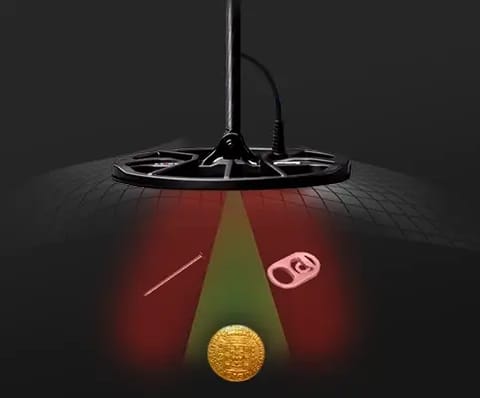
There are also situations in which a large coil is simply unusable. Dense woodland, narrow vineyard rows or the cellars of old houses call for easy handling. The same applies to ground with many nails and ferrous waste per square metre, where a tool capable of separating signals is needed. A small coil reduces the ground reading window and limits the risk of several objects being under the head at the same time. The 16 cm (6-inch) Minelab is the most compact option in the range. It performs best in riverbeds among rocks and in the rubble of ancient buildings, and it allows the machine to be maneuvered into spaces where a standard coil would hit obstacles. The price of such precision is a clear reduction in depth, so it is worthwhile where the number of targets makes up for the lower power.
More versatile is the oval 22×12 cm Coiltek. Its elongated shape maintains excellent target separation and offers more comfortable ground coverage. On medium-sized objects, the depth approaches that of the standard 28 cm coil. It weighs only 426 grams, an advantage during long search sessions, since it reduces muscle fatigue. The source text breaks off as it introduces large-diameter coils, designed for those who want to reach objects buried deep underground. The general criterion remains clear: choose the coil based on the terrain and the density of metallic pollution, and always check compatibility with your model before buying.