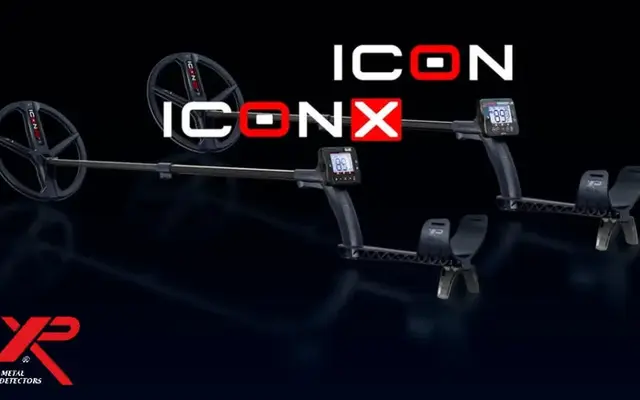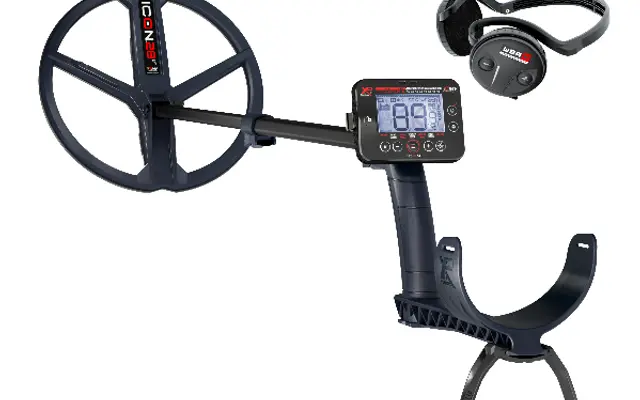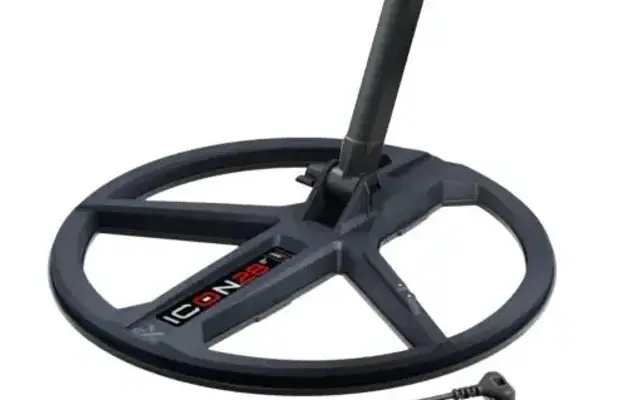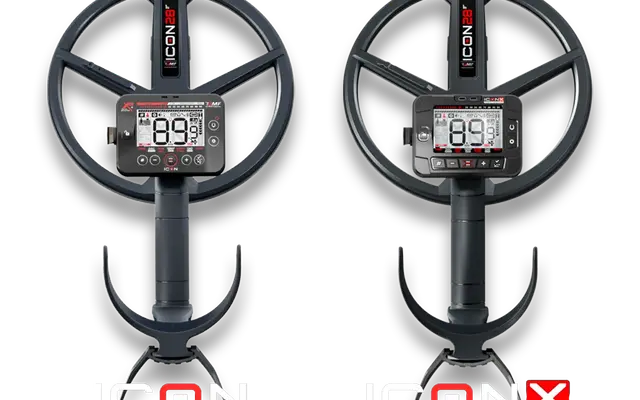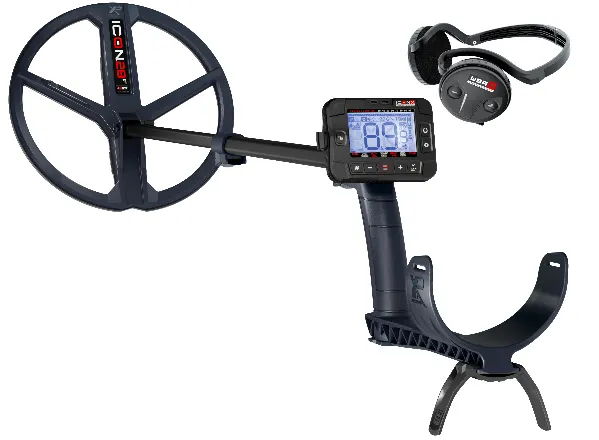
When XP unveiled the ICON and ICON-X metal detectors, interest was immediate. On paper, the offer was appealing: a lightweight, fully wireless machine based on FMF simultaneous multi-frequency technology, compatible with much of the Deus II ecosystem and priced noticeably below the flagship model. For those familiar with XP machines, it was easy to conclude that the ICON was a simplified and cheaper entry point into Deus II technology. After several months, with the detectors now in users' hands and much more information available, the picture appears more nuanced. This does not mean the ICON is a bad detector: much of the early feedback from owners describes it as a fully valid machine. However, some limitations emerged that were not evident at launch, along with some initial software problems.
The key point is that the ICON should not simply be considered a Deus II stripped of some advanced adjustments. XP correctly describes both models as built around FMF technology, with simultaneous multi-frequency operation and compatibility with the Deus II FMF coils. But sharing the basic technology does not mean sharing performance and level of control. The difference emerged when expert users began comparing the machines. One owner of both models paired an ICON remote unit with a 9-inch Deus II FMF coil and tested the system on the targets in his own test field. The result: the ICON detected all the targets, but without matching the Deus II. The same user nonetheless appreciated the machine, judging it suitable for general searching, parks, old house sites and the hunt for historical artifacts. In short, the ICON can be a good detector without being a discounted Deus II.
This is confirmed by XP's own presentation, which describes the ICON range as an entry point into the brand's ecosystem, recommended both for beginners and for those looking for a second lightweight detector as a backup. Looking at the specifications, the differences become sharper. The standard ICON offers three factory programs and three user programs, while the ICON-X rises to six factory and six user programs. Responsiveness is also more limited on the base model: five levels from 1 to 5, compared with the seven levels from 0 to 6 on the ICON-X. Discrimination resolution and audio adjustments also differ.
What stands out most is the choice of single frequencies: the standard ICON offers only two, 4 and 14 kHz, while the ICON-X adds 28 kHz. For a modern XP detector, this may seem a considerable restriction. However, one user discovered that when pairing his standard ICON with the 9-inch Deus II FMF coil, the available single frequencies changed, becoming approximately 4.4, 17.6 and 32 kHz. Part of the frequency behavior therefore seems to depend on the coil used. XP lists the 9-inch, 11-inch and 13x11-inch Deus II FMF coils, as well as the HF2 elliptical coil, as accessories compatible with the ICON and ICON-X. The 11-inch coil included in the package operates in FMF with a maximum frequency of 40 kHz, while the selectable single frequencies remain 4 and 14 kHz on the ICON, or 4, 14 and 28 kHz on the ICON-X.
None of this changes anything for those who simply want to switch on the detector, choose a program and start searching. For more experienced hunters who like to experiment with frequencies and settings, however, it is useful to know precisely where the machine's limits lie. Finally, one aspect that attracted attention at launch remains: compatibility with the Deus II FMF ecosystem. It remains one of the ICON's strengths, because it allows users to take advantage of accessories and coils from the more expensive family. In summary, the ICON is a lightweight, wireless and versatile machine for general use, but it should be evaluated for what it is, not as a scaled-down version of the flagship model.