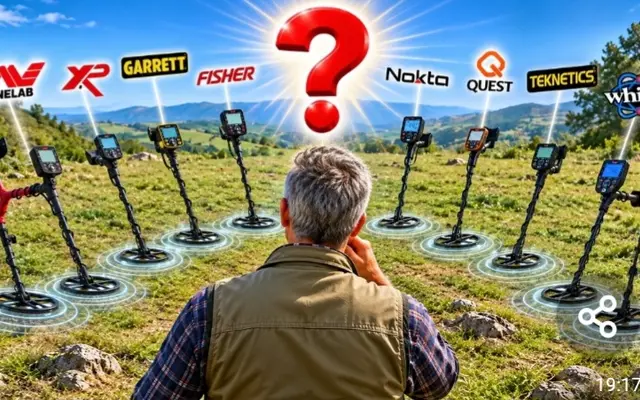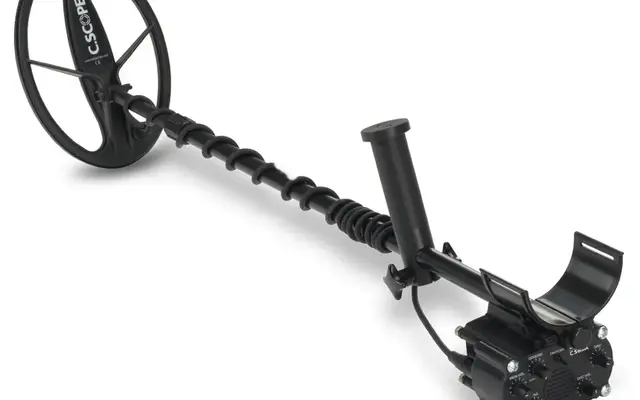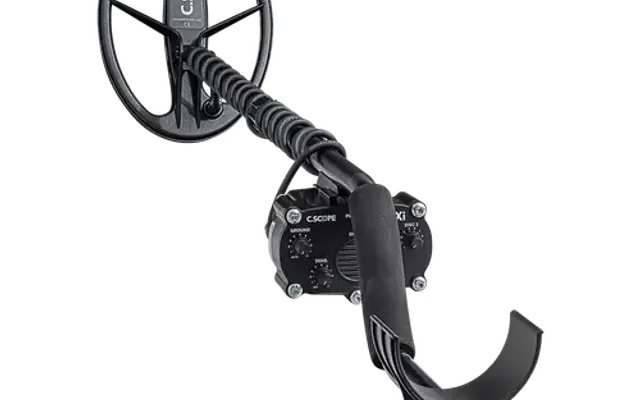
Those approaching metal detecting face a very wide range of options and technical sheets full of unclear terms. A beginner's guide published by the US blog Metal Detecting Life and updated to 2025 tries to bring order by pointing out the features that really matter for those starting from scratch. The basic advice is to choose based on the terrain where you intend to search, rather than being swayed by the number of functions.
The first criterion is simplicity. According to the author, one of the most common mistakes is buying a device with too many advanced settings: you end up spending hours adjusting sensitivity, discrimination and frequency before even starting to search. For a beginner, simple, intuitive controls are preferable, allowing you to focus on searching and to understand how the machine works through field experience.
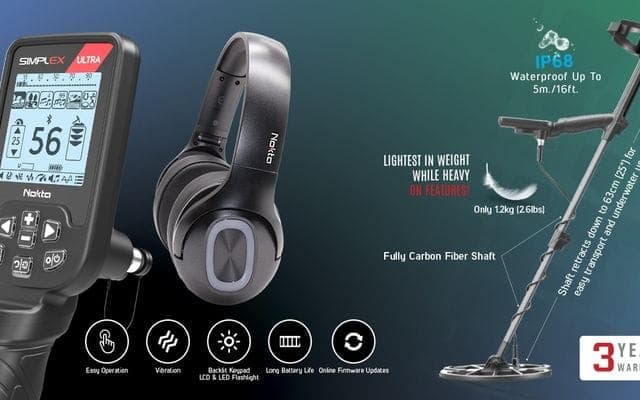
The second criterion is weight, often underestimated by those who have never used a detector. A heavy machine tires you quickly, especially on long outings. The guide indicates a lightweight, ergonomic model, under 3 pounds, or just under 1.4 kilograms, as ideal. The author recounts that his first detector was a Tesoro Silver Umax, at 2.2 pounds, chosen precisely so he could search for long periods without getting tired.
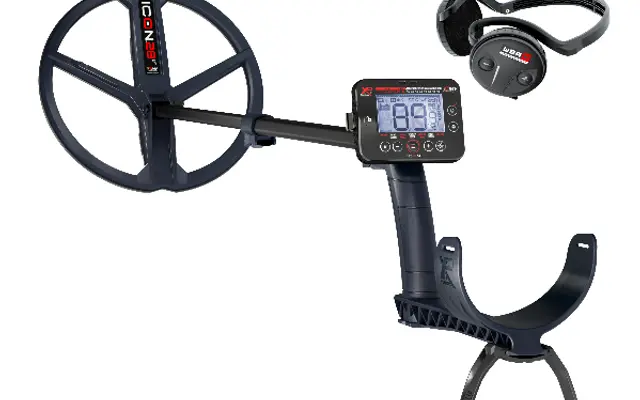
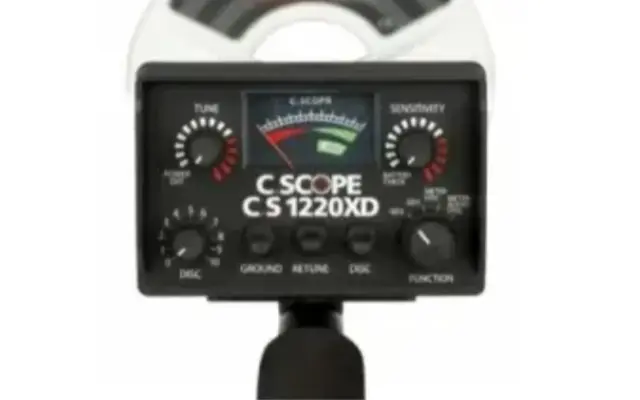
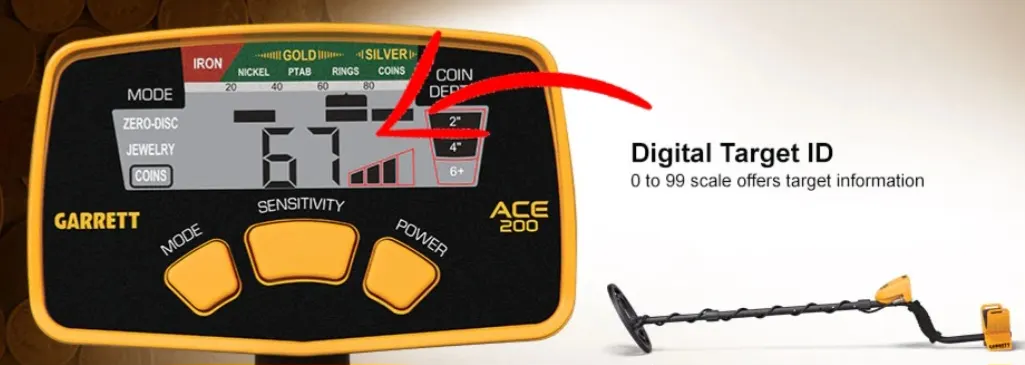
Interface and signal also matter. A good beginner's device should offer clear audio tones and an easy-to-read display that indicates the type of metal detected. Features such as a depth indicator and discrimination help avoid digging up every piece of scrap metal, which is one of the main sources of frustration in early outings.
One point to check carefully is water resistance. Not all detectors are waterproof, and the distinction also concerns the control unit and headphones, not just the search coil. Those who plan to search near or in water should opt for a model with a waterproof coil or a fully waterproof unit. For general use, however, the guide considers a weather-resistant device sufficient.
As for budget, the advice is not to aim for the lowest price. According to the author, some cheap models are little more than toys and struggle to detect anything beyond a few centimeters of depth. For those who intend to take the hobby seriously, the suggested figure for a first purchase ranges from 150 to 300 dollars: below this threshold, the risk is being disappointed by performance. The prices mentioned refer to the US market, so they may differ in Italy.
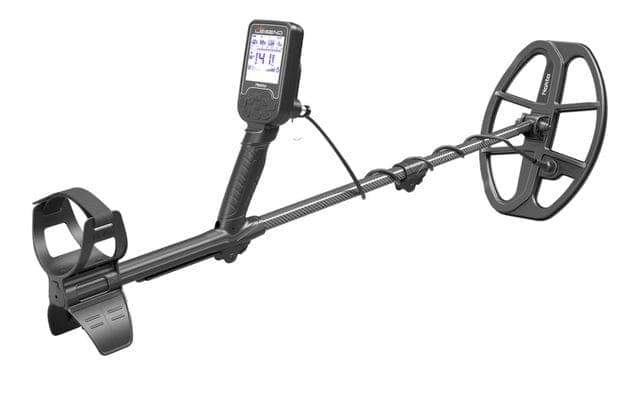
The guide also suggests three references by price range. Under 100 dollars is the GoGonova Kids Metal Detector, indicated for younger users, although the author notes that with a slightly higher spend you can already buy a very good machine for a young enthusiast. Under 200 dollars is the Garrett ACE 200, described as a solid entry-level choice, with decent depth and made by a brand well known in the sector. Under 400 dollars is the Nokta Simplex+, defined as waterproof and feature-rich, suitable for different levels of experience.
Buying used remains an option, which can save money but requires caution. The advice is to check that no parts are missing, test the device before buying when possible, and make sure it has not been heavily used. The author says he found good deals through trusted people in local metal detecting forums.
It should be noted that the original article contains Amazon affiliate links: the author states that he receives a commission on qualifying purchases, with no effect on the price paid by the reader. The model indications reflect his personal experience and do not replace hands-on testing, but the general criteria provide a useful basis for orientation: simplicity, light weight, a clear display, water protection suitable for the search location, and a realistic budget.