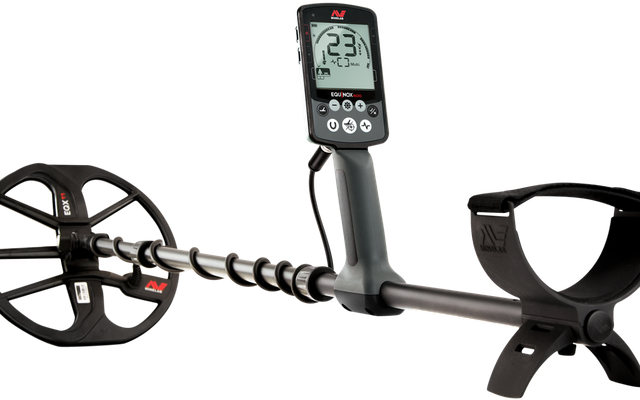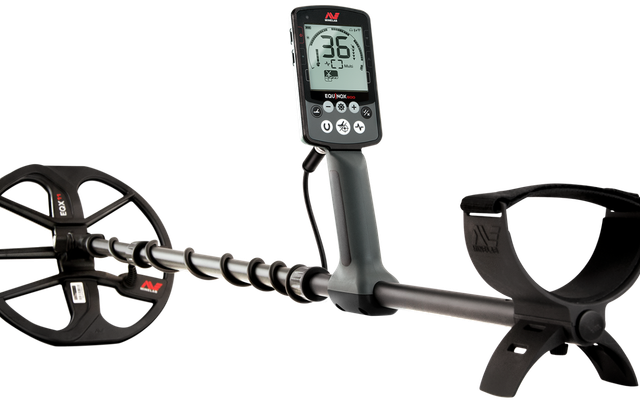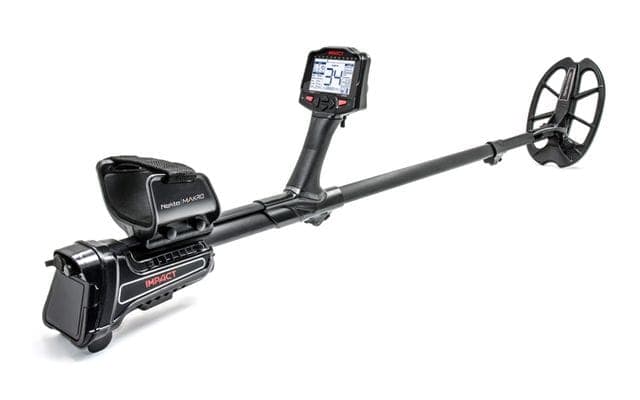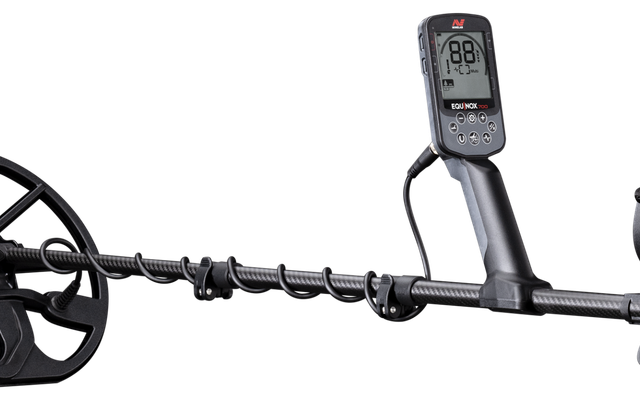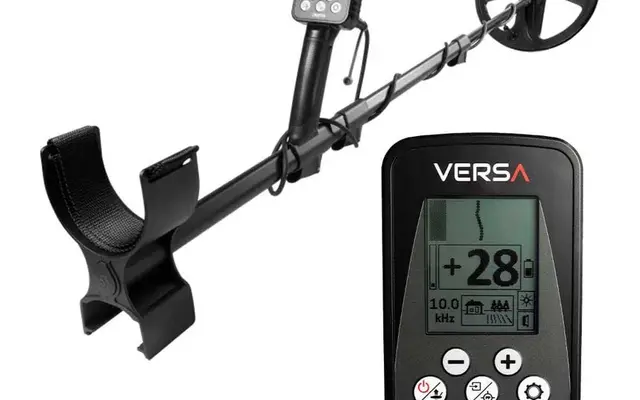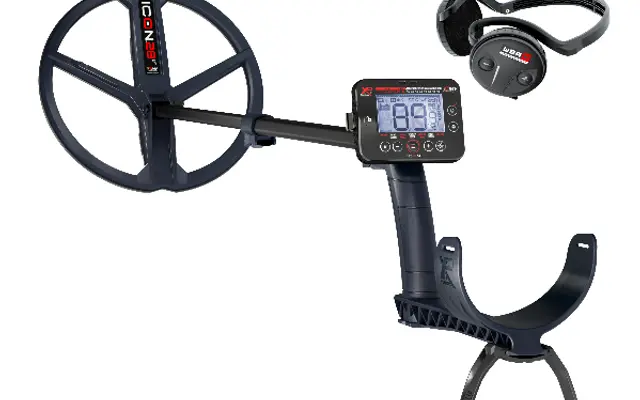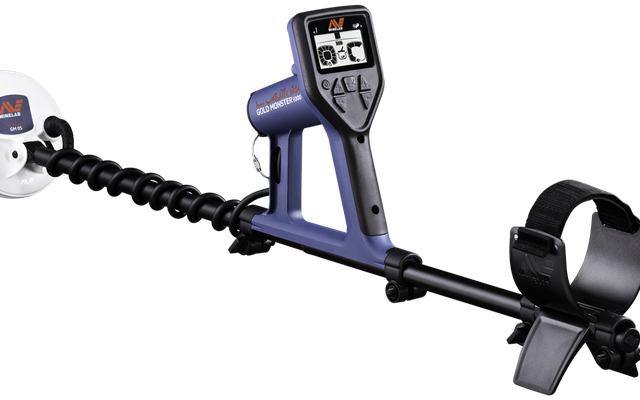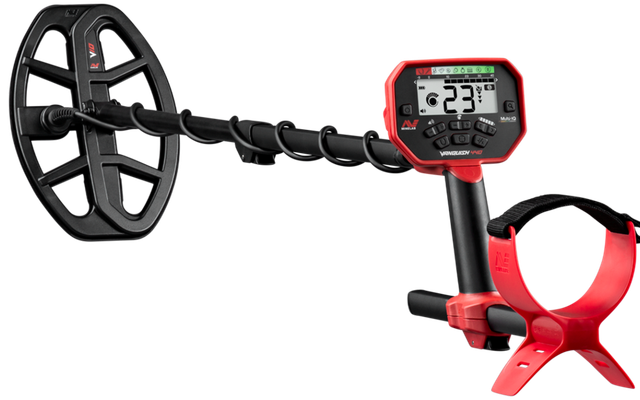
The Minelab X-Terra Pro is a metal detector designed for those looking for a versatile device without spending high-end money. It is based on VLF (Very Low Frequency) technology, the most widespread in surface metal detecting, and focuses on three features: selectable frequencies, lightness and water resistance. The manufacturer and retailers present it as a machine suitable for both beginners and experienced users.
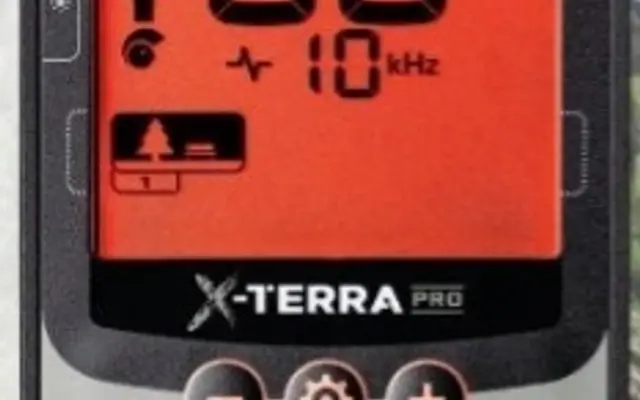
The most relevant feature is the ability to choose among three operating frequencies: 5, 10 and 15 kHz. Generally speaking, the lower frequency, 5 kHz, is suited to larger objects buried deeper. The intermediate frequency, 10 kHz, is the most versatile and suits general use. The 15 kHz setting is instead designed for smaller, more delicate targets. Being able to change frequency makes it possible to adapt the search to the terrain and the type of find, without changing devices.
The detector features a PROformance DD coil measuring 12x9 inches. The DD (double-D) configuration is valued for its wide ground coverage and good sensitivity. According to the technical specifications, it can detect objects of different sizes, both near the surface and deeper. The LCD display is high-resolution and backlit, so it remains readable even in low light. Wireless connectivity is also included, while power comes from a rechargeable lithium battery, which is reported to offer battery life suitable for extended sessions.
From an ergonomic standpoint, the declared weight is just 1.3 kg, an important figure for those who spend many hours in the field, as it reduces arm fatigue. The X-Terra Pro is also waterproof to 5 meters. This makes it usable not only on meadows and farmland, but also on beaches, shorelines, streams and wetlands. Those who search in water should nonetheless keep in mind that the declared maximum depth refers to the machine as a whole and that conditions of use must be assessed case by case.
Providing independent verification is the test published in February 2026 by the German team at OWMO. They tested the device over several weeks across fields, meadows and riverbanks, burying modern coins and larger metal objects at different depths. Overall, the verdict is very positive on ease of use, design, performance and build quality. The menu is described as logical and quick to learn, the display as easy to read even in sunlight, and the preset programs as reliable from the first switch-on, an advantage for those who do not want to get lost in adjustments.
The same testers highlight some useful points for orientation. The telescopic shaft shortens enough to fit into a backpack and is stable when extended. The conductivity reading proved stable even at the edge of its range. On iron-rich soils the results were good, with target separation judged convincing for the price range, even when objects were close together. No sealing problems emerged during tests at the water's edge. The authors believe the detector could have reached greater depth, a sign that there is room for more performance, and that it can be used with satisfaction beyond the initial phase.
From a commercial standpoint, the French source reports a promotional price of 343 euros, compared with a previous list price of 366.53 euros. The model therefore sits in an affordable bracket for a multi-frequency, waterproof device. The users cited by the listing particularly appreciate its simplicity, accuracy and light weight, as well as its ability to search in aquatic environments.
As always, a detector must be used in compliance with the law. The same French source reminds readers that in its country the use of devices for finding metal objects of archaeological or historical interest is subject to restrictions. In Italy too, it is worth checking current regulations and the necessary permits before going out into the field.