Groundtech GR-4 Dual: 3D Ground Scanner and Induction Sensor
The GR-4 Dual combines an MFS gradiometer and pulse induction in a hybrid system: more a survey tool than a classic metal detector.
July 18, 2026
ShareLink copied!
U.S. Air Force photo by Airman 1st Class Sydney Franklin — Public domain, via Wikimedia Commons
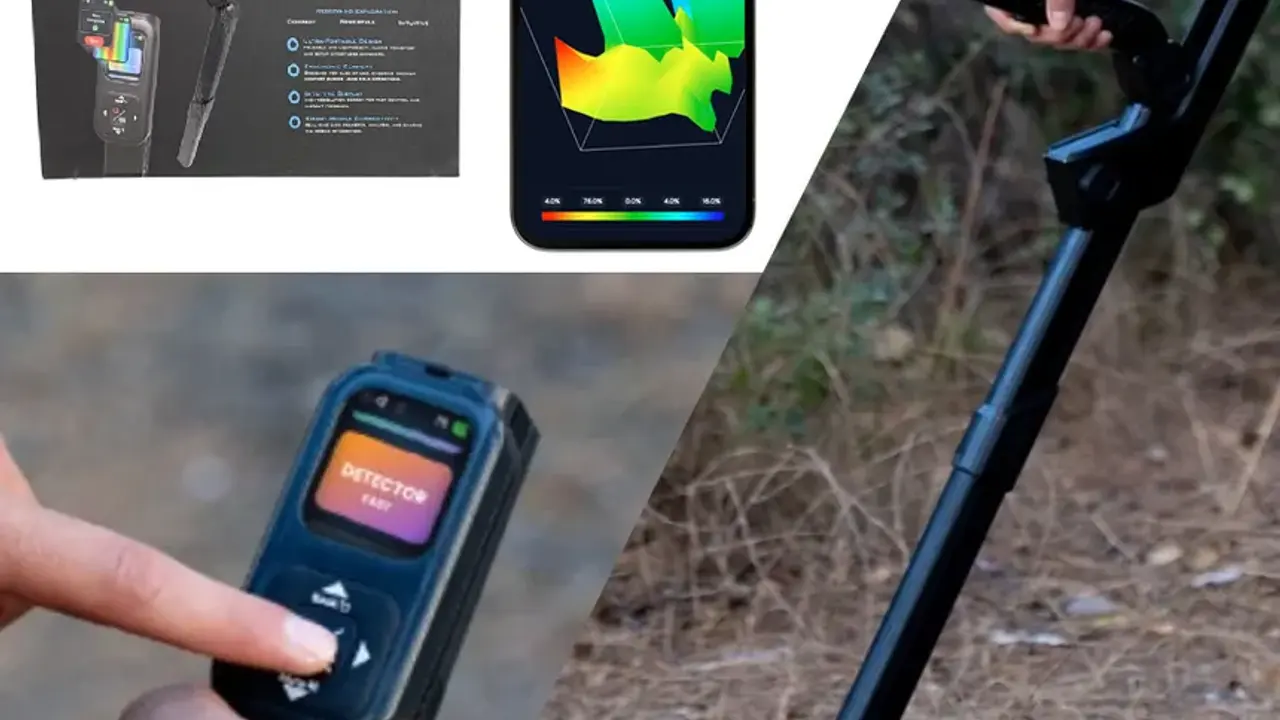
The Groundtech GR-4 Dual occupies a particular space between traditional metal detection and 3D subsurface scanning. It is a hybrid system that brings together two independent technologies: an MFS gradiometer sensor, used for three-dimensional imaging of the ground and for detecting anomalies, and a pulse induction (PI) system intended for the direct location of metallic targets.
The package includes the main unit, a carrying bag, the user manual, a charging adapter, the MFS-2 Dual sensor and the PiD35 search plate. The gradiometer specifies a measurement range of ±2000 µT. The device offers six operating modes, results displayed on board, and real-time 3D analysis via G-Portal, the mobile application available for Android and iOS devices.
The target audience is quite broad: detectorists, historical artifact hunters, archaeologists, geophysicists, construction companies and treasure hunters who want more information before digging. The common goal is to understand the site, identify unusual underground configurations and decide where to concentrate time and effort.
That said, this type of instrument should be approached with realistic expectations. A 3D ground scanner is not an underground camera, and it cannot establish with certainty whether a target is a treasure, a burial, a tunnel, a hiding place or an archaeological structure. Its value depends on the quality of the scan, soil conditions, the type of target, the operator's technique and, above all, the interpretation of the collected data.
The clearest way to frame the GR-4 Dual is as a two-technology platform. The MFS gradiometer serves for reconnaissance, 3D scanning and anomaly screening; the PI sensor, meanwhile, can be used independently to locate individual metallic targets. The device proves most useful when the search problem is spatial, that is, when the question is “what is under this area?” rather than “is there a coin under my plate?” In this sense, it can help reduce guesswork and direct attention toward the areas that really matter.
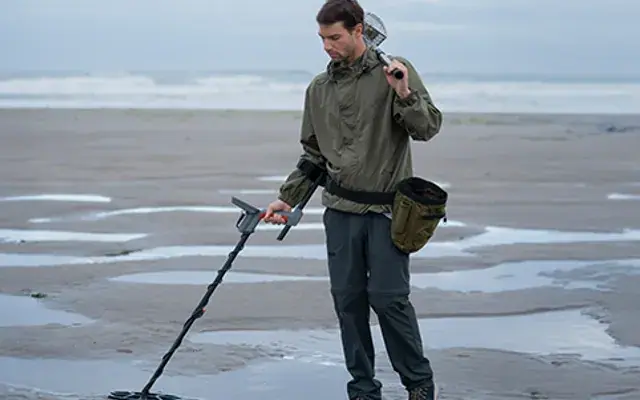
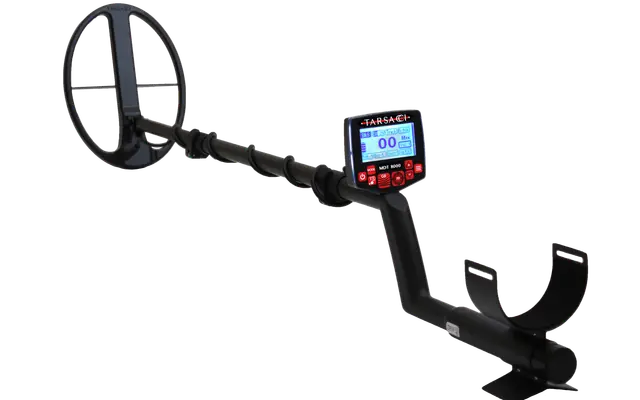
The difference from a conventional metal detector is substantial. A VLF or pulse induction detector is designed to locate metallic targets and provide immediate feedback through tones, target ID, signal strength and coil response: the detectorist sweeps the ground, listens, evaluates and decides whether to dig. The GR-4 Dual, by contrast, relies on 3D scanning, anomaly detection, visualization via G-Portal and interpretation of the scans. For this reason, it is more a tool for screening the site and underground anomalies than a metal detector in the strict sense.
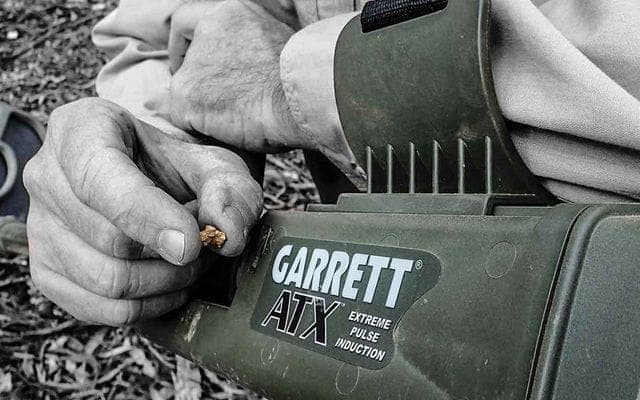
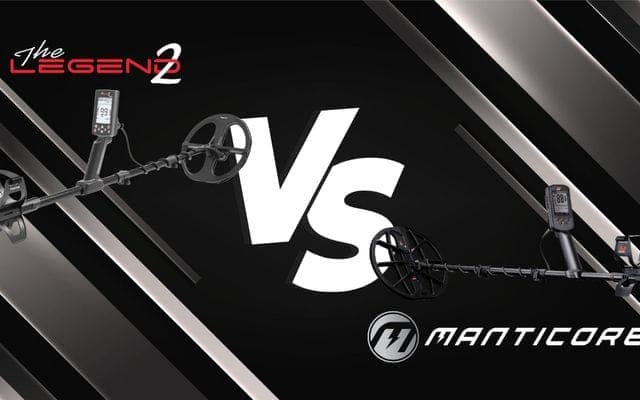
It follows that it does not replace a good detector. If the goal is to recover coins, jewelry, artifacts, buttons, buckles or small non-ferrous targets one at a time, a proven metal detector remains the most direct tool. Among machines designed for recovery, the source cites the Minelab Manticore, XP Deus II, Nokta Legend, Garrett Axiom, the GPX series and models from the Equinox family.
In short, the GR-4 Dual is aimed at those who want to pair targeted searching with a phase of ground reading. As with any scanner of this kind, the result depends on the experience of the person using it: the anomalies identified are clues to be verified, not definitive answers.
ADV
The AI assistant for metal detecting
Custom programs, restricted-area checks, ground recognition and much more.Try it free →Get the app