Minelab GPZ 8000: New Nuggets from Previously Worked Ground
Early GPZ 8000 users report gold recovered in areas already searched, including with earlier Minelab detectors.
July 22, 2026
ShareLink copied!
Immagine ufficiale Minelab Blog
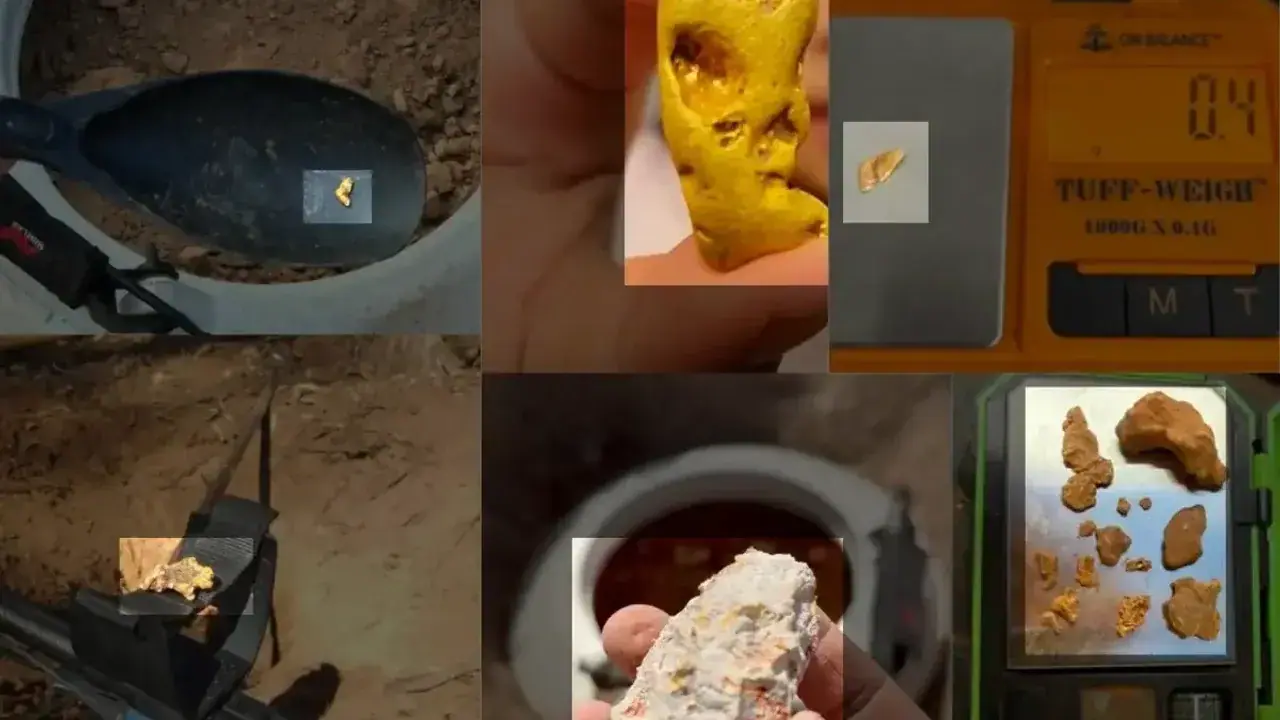
Minelab presents the GPZ 8000 as the new evolution of the GPZ series, the flagship line dedicated to gold prospecting with metal detectors. Testimonials collected by Minelab on its own blog describe a recurring scenario: prospectors returning to ground they have already worked, sometimes several times, and still recovering gold. The finds are nuggets, specimens and fragments of various sizes, in areas that many considered exhausted.
The stories come mainly from Australia, where several users describe deep nuggets, gold missed in earlier searches and areas that are producing again. Chris Staggard says that after just two weeks of use the detector had already "more than paid for itself," thanks to several nuggets recovered in ground searched in the past. He later reported a 73-gram nugget found at knee depth, commenting that the GPZ 8000 "still delivers." According to the source, what surprised many was not only the size of the finds but, above all, where they were made.
Another aspect concerns difficult search conditions. Elizabeth Pickthall, who posts as @liluprospecting, described recovering a 2-gram nugget in ground that was "simply too noisy for other machines," working with the GPZ 8000 in conditions of strong ground conductivity. This detail matters for gold hunters: highly conductive or heavily mineralized soils produce noise signals that can mask small or deep targets. For this reason, a machine's ability to handle the ground is one of the main criteria by which a high-end detector is judged.
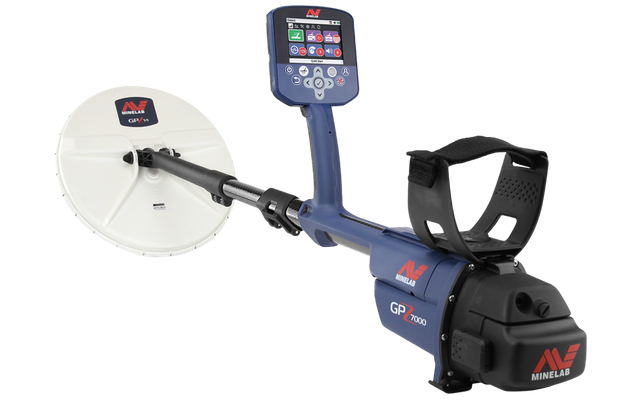
Other operators report returning to areas that had already yielded well with earlier Minelab detectors and still finding more gold. One prospector explains that he had worked an area successfully with a GPX 6000 and then re-examined it with the GPZ 8000, immediately recovering further nuggets and specimens, including pieces he had missed only a few days earlier. In essence, switching from one model to the other appears to have brought up gold that the previous machine had not signaled on that ground.
The message common to these accounts, also reported by the same source, is simple: learn the machine, trust the method and wait for results. Pickthall sums it up by describing finds that "remind you why you go back to square one to master new technology." The logic is that of the experienced prospector: every new tool requires a learning period before it shows what it can deliver.
Some clarifications are necessary. The information comes from the manufacturer's blog and is based on personal testimonials, not on independent comparative tests. There is therefore no data to establish how much more the GPZ 8000 yields than other models under identical conditions. Minelab's own text specifies that the GPZ 8000 does not promise nuggets that will fund a retirement; it speaks instead of what can happen when advanced technology meets persistence, patience and ground that still has gold to give back.
For gold prospecting enthusiasts, the underlying theme remains the idea of "played-out" ground. Each generation of detectors changes, at least in part, what can be considered exhausted, and areas already worked become interesting again. For those following the sector, the GPZ 8000 therefore sits within the evolution of Minelab's gold detectors, with the first field results that the market will be watching in the coming months.
ADV
The AI assistant for metal detecting
Custom programs, restricted-area checks, ground recognition and much more.Try it free →Get the app