In metal detecting, attention almost always goes to the detector: coil, discrimination, ground balance. Yet once the signal is found, it is the digging tool that brings the object to the surface. A specialist British shop, Regton, has devoted an article to the subject on its blog, recalling a question it receives often: which is the best tool? The answer, it explains, depends on several factors.
The factors listed are three: ground conditions, the place where you search and the type of hunting you do. There is therefore no universal tool. Someone working on compacted soil and someone searching a beach have different needs, and the same goes for those hunting in a wood or on a pasture.
The starting point is function. A good digging tool must allow targets to be recovered quickly, neatly and responsibly. As the source notes, using the right tool helps minimise disturbance to the ground, an aspect that every careful hunter should prioritise, whatever the environment: pasture, woodland or beach.
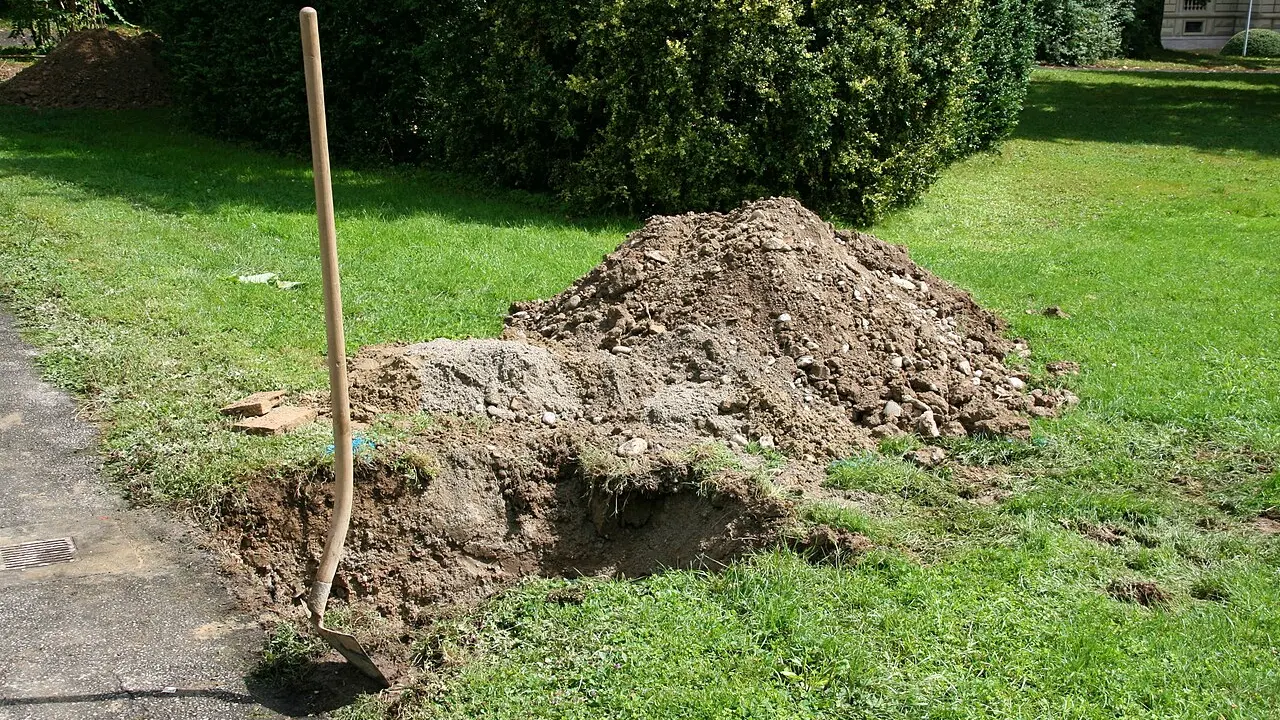
This ties in with a practice well established in the community: clean recovery. Cutting a clean plug (in English, 'plug') that can be closed and put back in place without leaving obvious marks makes it easier to respect the ground. An unsuitable tool, by contrast, tends to produce irregular holes, waste time and make restoration more difficult.
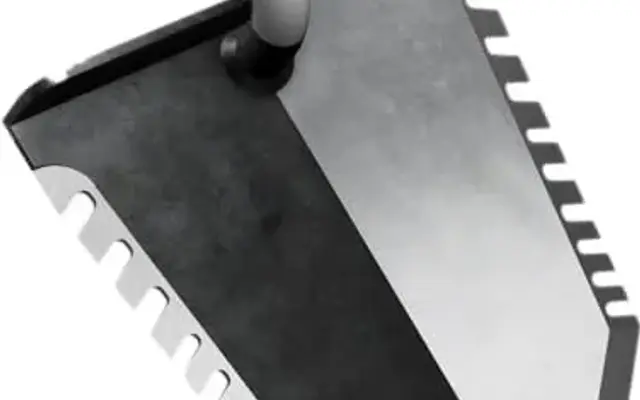
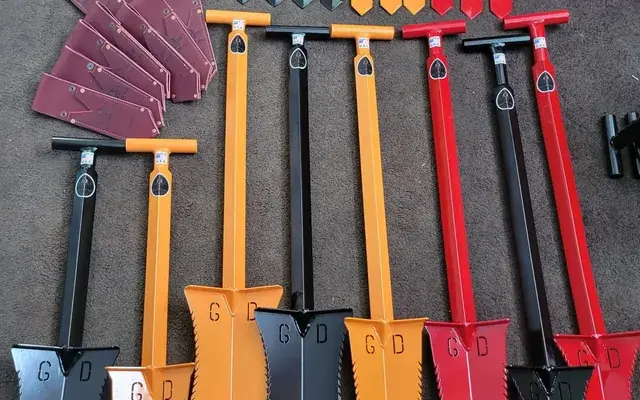
Among the products mentioned by the shop is the spade that it describes as its best seller. It is described as robust, with a sharp edge and designed to obtain clean plugs in fields and pastures. The long handle offers greater leverage, an advantage for those who use it regularly. The available sources do not provide other details, such as model, price, materials or dimensions, so it is not possible to go into more depth beyond the technical features.
The overall picture is useful above all for those approaching the hobby. The initial investment is often concentrated on the detector, while the digging tool is chosen at the last minute. The shop's reflection, however, invites readers to consider it an integral part of the equipment, to be evaluated according to the conditions in which they will search most often.
In practice, before buying, it is worth asking yourself where you will search and how often. A long-handled, sharp and sturdy tool suits those working on fields and pastures well; for other settings, such as the beach or woodland, the choice may be different. On this point the Regton article remains general, but the principle is clear: the right tool makes recovery more efficient and the impact on the environment more limited.
The rules on searching and the regulations of the place where you work always remain valid: the right tool helps you work better, but it does not replace the necessary permits.