Manticore or Tarsacci in Highly Mineralized Ground? The Debate
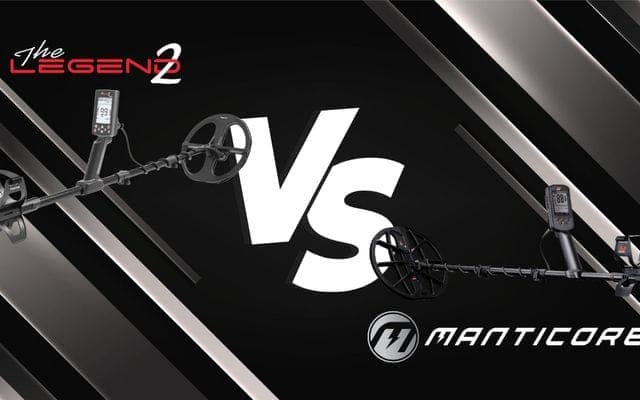
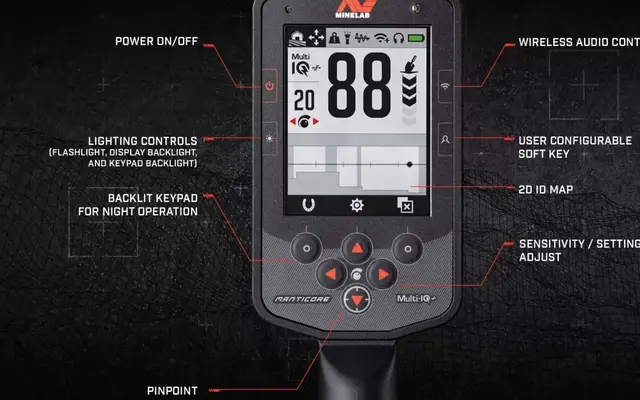
On a US technical forum, a user asks which between the Minelab Manticore and the new Tarsacci performs better in highly mineralized red dirt.
October 19, 2026
ShareLink copied!
tarsacci
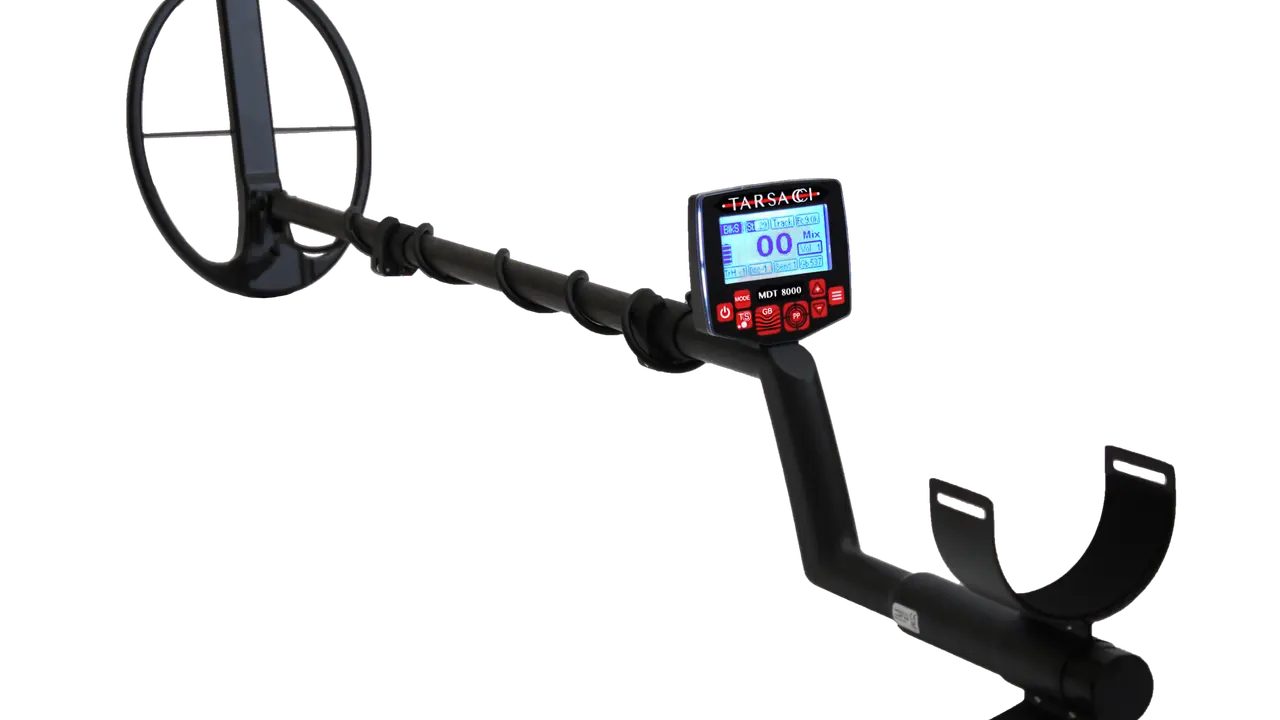
On a US technical forum dedicated to metal detecting, the Dankowski Detectors Forum, a question has appeared that many detectorists ask before buying: in highly mineralized ground, which machine offers the best performance, the Manticore or the new Tarsacci? It was posed by a user who signs as Pedlar mills, in a message published on October 19, 2026.
The context described is precise. The user talks about “red dirt,” mineral-rich red soil, and indicates mineralization levels of 4 and 5 bars on a T2. The reference to the T2 serves as a benchmark: it is the detector with which the author has already measured the ground where they work. No other details are provided about the location or the type of search.
The author of the message writes that they have read a lot of information about the Manticore, while they have found little about the Tarsacci. This is an interesting fact in itself: the most recent model does not yet have a consolidated body of field evidence, comparative tests, or user testimonials. Anyone who has to choose is therefore comparing a heavily documented machine with one about which little is still known.
The request also stems from a financial constraint. The user explains that they are still saving money to buy a new detector and is curious to understand which choice is best. It is a common situation: an important purchase is planned in advance and, in the meantime, opinions and data are gathered from those who have already used the models in real conditions.
From a technical standpoint, the question centers on a theme well known to those who search difficult soils. In heavily mineralized ground, the machine’s ability to manage ground balance and maintain stability and depth often makes the difference. The ground signal can mask small or deep targets and make discrimination less reliable. For this reason, behavior in red dirt is a decisive selection criterion, more so than the characteristics declared in the catalog.
At the time of retrieval, the thread shows two replies and about 996 views. The replies are not reported in the source, so it is not possible to indicate which model was recommended or on what grounds. The number of views, however, shows a concrete interest from the community in the comparison, especially for the Tarsacci, which remains the less known of the two.
For Italian readers, the case offers a practical lesson. Before choosing a detector, it is advisable to measure the mineralization of your own ground, for example with a machine already in use, and to look for feedback from people who work in similar conditions. Technical specifications and reviews alone are not enough. Moreover, when a model has just been released, it is prudent to wait for independent tests and extended field trials before deciding.
The underlying question remains open, at least for now: without verified comparative data, it is impossible to establish which of the two detectors performs better in red dirt at 4-5 bars. The forum discussion is a good starting point for following new direct experiences, which will be more useful than any judgment based solely on technical sheets.
ADV
The AI assistant for metal detecting
Custom programs, restricted-area checks, ground recognition and much more.Try it free →Get the app