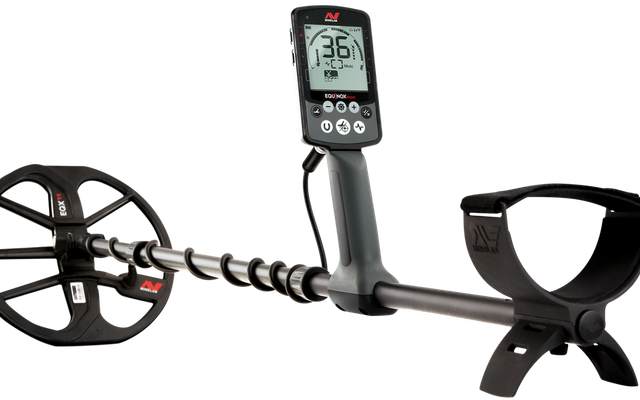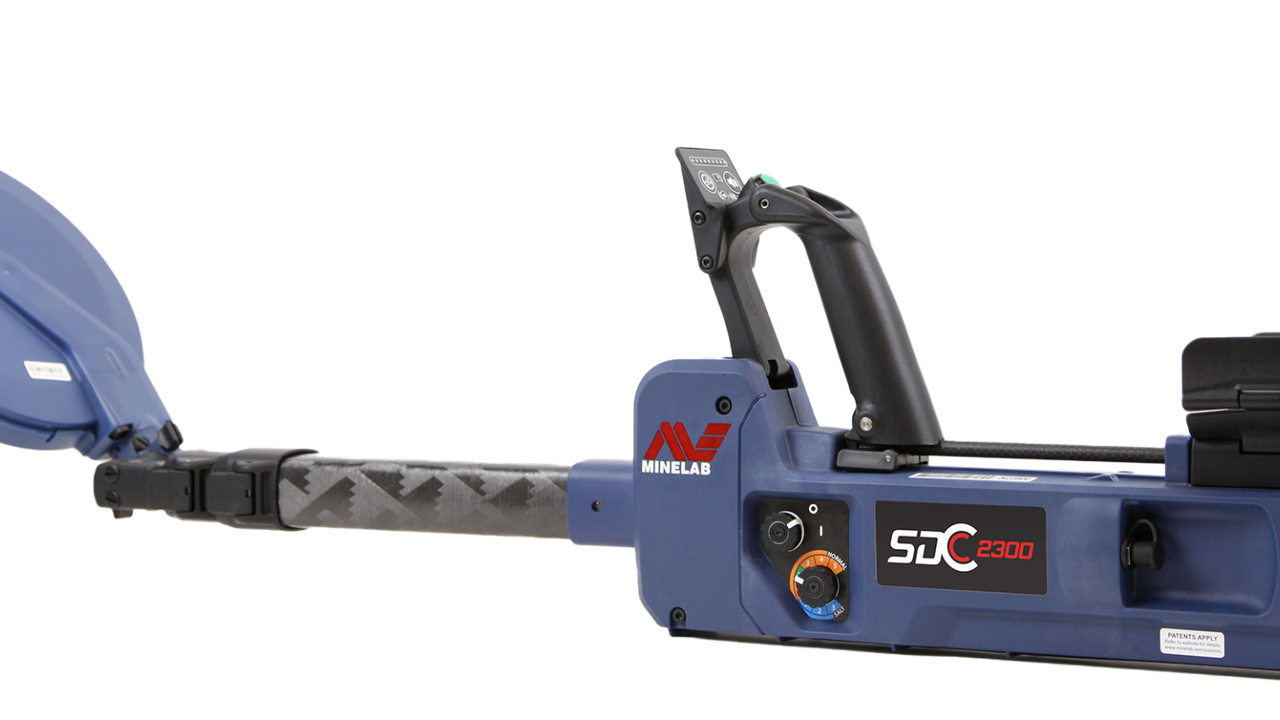
The Minelab SDC 2300 is a compact, folding metal detector designed specifically for hunting native gold. It sits at the top end of specialised gold-prospecting equipment and targets both experienced users and those who want a tool that requires few adjustments. In France, one retailer offers it at 3,598 euros, a figure that gives an idea of the model's commercial positioning.
At the heart of the device is MPF technology, short for Multi Period Fast. It is a system designed to detect small targets, such as tiny nuggets, even in heavily mineralised soils, that is, ground where the presence of minerals disrupts the signal and makes it harder to read. According to the manufacturer's description, as reported by the retailer, the detector returns clear and precise signals even in these complex environments.
One of the most notable features is its fully automatic operation. The SDC 2300 adjusts sensitivity and settings on its own in real time, sparing the user from handling parameters that other detectors, such as those requiring ground balance, need careful attention and practice to set. For this reason it is described as suitable for beginners, while still offering advanced performance to more experienced users. LED indicators make it possible to follow signals and alerts even in low-light conditions.
The search coil is a waterproof Monoloop 8. Its compact dimensions make it easy to handle in tight spaces and cluttered areas, where a larger coil would struggle to move. This is a choice consistent with hunting small nuggets, which are often hidden among rocks, roots or vegetation.
In terms of construction, the SDC 2300 is stated to be dust-resistant and fully submersible to 3 metres. This makes it usable in wet or underwater environments, such as riverbeds or beaches, where gold hunting is often carried out with the equipment submerged. The folding design makes transport and storage easier, while once assembled the device offers, according to the source, sufficient stability and ergonomics for extended sessions.
The stated weight is 2.4 kg, a modest figure that helps reduce fatigue during long outings, especially on rough terrain. The weight distribution is also described as well balanced, an important aspect when sweeping the ground for hours with repeated movements.
For power, the detector uses a rechargeable NiMH battery which, according to the description, offers adequate runtime for extended sessions. It is also compatible with C-size batteries, a useful option in remote locations where recharging is not possible and it is wise to carry easily available spares.
Overall, the SDC 2300 presents itself as a specialist tool: it is not a general-purpose detector, but a device dedicated to those who search for gold in demanding conditions, with a set-up that favours ease of use and robustness. Its high price, which the retailer justifies in terms of performance, durability and ease of use, targets a motivated audience for whom the ability to operate in water and on mineralised soil is a concrete advantage.
As always, before using any metal detector, it is advisable to check the regulations in force in your country and in the area where you intend to operate. Rules on the use of metal detecting equipment and on prospecting vary from place to place and must be respected, even when the sole aim is to search for natural gold.