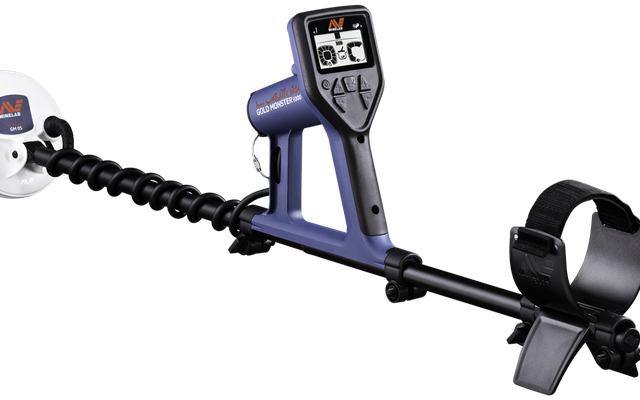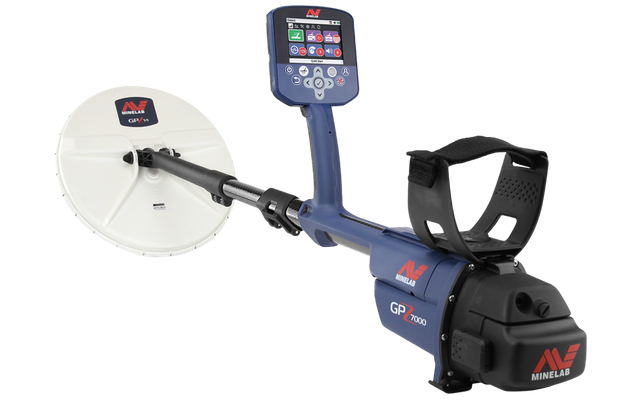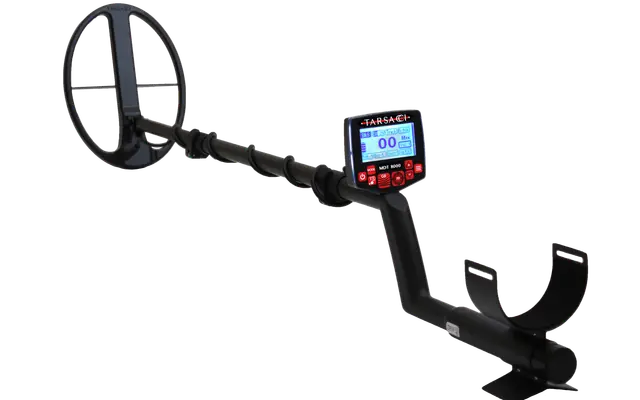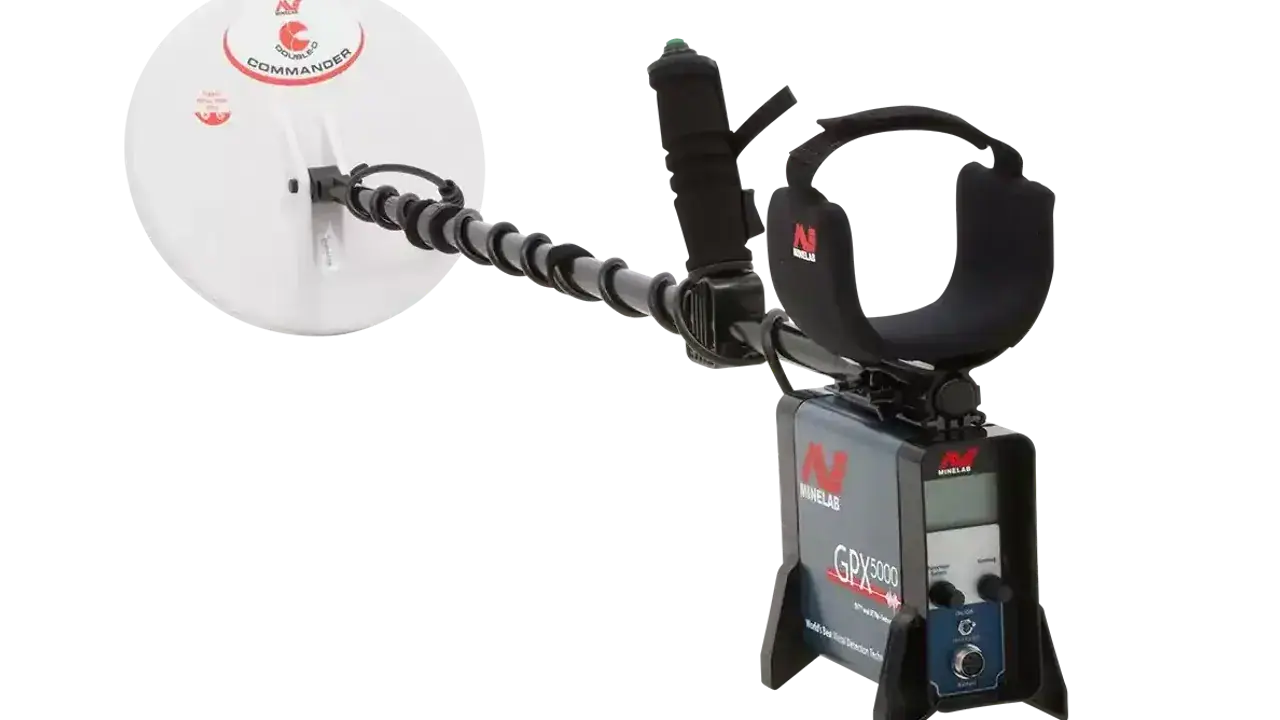
The Minelab GPX 5000 is a high-end metal detector designed for native gold hunters and for professional or otherwise highly demanding use. French retailer France Detection lists it at a recommended retail price of 3,998 euros, a figure that places it firmly in the premium segment and aims it at experienced users rather than newcomers to the hobby.
The core of the offering is a set of three technologies. MPS (Multi Period Sensing) is described as the system that improves detection of buried targets. DVT (Dual Voltage Technology) works on the depth and stability of the machine. SETA (Smart Electronic Timing Alignment) is meant to reduce interference, keeping detection reliable even in difficult conditions. The claimed result is high sensitivity even on heavily mineralized soils, one of the long-standing enemies of anyone hunting flakes and small nuggets.
To adapt to different situations, the GPX 5000 offers six preset detection modes. Its range of use runs from searching for native gold to hunting coins and relics, which makes it more versatile than its specialization might suggest. Sensitivity is adjustable: the user can look for tiny nuggets in heavily mineralized ground or for relics in cleaner areas, tuning the machine to the context.
The package includes two search coils: a Double-D and a Mono, the latter listed in the spec sheet as 11 inches. Having two different geometries makes it possible to tackle varied terrain without immediately buying additional accessories. The coils are splash-resistant and suit slightly damp environments, but the unit as a whole is not fully waterproof: a limitation to keep in mind before entering water or working in heavy rain.
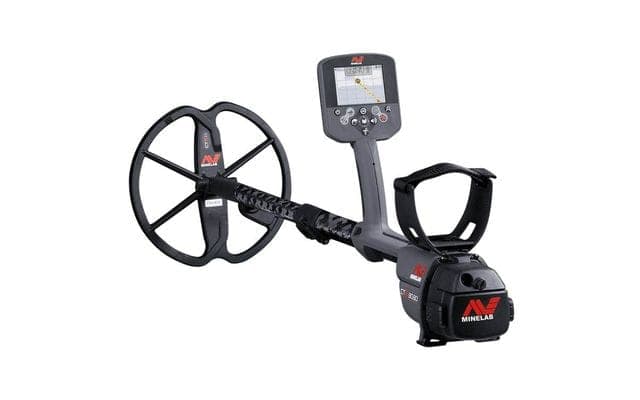
In terms of ergonomics, the GPX 5000 weighs 2.4 kg. To reduce fatigue during long sessions, it comes with an ergonomic handgrip and a transport harness, included in the package. The LCD screen is described as clear and intuitive, with easy access to settings, a feature that should make the detector manageable even for those with less experience with machines at this level. It is powered by a rechargeable lithium battery, which provides sufficient runtime for extended outings.
As for positioning, the spec sheet presents it as a detector for serious and professional users, with a price that reflects the quality of its technologies and its ability to pick up targets that other devices might miss. Among users, according to reports, the precision in finding native gold and the ability to handle difficult working conditions are particularly appreciated.
The most frequently cited weak point is its weight: for some it can be a drawback, although the spec sheet maintains that its robustness and performance more than offset this. This is a judgment to be read with caution, since tolerance for weight depends largely on how long outings last and on the build of the person detecting.
In short, the Minelab GPX 5000 is a specialist machine, most worthwhile for those who dedicate themselves consistently to hunting gold in mineralized ground, and it can justify an investment close to 4,000 euros. For general use on coins and relics in less demanding ground, cheaper alternatives exist, but anyone looking for a single instrument with preset modes and two coils included will find a complete offering in this model. The information reported comes from the retailer's spec sheet and should be verified against the manufacturer's official specifications before purchase.