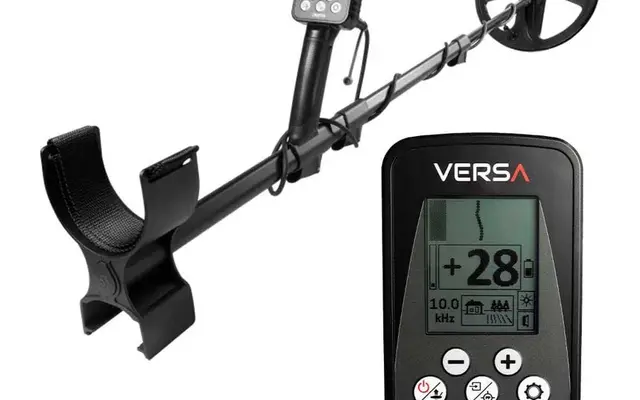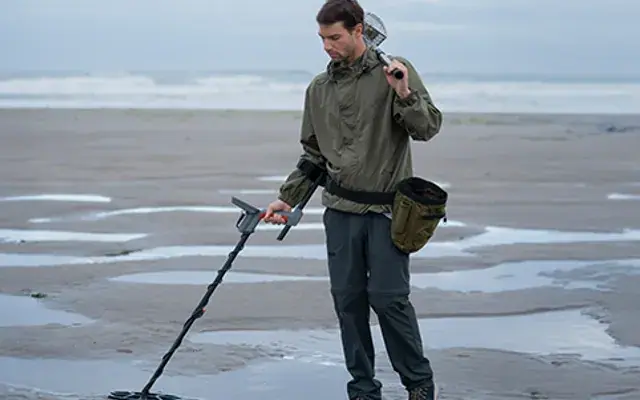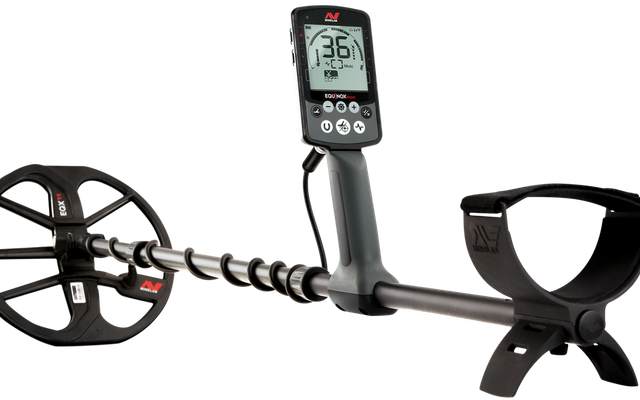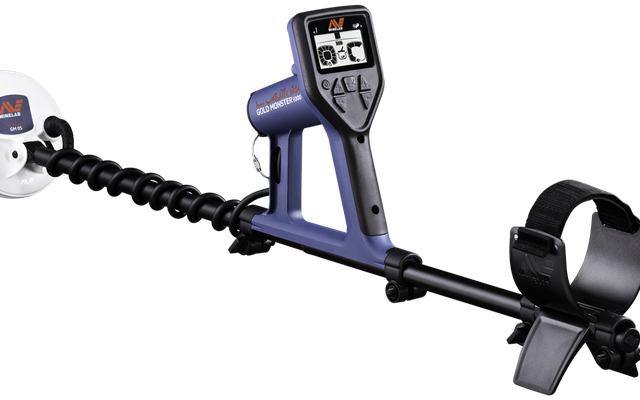
Metal detecting has become a pastime that combines relaxation, learning and exploring the stories hidden beneath the surface. Beginners usually look for a simple, stable tool. With experience, however, comes the desire for more control and more ways to refine the search. It is on this progression that Minelab builds its comparison between two machines from the X-TERRA family: the VOYAGER, designed for beginners, and the ELITE, aimed at those who want to take a step forward.
The X-TERRA VOYAGER is described as a detector for those new to the hobby. It keeps things straightforward, so that attention stays on learning to read signals, understanding the ground and enjoying the outing. Settings are easy to manage and performance is reliable, elements that help beginners build confidence with every outing.
According to Minelab, the moment to upgrade arrives naturally. Once the basics are clear, many enthusiasts start looking for tools to dig deeper into specific targets and adapt to different soil conditions. This is where the X-TERRA ELITE comes into play.
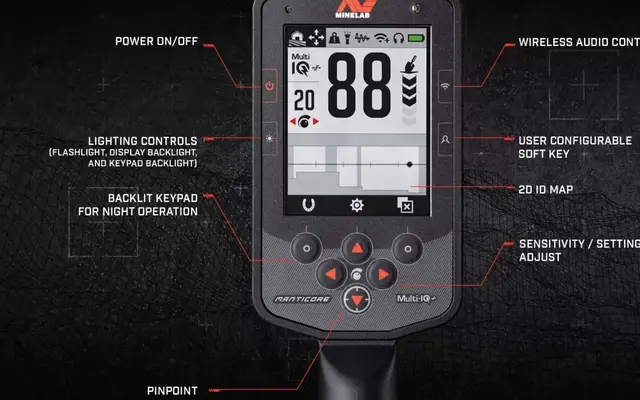
The ELITE is proposed to those who want more control and more power, whether they already have experience or have moved past the initial phase and want to shape the detector around their own search style. The heart of the offer is Multi-IQ® technology: according to the manufacturer, it makes target information clearer, increases performance at depth and makes the whole experience more responsive.
In practice, the ELITE allows users to adjust the audio, choose search modes suited to the terrain and calibrate sensitivity. These adjustments, Minelab explains, are precisely what make it possible to identify targets that a simpler detector might miss. For those who started with the VOYAGER, the machine is presented as the natural evolution for further developing their skills.
To support the message, the manufacturer cites two user experiences. The first is that of Olly Wilkins, who documented a series of finds with the X-TERRA ELITE. Among them were a hammered silver half groat of Charles I, dating between 1625 and 1649, a Roman bronze key with rich patina, and a Roman sestertius of Antoninus Pius, from the period 138–161 AD. The sestertius gave a clear discrimination signal of 78 and was the highlight of the day. Wilkins said the ELITE “hasn't missed a beat all day,” demonstrating how it handles different targets across varied terrain.
The second story is that of Jason Oram, who returned to detecting after a thirty-year break. To get started again, he chose the X-TERRA ELITE and, on his fourth outing, recovered a gold aureus while exploring a farm field in Hampshire. The Minelab text from which this information is taken breaks off before giving his full words about the moment of the find, so we limit ourselves to the documented facts.
It should be remembered that the sources are materials published by the manufacturer itself, and that results for individual finds depend on many factors: the ground, the choice of site, experience and the time spent searching. The episodes cited nonetheless illustrate well the central message of Minelab's communication: the VOYAGER supports the first steps, while the ELITE offers room for customization for those who want to grow.
For those approaching metal detecting now, the picture is that of a range designed in steps. You start with an intuitive tool to learn to recognize signals and understand the ground, then move to a more configurable machine when your needs become more precise. Before deciding, it is worth honestly assessing your own level and the type of sites you plan to search, while also respecting local regulations on detecting.