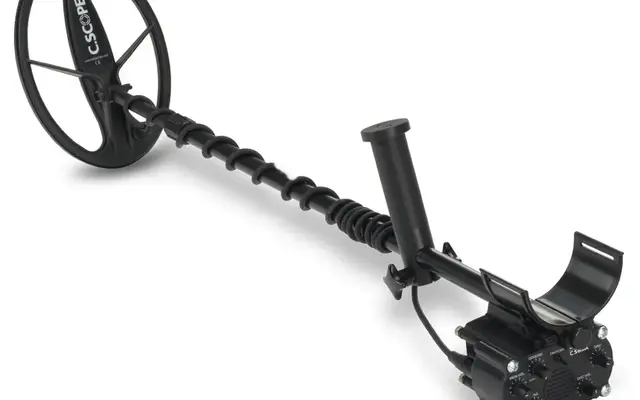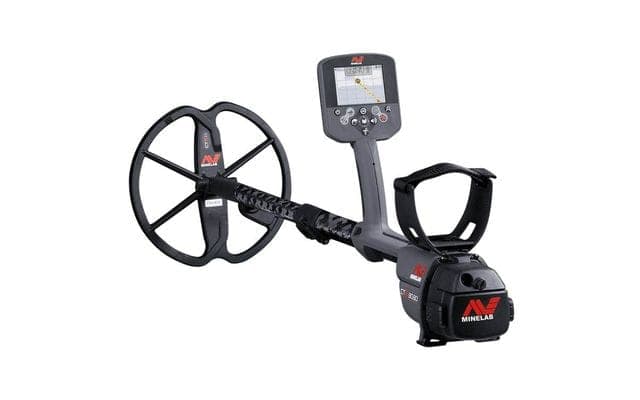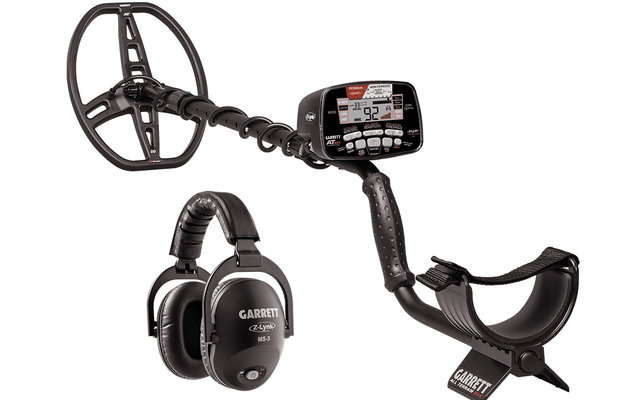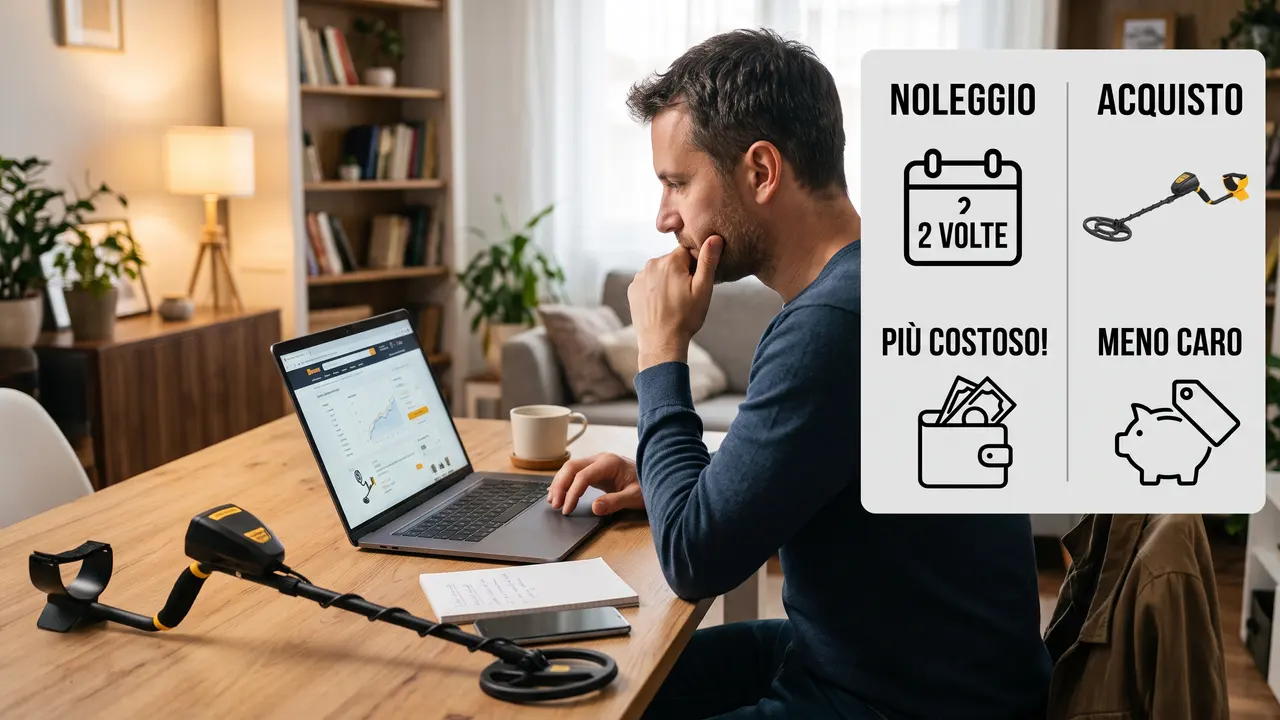
Anyone wondering whether to rent a metal detector is usually asking something else: is it worth owning one? Renting works like a no-strings trial, and the instinct is understandable. According to the analysis by U.S. retailer Serious Detecting, however, the point at which buying costs less arrives sooner than you might think. For many people, an entry-level model costs less than two rentals.
It's worth saying up front that the comparison only applies to people who can rent. Detector rentals are almost always a local service, with pickup and return in person. Serious Detecting's, for example, is available in Washtenaw County, Michigan, on weekdays during business hours, and requires renters to be of legal age. Shipping a machine there and back for a weekend, deposit included, costs more than the service itself. If no rental shop is within driving distance, the real choice is between buying a budget model and not hunting at all.
For those who can choose, the starting numbers are these. Renting costs $25 a day for the detector alone, plus $5 a day for each accessory. A typical weekend in a garden or park includes a detector, a pinpointer and a digging trowel: $35 a day, so $70 for two days. The pinpointer is not a convenience extra. Recovering a coin seventeen centimeters deep without one is, in the author's words, the fastest way to lose interest in the hobby. Whether you rent or buy, it's worth putting it in the budget.
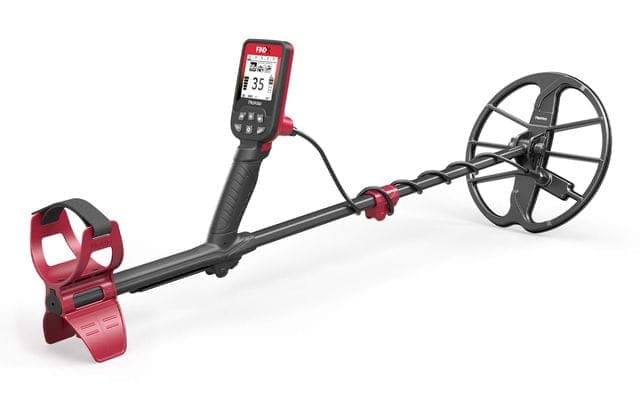
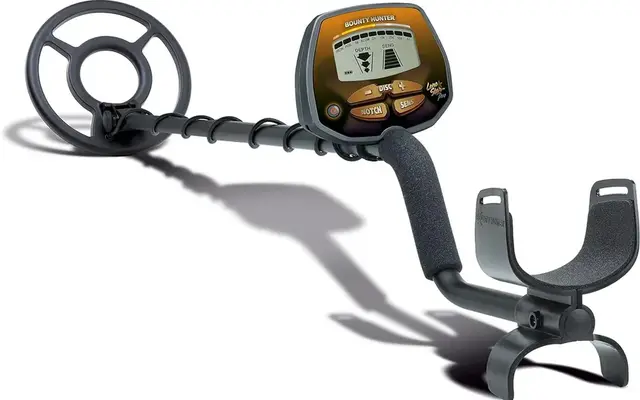
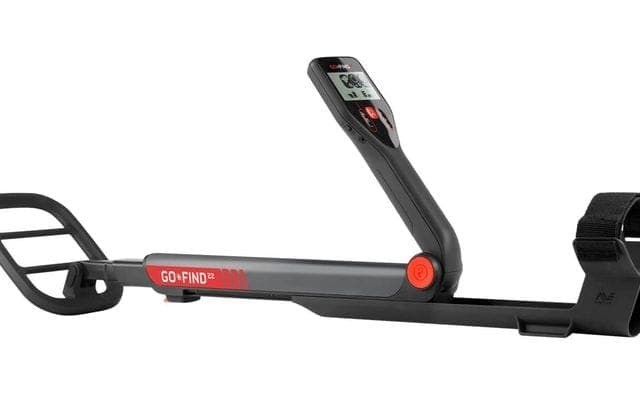
On the buying side, the source cites its own selection of detectors under $200, all name-brand and under warranty. Moving up the price range, there are also open-box and demo models, meaning controlled returns and display units rather than used machines sold by private individuals: a Nokta Simplex LITE at $224.10, a Minelab X-TERRA PRO at $248 and a Garrett ACE 300 at $242.96. The Vanquish 340, listed at $199 new, is offered open-box at $179.10.
The break-even calculation is simple: divide the purchase price by the daily rental rate. For entry-level models, the result ranges from four to eight days of rental. In practice, two long weekends with a rental machine already equal the cost of a detector. There is, however, a caveat on the other side. The rental rate includes accessories that would otherwise have to be bought. A complete kit from day one, with a $199 detector, a $120 pinpointer, a $50 trowel and a $30 finds pouch, comes to about $400. Compared with the full $35-a-day rental, the break-even rises to about eleven days. Which of the two numbers matters depends on the goal: equipping yourself for a hobby, or solving a specific problem over a weekend.
Then there's the question of residual value. Rental money is spent the moment the machine is returned, while part of the purchase price can be recovered. According to the source, a used detector in good condition from Minelab, Nokta, Garrett, XP or Fisher resells for between half and two-thirds of the price paid, and the closer to new, the better. The open-box Vanquish 340 shows this too, costing only $19.90 less than the new one.
The example given is clear. You buy a Vanquish 340 for $199, use it for one season, decide the hobby isn't for you and resell it for around $120. The real cost of ownership is about $79, equal to three days of rental, with the difference that the machine was available for months rather than a single weekend.
It should be remembered that this is one retailer's analysis, with prices in dollars and referring to the U.S. market. For Italian readers, the value lies mainly in the method: compare the purchase price with the daily rental rate, factor in accessories, and estimate resale value. With these three elements, it quickly becomes clear which way the scales tip.