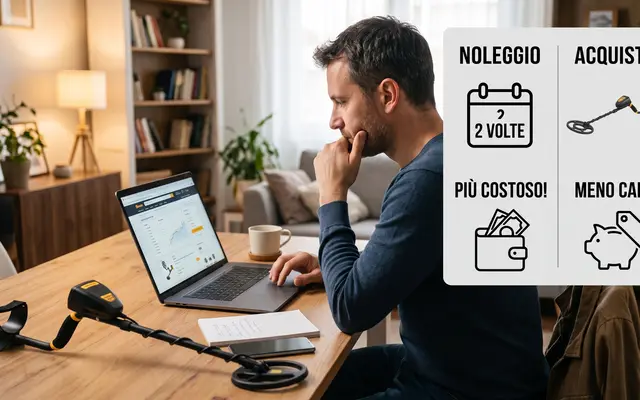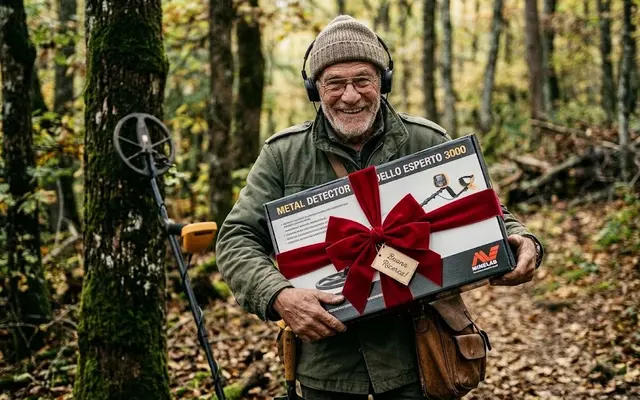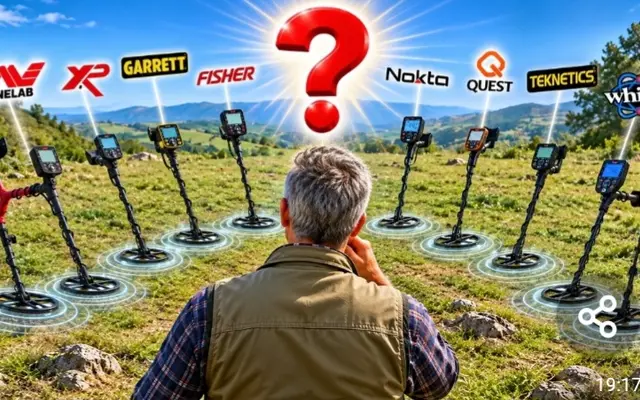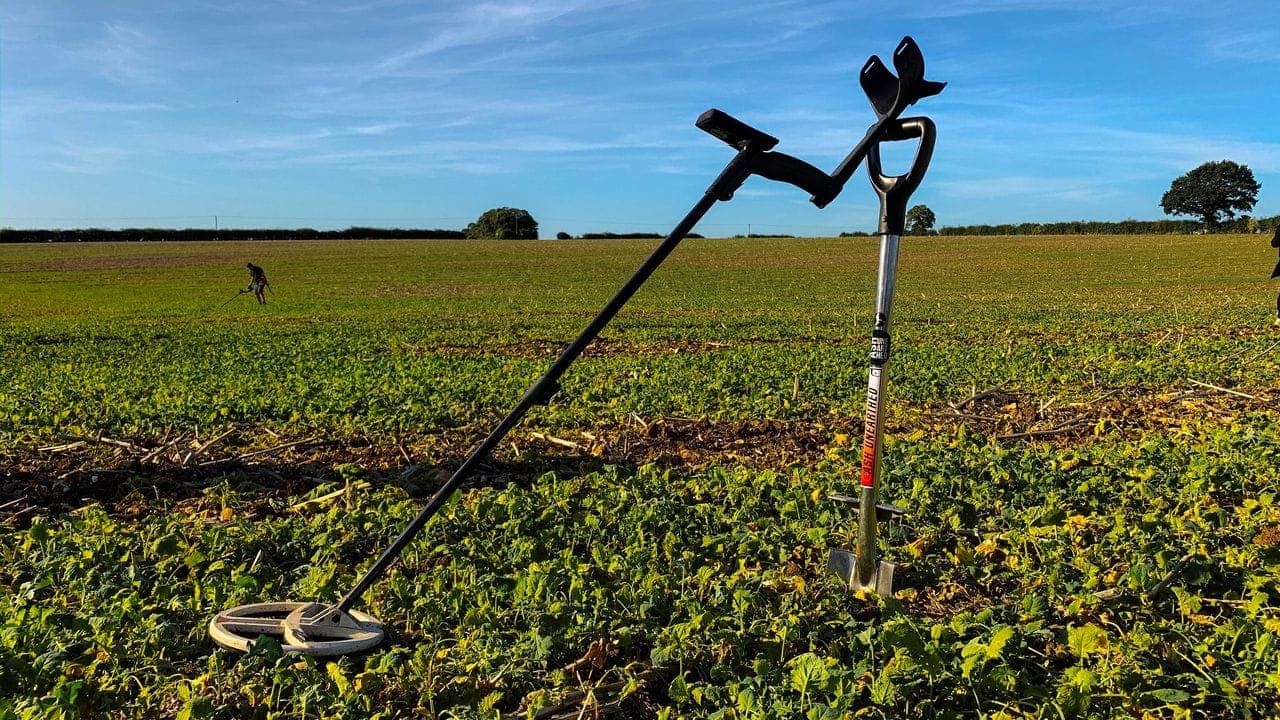
Buying a metal detector is an investment, and you are not always certain you have chosen well. That is why renting is becoming a realistic option for anyone who wants to test a machine before committing. Among the shops offering this service is the British LP Metal Detecting, which explains on its blog why renting can make more sense than buying right away. The shop offers detectors from manufacturers such as Minelab, Nokta, XP and Garrett, with the aim of letting people actually use the machine rather than just reading about its features online.
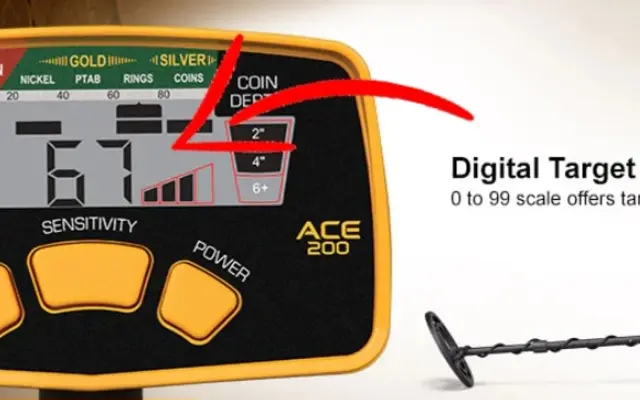
The first point concerns how hard it is to compare detectors on paper. Spec sheets look alike: multi-frequency, waterproofing, wireless headphones, different search modes, different target identification systems. What the specifications do not tell you is how a machine behaves in your hands. You can spend weeks watching videos about a model, but only after a few hours of searching, listening to the audio and digging up signals do you understand whether you get along with it. The suggestion is to take the detector onto the type of ground you usually hunt and judge for yourself.
The trial becomes particularly useful when you are considering an upgrade. Moving from an entry-level or mid-range model to a more advanced one often entails a significant jump in price. Reading that a machine offers more adjustments, faster recovery or more detailed audio is one thing; establishing whether those differences matter for your own way of searching is another. Renting lets you answer that question before you spend.
Another option is comparing on a field you already know. Someone who has repeatedly covered the same ground with their own detector already knows how the soil reacts and how the machine performs there. Bringing another model to that same spot offers a very useful point of comparison. According to the source, this is what matters in the end, more than the length of the list of features.
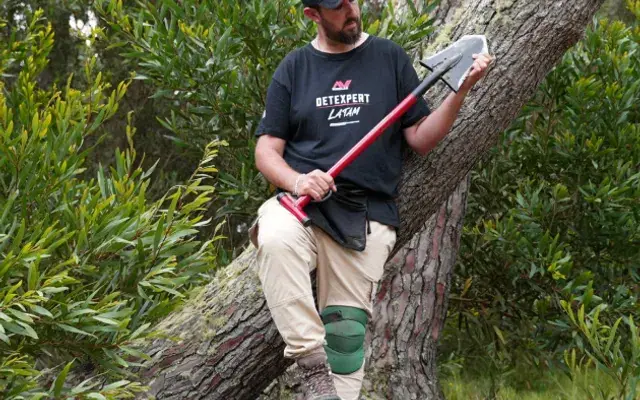
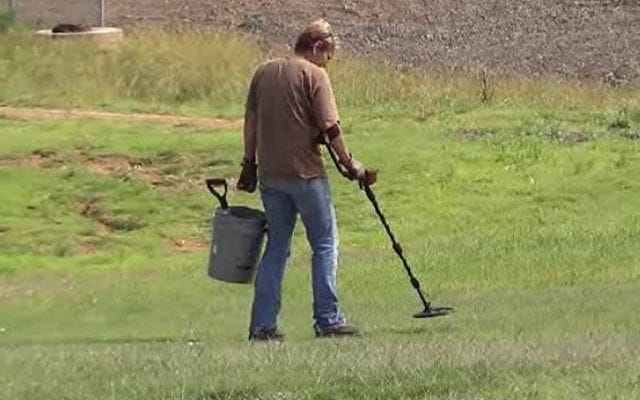
Renting also appeals to people who are not yet in the hobby. Not everyone who watches metal detecting is ready to buy a machine: perhaps they have followed online videos, admired other people's finds, or been invited by a friend who already owns a detector, without knowing whether they will enjoy it too. By renting a detector you experience the activity firsthand: walking the ground, listening to signals, pinpointing the target precisely and digging up many objects that are certainly not treasure. Those who then get hooked arrive at choosing their first detector with clearer ideas.
Then there is the case of the rally. If you have had a particular model in mind for months, a full day at a rally lets you use it for several hours over a good stretch of ground, enough to form a much more solid impression than holding it for five minutes. And if you have an important rally coming up but your own detector is not available, renting still offers a way to take part.
The same applies when a new search permit opens up. The source cites the example of an old pasture you have been trying to access for years, or an area where historical research has suggested something interesting. If you do not yet own the detector you had in mind, renting it for the occasion lets you see what it can do, without buying another machine just because a particular weekend came up.
In short, renting gives access to models that spark your curiosity without requiring the full purchase price up front. For a market in which the differences between machines are appreciated above all in the field, it is an opportunity that undecided buyers would do well to consider.