According to the Minelab blog, the end of summer does not have to mean the end of the search season. In the article "Five Metal Detecting Trips to Squeeze in This Summer", the company points out that there are still long days to make the most of and new ground to explore. The five ideas proposed cover beaches, freshly harvested fields, woodland, riverbanks and new destinations, with some tips on choosing equipment. The portion of text available to us covers the first three in detail.
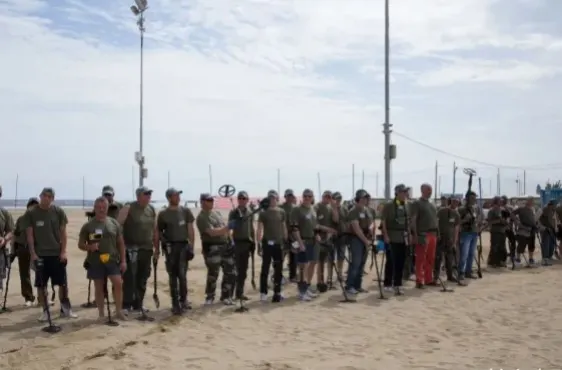
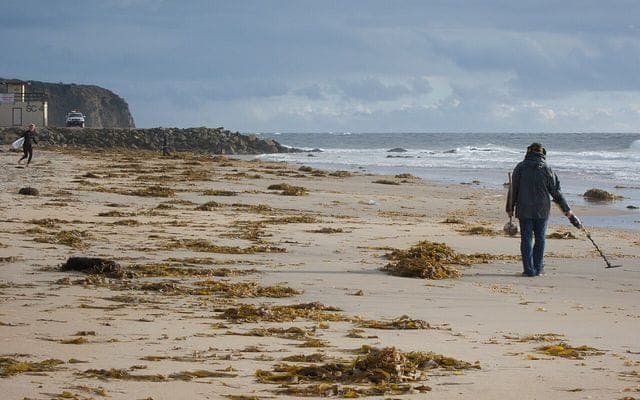
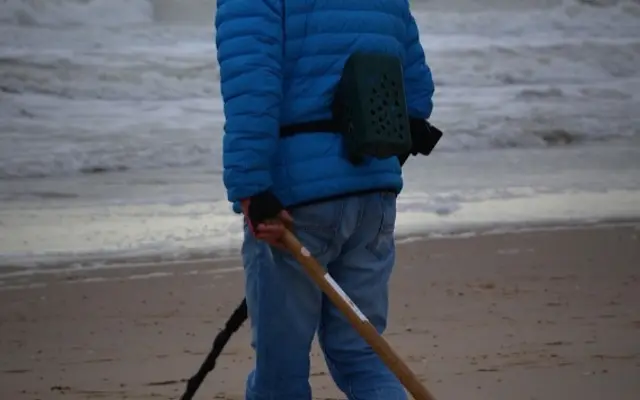
The first stop is the beach, which Minelab considers hard to beat at this time of year, especially once the crowded weeks of summer are over. The advice is to try a stretch of sand never searched before, or to move beyond the usual section of coastline. Detectorists should not limit themselves to a single zone: they can work the dry sand, follow the tide line and, where conditions allow, also search the shallow water. For these situations the blog cites the EQUINOX 900, waterproof to 5 metres and equipped with Multi-IQ technology, designed to handle the changing conditions of the beach.
Before heading out, the article urges readers to check local regulations and tide times, making sure that searching is permitted at the chosen location. At the end of the day, equipment needs attention too: salt and sand get into everything, so suitable waterproof parts should be rinsed with fresh water following the manufacturer's instructions, removing sand before storing everything away.
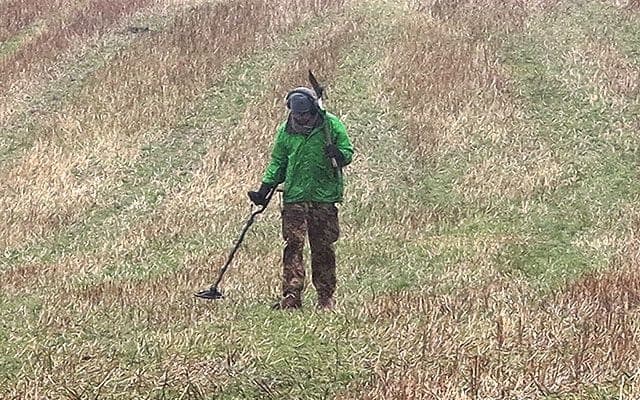
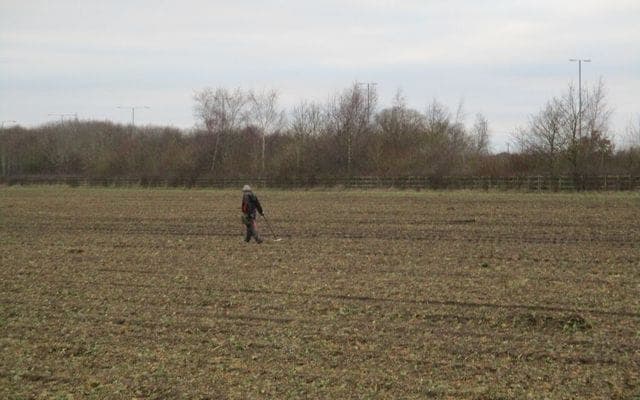
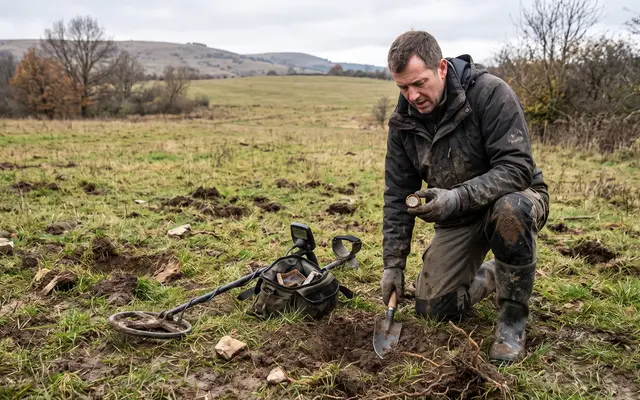
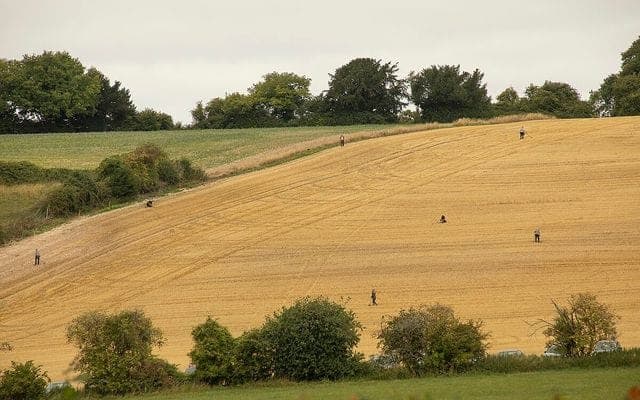
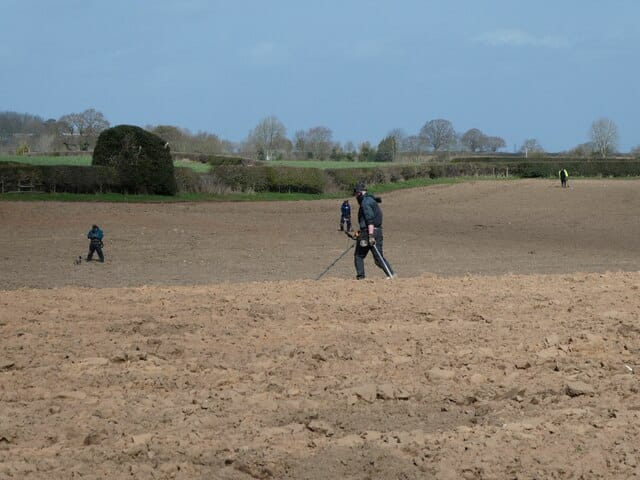
The second scenario is freshly harvested fields, which for many detectorists means one thing: opportunity. At the end of summer, ground that has been off-limits for months can become accessible. With the landowner's permission, these fields offer room to move and cover a large area, in a setting very different from the usual sites. Here, according to Minelab, the choice of coil can make a difference: with the MANTICORE the blog suggests the M15 coil when greater coverage is needed in open areas, while the smaller M9 is an alternative if the ground becomes narrower or cluttered with debris.
The blog also stresses respect for the land and for the access granted. Readers should stick to the agreed boundaries, properly refill any holes, respect crops and animals, close gates, and follow any arrangements made with the landowner regarding finds.
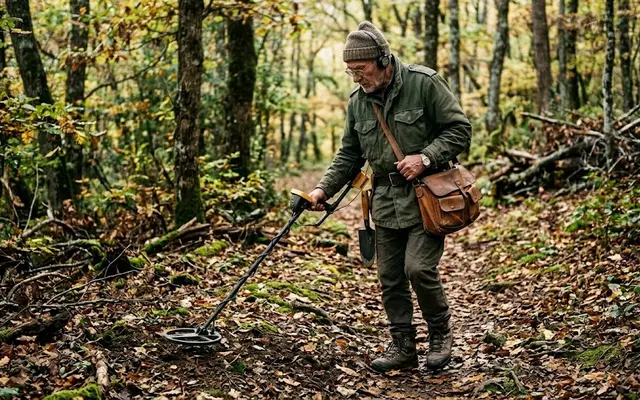
The third proposal is woodland, where the pace changes. Instead of sweeping large open spaces, detectorists find themselves walking among roots and undergrowth, following old paths through the landscape. For this, according to the article, a lightweight setup is useful: the X-TERRA ELITE weighs 1.3 kg and is therefore comfortable to carry when the day involves a lot of walking and manoeuvring in tight spaces.
To find their bearings, Minelab advises readers to observe the terrain: old tracks, entrances and signs of past activity can help decide where to stop for longer. Here too a basic caution applies: public access does not automatically mean permission to search with a metal detector, so the owner or manager of the area should be identified before starting. The text also recommends staying well away from protected areas.
It should be noted that this is content published on a manufacturer's blog, and that the models mentioned are from its own catalogue. The underlying principles, however, apply to any machine: find out the rules, ask for permission, respect the land and look after your equipment after each outing.