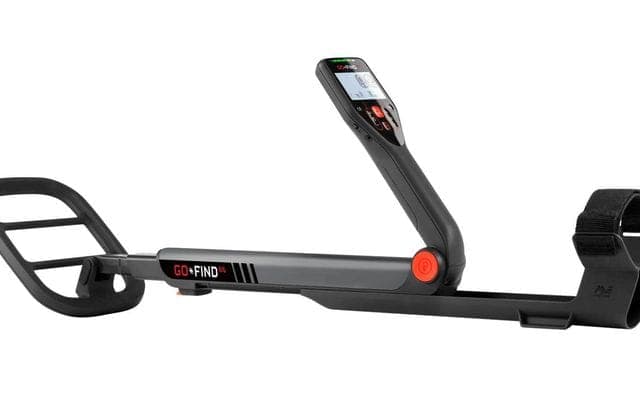
When it comes to metal detecting, beginners almost always focus on the metal detector itself. More experienced detectorists, however, know that accessories matter just as much. A guide from British retailer LP Metal Detecting, aimed at those who practise in the UK, lists five pieces of kit considered essential for 2026. They help recover targets faster, protect valuable finds and keep users comfortable during long sessions, whether on ploughed fields, pastures, beaches or in woodland.
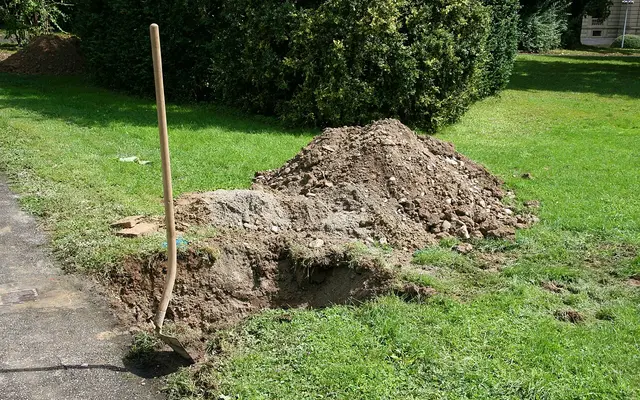
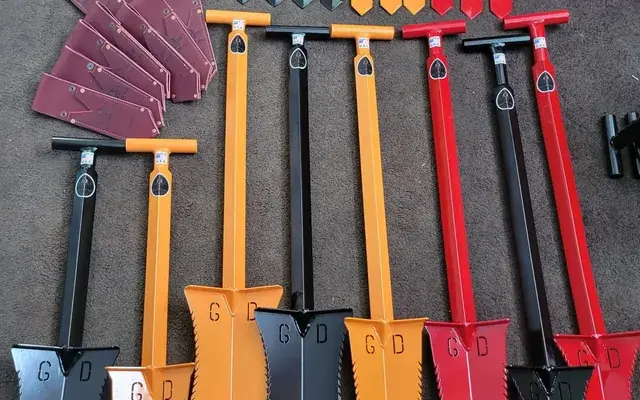
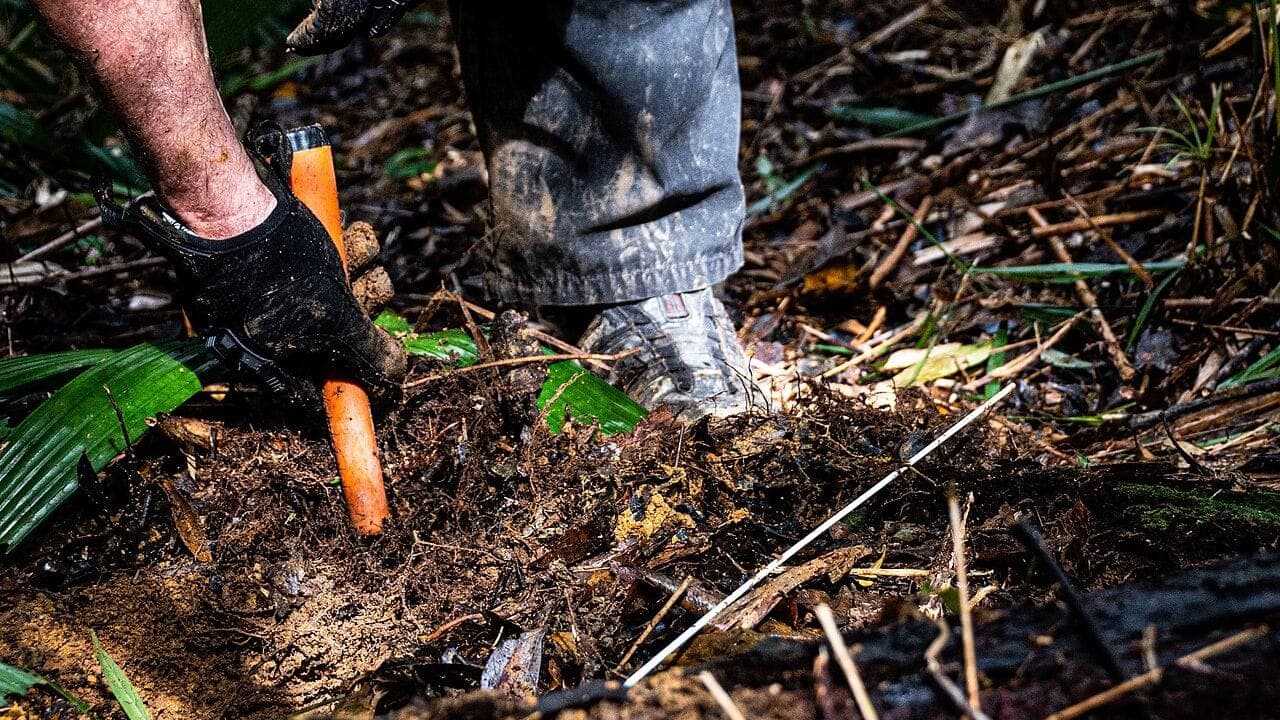
The first accessory is a digging tool designed for detecting. A standard garden spade is often too heavy and too wide, and it is not built for constant digging on difficult ground. Stainless steel digging tools are particularly popular among British detectorists, as they are durable, lightweight and rust-resistant. A good tool speeds up recoveries and makes time in the field more pleasant.
The second is the pinpointer, the handheld locator that, after digging, shows the exact position of the target. According to the guide, it is among the accessories that most speed up recovery. Without one, extracting small objects such as hammered coins or tiny artefacts can become slow and frustrating. For many enthusiasts, the text notes, it soon becomes an indispensable part of the kit.
The third is the pouch or bag for finds. It serves to protect valuable finds and keep rubbish separate from items to be kept. The guide reminds readers that responsible practice involves removing modern waste from the ground and carefully looking after historic finds. A quality bag also helps safeguard search permits and keep farmland clean.
The fourth is gloves. Metal detecting involves continuous digging, contact with sharp objects and work in damp, muddy conditions. Without adequate protection, hands can become irritated, cut or blistered. Many British detectorists choose waterproof, lightweight gloves that still allow good sensitivity when handling coins and delicate objects. A reliable pair makes searching more comfortable and safer in every season.
The fifth concerns conservation. Many historic finds become fragile once removed from the ground, and proper storage helps prevent damage to coins and artefacts. A quality box or container allows finds to be organised and preserved until cleaning and identification. Some detectorists also use coin capsules or specific protective sleeves, which prevent scratches and corrosion. The same applies, even more so, to finds of particular value or historical importance.
The picture that emerges is one of equipment designed for those who practise regularly. The guide argues that choosing accessories matters as much as choosing the detector, because a well-organised setup reduces time lost in recoveries and leaves more room for the actual search. The text addresses those operating in the UK, where the reference terrain is mainly farmland, beaches and woodland, but the categories indicated are common to the whole practice.
It should be noted that the recommendation comes from a specialist shop, which in its guide refers to its own catalogue of spades, bags, gloves and containers. It is therefore a selection with a commercial slant, but one consistent with what many enthusiasts consider the basic kit. For an Italian detectorist, the list nonetheless offers a useful starting point: before investing in a higher-end detector, it may be worth checking that these five items are in order, as they affect the quality of every outing and the good preservation of what is found.