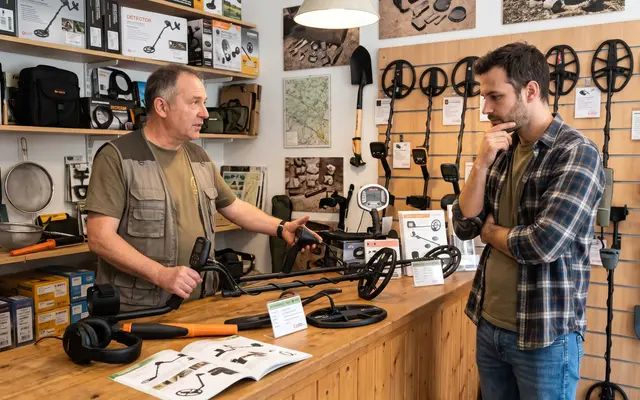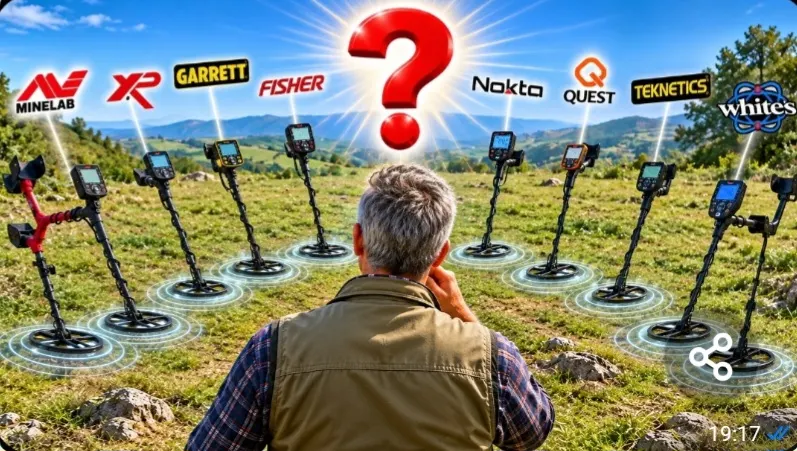
Anyone approaching metal detecting faces a crowded market: high-end models packed with features, cheap devices that look too good to be true, and advice that often contradicts itself. A guide published by the US blog Metal Detecting Life tries to bring some order, starting from a practical observation: a wrong purchase can quickly kill enthusiasm for this hobby.
The author describes two recurring mistakes that they say they have witnessed: buying a cheap detector that barely works, and then moving up to a complex model for which they are not yet ready. Hence the core advice: start with a simple tool, so you can search for coins in a park without getting lost in the menus.
The first criterion is ease of use. For a beginner, the guide recommends a device that can be switched on and used right away, with automatic ground balance and preset search modes. Fewer adjustments mean less time spent configuring the machine and more time spent searching. The author recounts starting with a detector that had just two knobs and a switch.
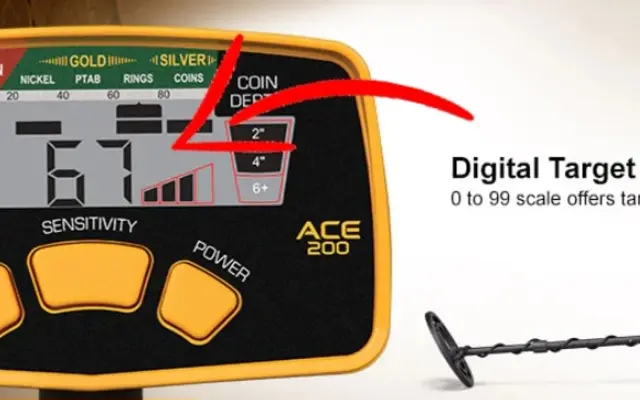
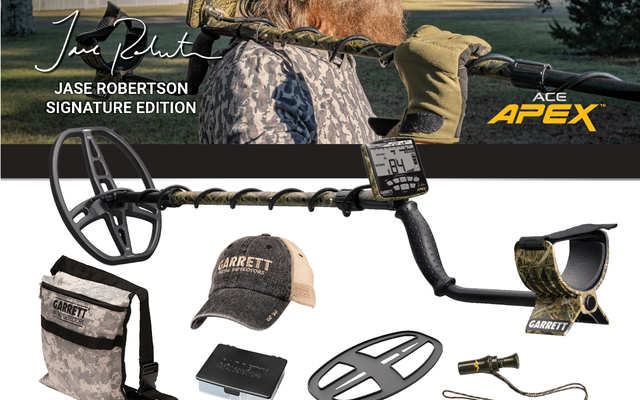
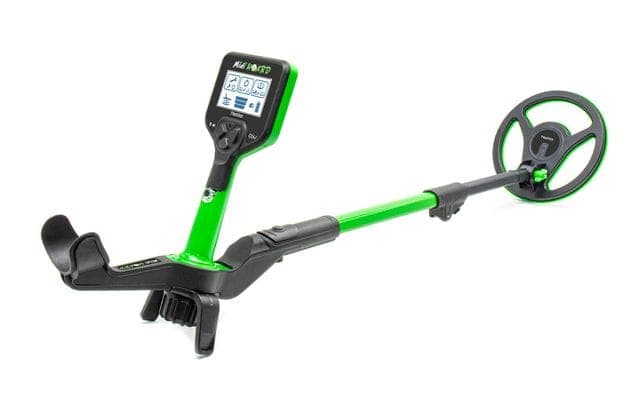
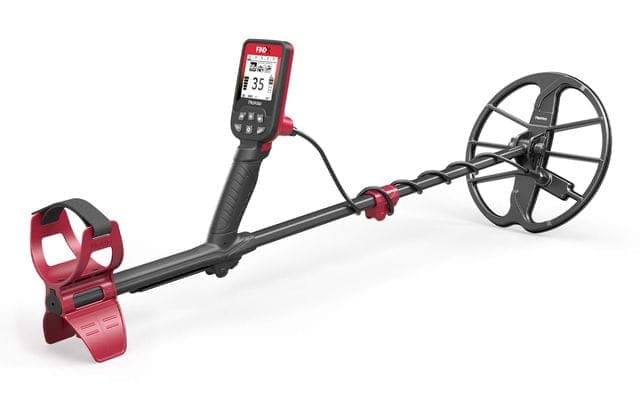
The second is budget. According to the source, there is no need to spend a lot: excellent models under $300 exist and perform well in most conditions. The Garrett ACE 300 and the Minelab Vanquish 340 are cited as examples of simple, reliable brands with an affordable price. Models listed as suitable for beginners also include the Nokta Makro Simplex+ and the Minelab Vanquish 440.
Ergonomics matter too. You can spend many hours moving the coil over the ground, so weight and balance affect the experience. The guide suggests lightweight models with an adjustable shaft and an ergonomic grip, which help prevent arm fatigue, particularly for young users or for people with mobility difficulties.
It is also worth considering what you intend to search for: coins, historical finds, jewelry or gold. Some detectors perform better with certain materials, and for those who are not yet sure what they want, the source recommends a multipurpose model. Discrimination and sensitivity also play an important role. The former allows you to exclude scrap metals, such as bottle caps and nails, avoiding unnecessary digging. The latter is adjusted according to the environment, for example a sandy beach or mineralized soil.
A final aspect, often overlooked, is battery life. A detector that shuts off halfway through an outing ruins the day: the guide recommends models with long-lasting batteries or rechargeable ones.
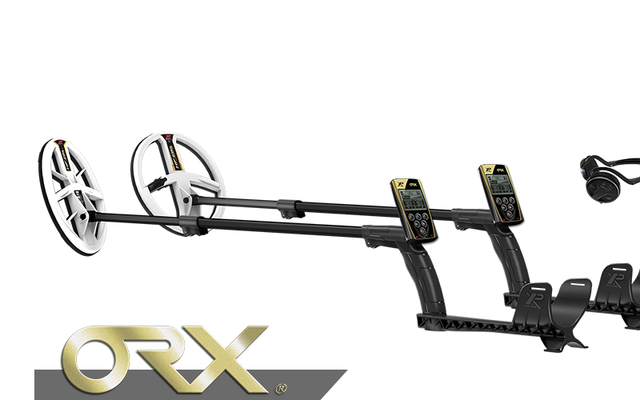
Finally, the text distinguishes three main types of metal detector, each suited to different purposes, so the choice depends on where and what you want to search for. The first category is described as inexpensive and lightweight, suited to searching for coins and finds and for general use, and it is the one that includes the models recommended for beginners. A second category groups more advanced devices that operate on several frequencies simultaneously and are intended for use on every type of terrain, from parks and fields to beaches.
It is worth noting that the guide is published by a blog that takes part in affiliate programs and earns a commission on purchases made through its links. The author specifies that the price for buyers does not change. In short, the message for beginners is simple: choose a lightweight, intuitive and affordable tool, practice in the field alongside it, and only then move on to more complex machines.