It may happen that a child has watched a parent in action. Or has seen someone on YouTube unearth a Roman coin. Or has decided that digging holes in the garden in search of treasure is the best way to spend a Saturday afternoon. Whatever the origin of the curiosity, the parent soon faces a more complex choice than expected. There are hundreds of machines on the market, with prices ranging from under £50 to well over £1,000. Anyone who doesn't practise detecting must then find their way through terms such as target ID, discrimination, frequencies, search coils (plates) and ground balance. According to the guide published by the British shop Regton, choosing a detector for a child doesn't have to be complicated. What matters most is that the device suits the child's build and that it actually finds something. The first real signal, the digging and the discovery that the detector was right are the experiences that spark a passion.
The first warning concerns cheap models. Online you can find detectors “for kids” at £30, £40 or £50, often with colourful displays, lots of buttons and promises of great depth. The shop cautions against generic, very low-cost models, often made in China and sold under different brand names. The guide makes clear that not everything made in China should be discarded, as that would be an oversimplification. The problem lies with the lowest-end machines, for which performance, build quality, reliability and after-sales support can be questionable. The concrete risk is that a device with unstable signals, unable to identify targets, convinces the child that detecting is boring, when it was the machine that was failing. Regton's reasoning is simple. A £50 detector that ends up in the cupboard after the child's frustration is money wasted. An authentic entry-level model at £150–250, which the child enjoys using for years, can offer far better value for money. If you are not sure the hobby will stick, the guide also suggests a good-quality second-hand model or hiring one.
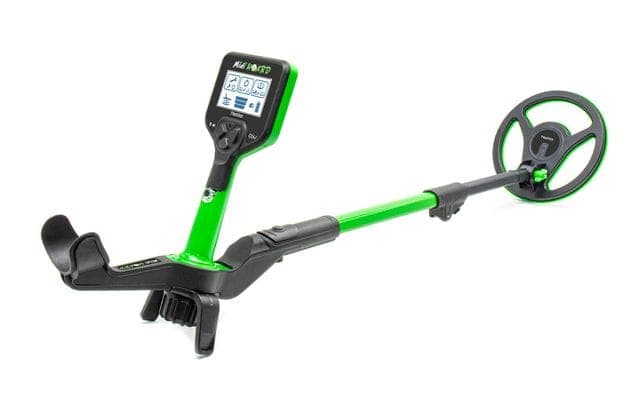
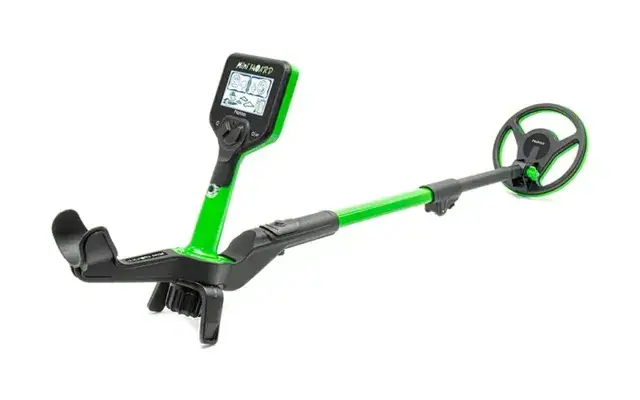
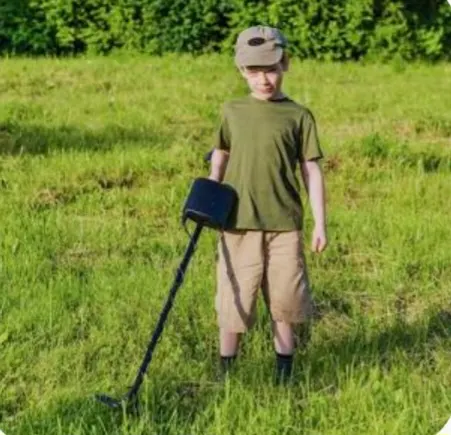
On age, the guide clarifies that the bands are not hard rules. Children differ greatly in height, strength, patience and interest, so age is an indication rather than the decisive criterion. For the youngest, the main challenge is not technology but having a detector they can hold and move comfortably. A heavy machine tires them quickly. If the child struggles to keep the search coil at the right height, or keeps asking Mum and Dad to carry it, the fun fades fast. For this age group, lightweight, simple and fairly short tools are therefore needed. The parent will probably do much of the digging and help interpret the signals. Dozens of settings are not necessary: at this age, the beep and the find are what count, and a simple machine that gives genuine signals works better than a complicated one the child can't understand.
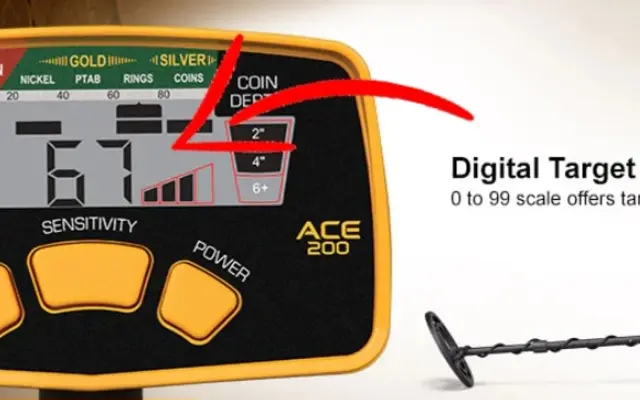
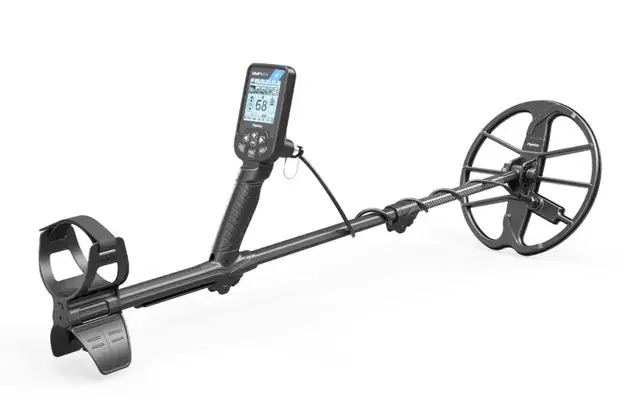
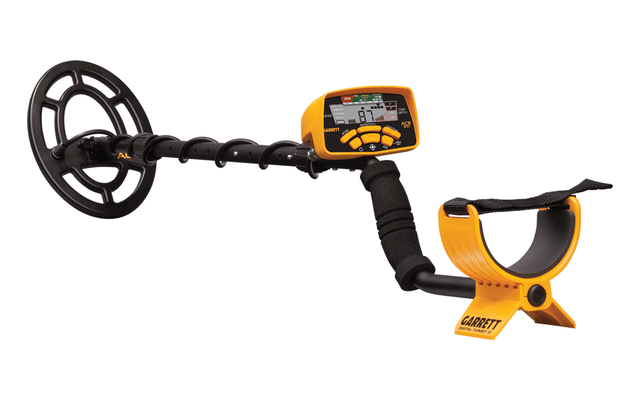
One practical tip is to hide a few coins in the garden before the first outing. That way the child experiences a find straight away, which may be enough to turn “Can we go hunting?” into an enthusiastic “When can we go back?”. In the next age group, children start to get the hang of the tool. They can move the detector correctly, understand that different signals can mean different things, and begin searching on their own. Here a model designed for young users can be a good solution. Regton cites the Garrett Children's Ace 200i, which has a reduced “junior” shaft for younger users. It weighs about 1.15 kg and comes with headphones and a search coil cover. There are four criteria to assess: a weight that allows searching without tiring, an adjustable length so the detector can “grow” with the young user, simple controls that won't overwhelm them, and clear audio that helps them learn to listen to signals. These guidelines are useful in Italy too, where the choice of a first machine remains decisive in keeping detecting a pastime rather than a disappointment.