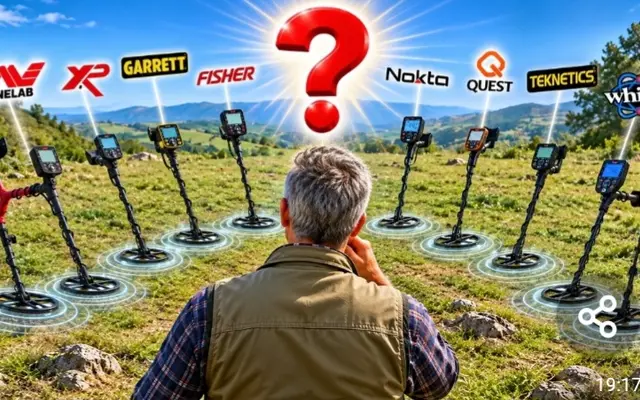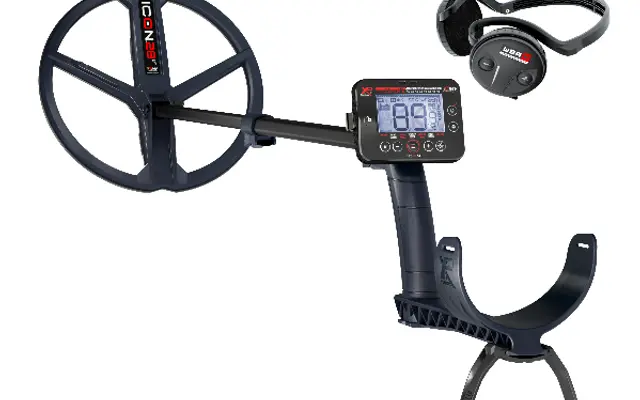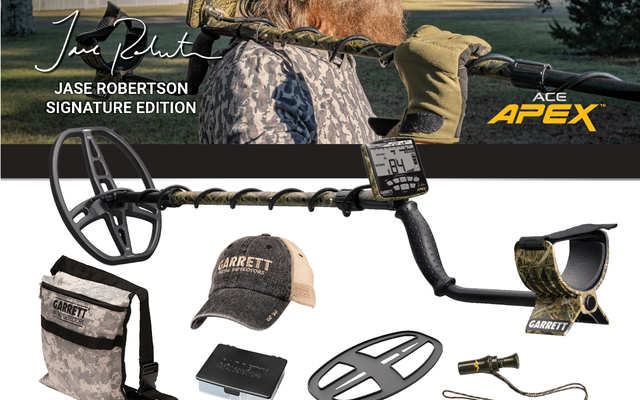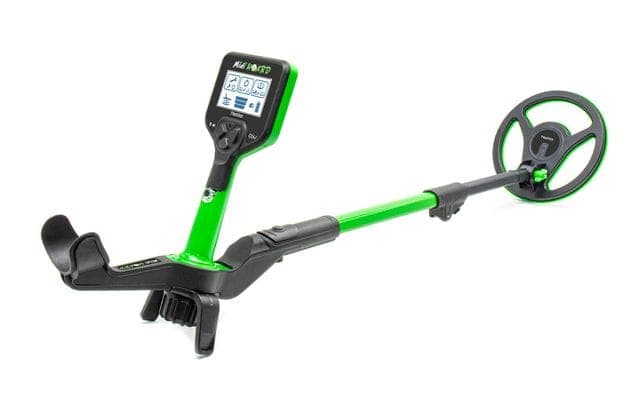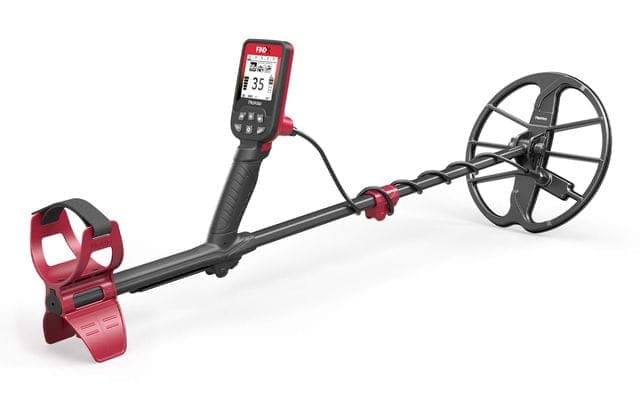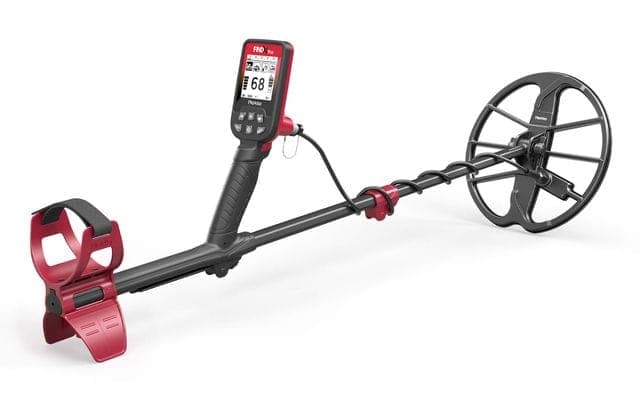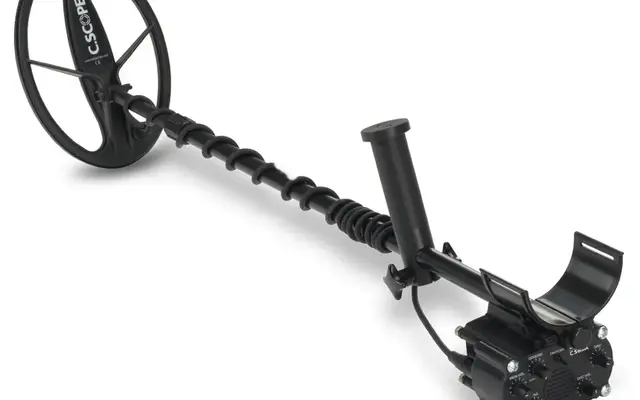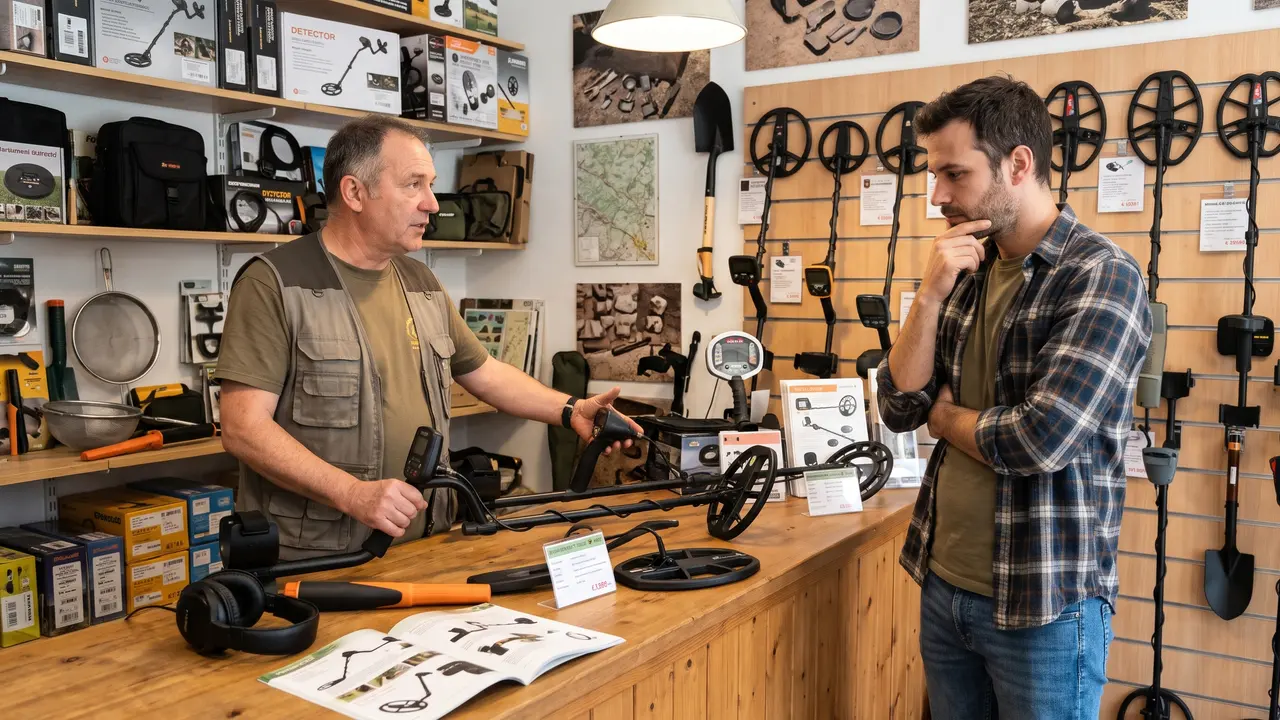
Anyone who gets into metal detecting soon runs into the most common question: which machine is worth buying? Between YouTube videos, reviews, technical spec comparisons and social media debates, the answers multiply and often contradict each other. A guide published by Focus Speed and written by Dennis, a detectorist with over five decades of activity behind him, starts from a counterintuitive premise: the best detector in absolute terms does not exist. There is only the one best suited to the way you want to live this passion.
The first piece of advice is to be wary of salesmanlike rhetoric. Every manufacturer presents its latest model as deeper, faster, lighter or more advanced than the previous one. Every enthusiast, in turn, is convinced that the device they own is the best on the market. The author says he does not follow brand loyalty for its own sake. He says he wants to share what he has learned over many thousands of hours of searching. He also makes clear that his is not a ranking from best to worst. He wants to help readers choose the machine best suited to their interests, budget, physical abilities and the type of searching they actually intend to do.
The story begins on December 10, 1973, when Dennis walked out of a shop with his first machine, a Garrett Master Hunter BFO. By today's standards it was very simple. It had only an analog meter, with no digital display, no target identification (target ID), no wireless headphones and no software updates. It detected metal, and that was enough to change his life. About two weeks later he recovered his first coin, a 1935 Buffalo nickel. Four months later he found his first gold ring, a heavy 18-carat gold wedding band. It was then, he recalls, that he realized he was looking not just for lost loose change, but for history and jewelry.
Over the following fifty-two years he has owned or used detectors from Garrett, White's, Tesoro, Minelab, Nokta, XP and several specialist manufacturers. The main lesson, he writes, has not changed: it is rarely the detector that determines success; it is the detectorist. Today's machines are technologically impressive, but results still depend on other factors. Knowledge of history and choosing productive sites matter. Learning your machine until it becomes second nature and recovering hundreds of targets matters. Asking the right questions of the right people and field experience matter too.
Before comparing brands, prices or features, the author invites readers to ask a more important question: why do I want to do metal detecting? The answer shapes almost all the choices that follow. Some are drawn to history, while others dream of ancient coins, jewelry, American Civil War relics or natural gold. Many simply want an excuse to spend more time outdoors. None of these motives is worth more than the others, and interests can change over time.
Dennis is also candid about expectations. As a young man he wanted to become rich and famous by finding great treasures. He recounts recovering several caches of buried money, piggy banks, coins scattered in a single spot, rare coins, and silver and gold rings. He warns, however, that anyone who expects only this risks disappointment: he himself played the lottery without ever winning. His advice is to enjoy the journey, knowing that a great surprise now and then does come along.
For beginners, the message is clear: choosing a first detector should start with your motivations, budget and physical abilities, not with the spec sheets. The portion of the guide available does not name specific models. What it offers is a method for not being steered by marketing, and a reminder that, with technology being equal, study, site research and practice are what make the difference.