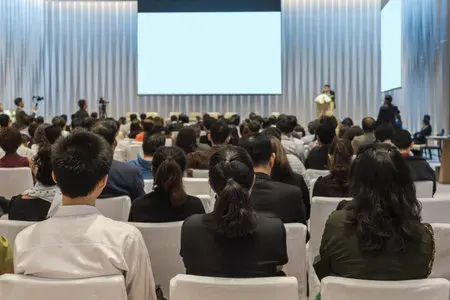
According to the National Council for Metal Detecting (NCMD) on its website, Dave Crisp and Alan Tamblyn took part in the Archaeology Conference Cymru, held in Wrexham, North Wales, representing the hobby and its members. The account was published by the organisation itself, and all the information in this article comes from that source.
The conference ran over three days and across three venues: the recently refurbished Museum of Wales, the University of Wrexham and the Park in the Past. The NCMD stresses that both the museum and the park are not to be missed by anyone in the area, and adds that they are worth the trip even for those who are not local.
The event was organised in part by Susi White, identified in the source by the abbreviation FLO and described as a supporter of responsible metal detecting. The NCMD says the conference reflects well on her and on everyone who helped make it happen, and the tone of the account is one of appreciation for the organisation.
A central point to emerge from the account concerns the content. Many of the speakers based their talks on data from the PAS database, that is, information created by detectorists who record their finds. In practice, the documentation work carried out by people searching the fields with their detectors has become raw material for presentations by scholars and archaeologists, confirming the scientific value of accurate recording of finds.
The presentations were recorded. According to the NCMD, they will soon be available to view on the conference website, so those who could not attend will be able to watch them later. The source gives no further details on publication dates or the programme of talks, so it is best to wait for the official release.
In its comment, the NCMD says it was struck by how much metal detecting has changed our understanding of the past and notes that, in many cases, it has altered the archaeological record of the nation. It then thanks those who have so far recorded their finds. To anyone who has not yet done so, the organisation suggests they may change their mind once they see how important that data is for historians and for archaeology as a whole.
A note on the nature of this news: the source text is an account of attending a conference and does not describe any rules, obligations or legal procedures. It therefore offers no practical guidance on where and how searching is permitted, or on how finds should be reported. The rules on metal detecting and the reporting of finds vary from country to country and can change over time.
Those who practise the hobby are therefore advised to always check the local rules in force, by contacting the competent authorities or official channels in their area, before going out in the field. The message coming from Wales, in any case, is that a responsible approach and the recording of finds can make a concrete contribution to historical research.