For those picking up their first metal detector, the question is always the same: where can I search? A specialized blog, Metal Detecting Life, has devoted a guide to the topic. The author claims over 19 years of experience and argues that one must learn not only where to search, but also where it can be done legally and ethically. It should be noted that the source is a US website: the rules described reflect that context and should not be taken as valid in Italy.
The first principle mentioned is that metal detecting is not only about finding objects, but also about respecting the land and the laws that govern it. According to the guide, searching on public land is often permitted, but there are exceptions. For this reason, it recommends always checking local regulations, particularly for state and national parks, where many areas apply strict restrictions.
The case of private land is different. The source is clear-cut: written permission from the owner is required. A verbal or presumed consent is therefore not enough. Having authorization in writing protects the searcher and clarifies from the outset the boundaries of the agreement.
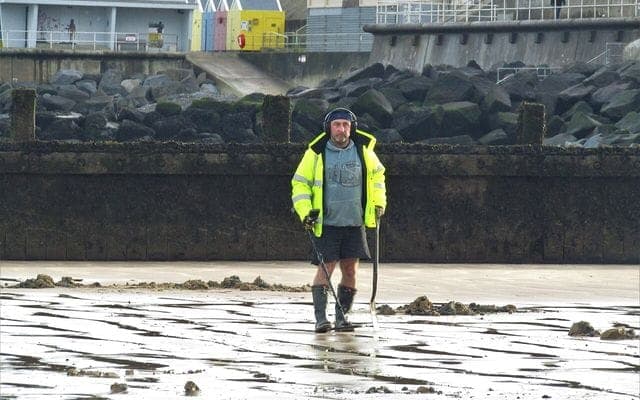
The guide also points out that some places, such as certain parks or beaches, require a specific permit to use a metal detector. According to the author, these permits are generally easy to obtain and the small fee is worth paying. Here too, verification must be done case by case, by asking the managers of the area.
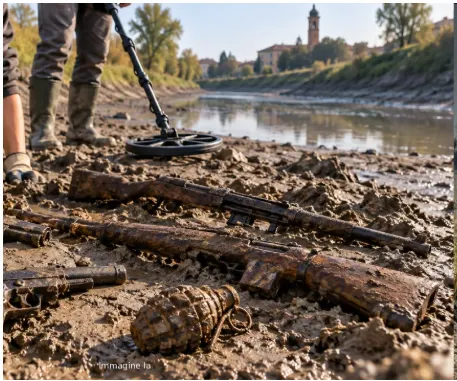
On the prohibitions, the source is clear: historic sites, battlefields and archaeological zones are off-limits. These are areas protected by law to preserve cultural heritage. Those who practice the hobby should therefore consider these places closed, regardless of their experience or the type of detector used.
An important chapter concerns behavior in the field. The guide urges always filling in holes and collecting any trash found during the search. According to the author, a respectful attitude helps ensure that metal detecting remains welcome in the places enthusiasts prefer. The site also refers readers to an in-depth article on cutting the so-called plug, the technique for recovering the target without leaving a trace on the lawn. It also recalls the usefulness of the pinpointer, which helps locate the object in the hole and offers other advantages.
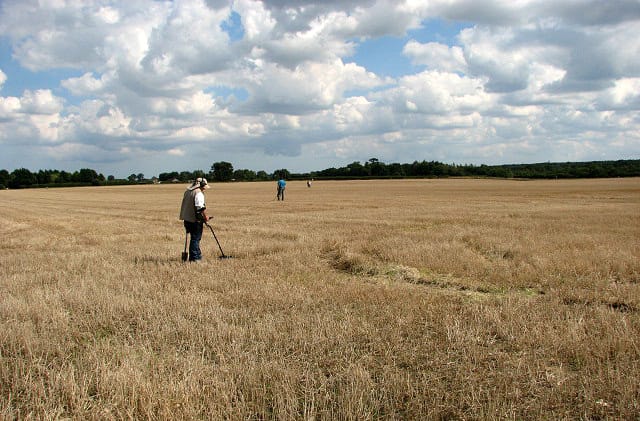
Why does choosing the location matter so much for beginners? The source lists several reasons. Places suitable for beginners, such as parks or beaches, tend to yield items like coins and jewelry more regularly, which helps maintain motivation. Soft ground, like that of beaches, makes it easier to practice digging and using the equipment, without the difficulties of rocky or root-filled soil.
Starting in areas where searching is explicitly permitted, the guide continues, means staying within the law and avoiding fines or complications. Open spaces free of obstacles also allow you to understand the detector's settings and signals without frustration. In a favorable environment, one gains experience in reading signals and choosing search patterns, and refines one's skills.
In short, the guide suggests starting from simple, permitted locations such as parks and beaches, always asking for written permission on private land, and avoiding historic and archaeological areas. Those living in Italy, however, should remember that the source's indications do not replace the regulations in force in our country. Before every outing, it is essential to check the applicable local and national rules by consulting the competent authorities.