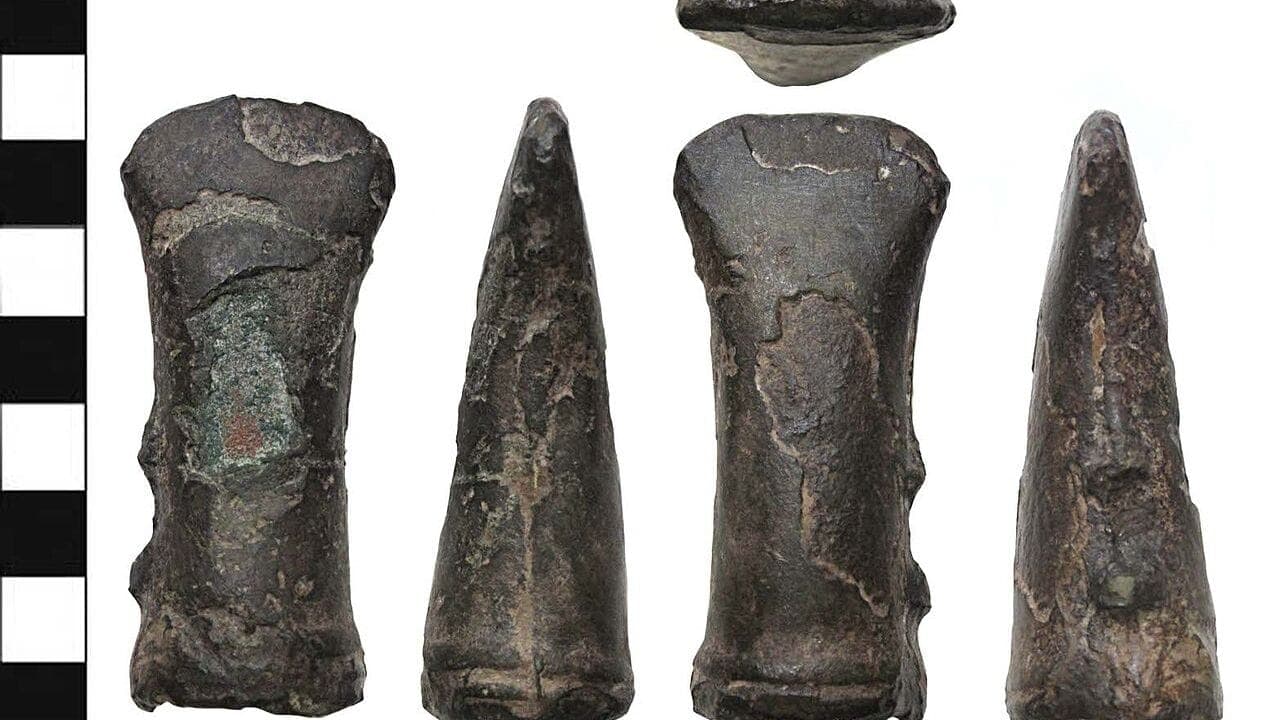
A prehistoric battle-axe head, discovered in 1974 in North Yorkshire, England, has been temporarily blocked from export, The History Blog reports. The measure gives local museums and collectors the chance to buy it, so that it remains in the UK and on public display. The object is more than 4,000 years old and dates to the Bronze Age.
According to the source, the find was accidental and occurred during construction work. However, the object was reported to the Portable Antiquities Scheme only in 2012, many years after its discovery. For protection reasons, the exact findspot is not disclosed here, only the geographical area.
The axe head is made of diorite, a hard igneous rock with a distinctive mottled pattern. It has curved edges, a central hole for hafting the handle and a highly polished surface that highlights the natural design of the stone. Its condition is described as exceptional.
The source cites comments from Tim Pestell, a member of the Reviewing Committee on the Export of Works of Art and Objects of Cultural Interest (RCEWA). In his view, shaping such a hard stone into a tapered form with a central hole and then polishing it until it gleams would have required hundreds of hours of work. The attention to aesthetics suggests it was not a simple utilitarian tool.
The object is also important for its historical context. In the Early Bronze Age, during a period of profound change, a society that had until then relied on flint technology began to use metallurgy. Even so, battle-axes became some of the most powerful symbolic objects, described by one scholar as “blunt instruments of power”. They were made of stone rather than metal, yet they conveyed social, sacred and political messages. For this reason, according to the source, they offer insights into status, identity and lifestyles in Neolithic and Bronze Age Britain, as well as considerable research potential for future generations.
From a regulatory standpoint, the source explains that the object's link to British history, its aesthetic value and its importance for the study of similar objects meet the first, second and third of the Waverley criteria, which the committee uses in its assessments. On the recommendation of the RCEWA, Heritage Minister Baroness Twycross imposed a temporary export bar.
Potential buyers have until 22 December to make a good-faith effort to raise the necessary funds. The recommended purchase price is £15,000, or about $16,700 according to the source.
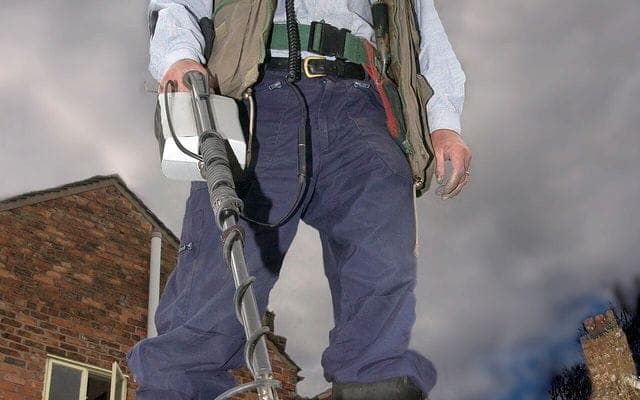
For metal detectorists, the case is a reminder of the importance of reporting finds to the competent authorities. In this instance, the report came only in 2012, but it nonetheless made possible the scientific and cultural assessment of the object. Rules on research, discovery, reporting and export of archaeological material vary from country to country. This article merely reports what The History Blog said about the British case. Before going out with a metal detector, it is therefore always necessary to check the local regulations in force in the area where you intend to search.