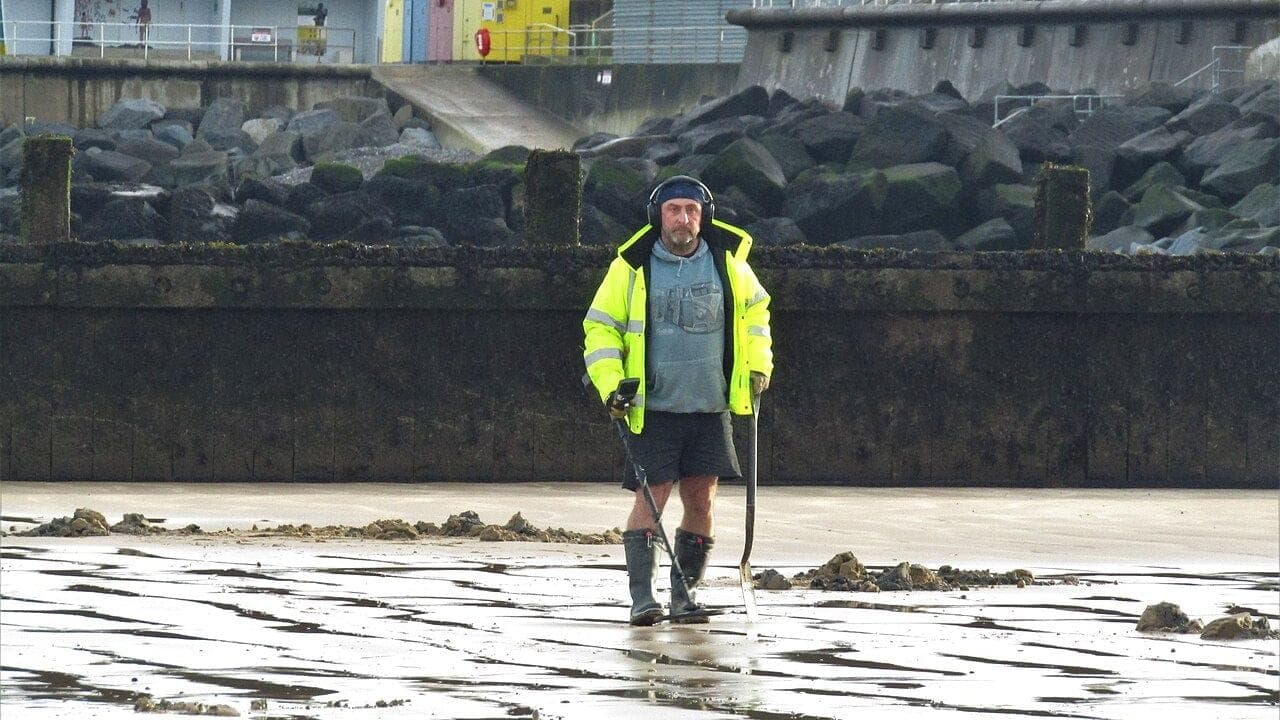
Anyone planning a metal detecting trip along the UK coast should know that, contrary to a common belief, not all British beaches allow searching with a metal detector. An article published on the LP Metal Detecting blog reminds readers of this and urges them to check a few key points before setting off. What follows is based solely on that source.
The first issue is who owns the area. According to the source, larger beaches may have multiple owners or fall under different local authorities, so understanding the exact boundaries is a crucial step. Once permission has been obtained, it is necessary to know thoroughly and follow the rules set by local authorities or landowners.
The Crown Estate manages land across the United Kingdom, including several public beaches. On the so-called "Crown Estate foreshore", defined as the area between the high-tide and low-tide lines, metal detecting is allowed. The source recommends, however, obtaining permission in advance, and specifies that the application is simple and can be made through the agency's website.
Private beaches are a different case. Searching on a privately owned beach, or on any private land, is illegal without the explicit consent of the owner. For this reason, according to the source, permission must be obtained before starting any activity, in order to comply with legal obligations.
The National Trust manages a significant part of the British coastline, including numerous public beaches. On its land, however, metal detecting in general is not permitted, unless it is part of a well-defined archaeological project. Anyone wishing to obtain authorization in this area must work with a National Trust archaeologist before starting any search.
Field conduct is a separate chapter. The source stresses the importance of respecting the environment: holes dug must always be filled back in and waste disposed of properly. Following the rules, the article notes, helps maintain good relations with authorities and owners and preserves the beauty and integrity of the beach.
As for equipment, the choice depends on where you intend to search. Those who want to work on wet sand or even underwater need a waterproof search coil. The entire device does not have to be waterproof, but it is essential that the control box stays dry and protected from water. For dry sand alone, however, a good metal detector designed for land use is enough.
In wet environments, the mineral salts in seawater come into play, which, due to their conductivity, can compromise detection accuracy. This phenomenon, known as mineralization, has led to the development of technologies such as simultaneous multi-frequency detectors. According to the source, these devices transmit and receive signals on several frequencies at once, analyzing the ground better and offering clearer target identification.
The information reported concerns the United Kingdom and is drawn from a commercial industry blog. Before organizing a search, it is therefore advisable to always check the applicable local regulations and access conditions with the competent authority or owner, consulting official sources directly.