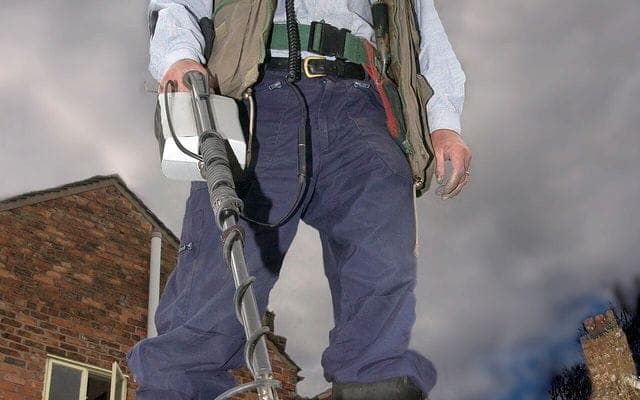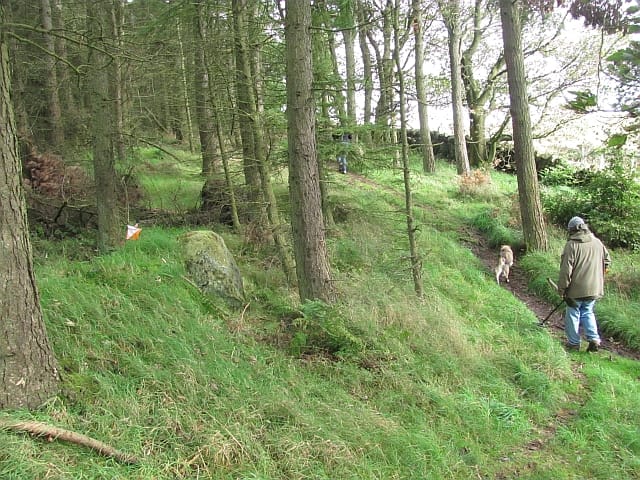
Before switching on your detector on private land, you need the consent of the person who owns it. The blog of the retailer LP Metal Detecting devotes a guide to this step, which many enthusiasts find nerve-racking. According to the source, asking for permission is simpler than it seems: at worst you get a “no”, and there are plenty of other sites to explore. A necessary premise: the LP Metal Detecting article offers good-practice advice for building a relationship with the landowner and does not describe legal rules. The rules on where and how one can search, and on what happens to finds, vary from country to country and can change. Before going out into the field, it is therefore essential to check the local regulations in force and, if in doubt, to contact the competent authorities.
The first piece of advice concerns approach. The source suggests choosing a respectful and polite way, whether in person or with a letter or email: introduce yourself, explain your interest in metal detecting and state your commitment to practising responsibly. Where possible, the guide recommends direct contact. Introducing yourself in person and knocking on the door makes a good first impression and, according to the author, increases the chances of a positive answer.
It is also worth explaining what benefits the search may bring to the landowner. The article mentions clearing the land of litter and safeguarding local history, and invites detectorists to mention any discoveries or contributions they have made to the community. Many landowners, the source notes, are curious about the past of their land, and the search can help them discover it.
Just as important is reassurance. The detectorist should guarantee to follow the rules set by the landowner, such as filling in holes and respecting the environment, and may offer to share the most significant finds with the landowner or the community. The guide also advises preparing for questions: the landowner is likely to ask about any damage, safety, or possible interference with other activities carried out on the land, so it is good to have answers ready.
If the landowner hesitates, the source proposes a trial period. This way, correct behaviour can be demonstrated in the field before reaching a longer-term agreement. When permission is granted, the article recommends agreeing right away on how valuable finds will be handled, to avoid disputes later.
Whether the answer is yes or no, the guide invites you to accept the decision graciously and to thank the person for their time. The overall tone is that of someone who focuses on relationships: building positive ties with landowners is essential to keep access to sites and to ensure that everyone can continue practising the hobby in the long run. Getting used to asking permission, the source adds, is the way to explore more and more places: just be friendly and direct, without fear.
In short, the method indicated by LP Metal Detecting rests on a few points: a polite approach, clear benefits for the landowner, concrete commitments to respecting the land, ready answers to objections, a possible trial and an agreement in advance on valuable finds. These are guidelines on behaviour and not legal requirements: for everything concerning obligations, authorisations and prohibitions, the local regulations in force prevail and should always be consulted before starting a search.