The material available for this article is very limited: it consists of a single short video published on the Italy Hunters YouTube channel. The title of the clip, “Chi indovina?”, is accompanied by a series of hashtags: #metaldetecting, #italy, #relic, #german, #ww2, #find, #viral and #fyp. These elements offer only a general picture and nothing more.
According to Italy Hunters, the video documents a find made with a metal detector in Italy. The hashtags link the relic to a German context and to World War II, and use the term “relic”, which enthusiasts usually apply to historical remains recovered from the ground. The title also sets a small challenge for viewers: guess what the object is.
It must be stated clearly that the source, based on the data available to us, does not allow us to determine what the object is. No information is available about the exact location of the find, the date, the depth at which it was recovered, the type of metal, or its condition. We do not even know the identity of the person who carried out the search or the model of metal detector used. For this reason, we do not put forward any hypotheses about identification, as they would amount to speculation.
The format chosen is typical of metal detecting content on social media. A video lasting a few seconds shows the relic and leaves it to the audience to comment and make guesses. It is a approach that encourages interaction and spreads enthusiasm for the hobby, but it leaves little room for the technical and historical details needed to properly place an object in context.
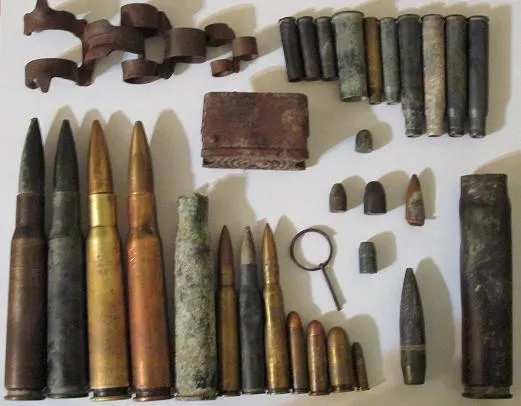
The reference to World War II is nonetheless a good reason to recall some basic precautions. In Italy, war remnants can be dangerous, and anyone who practices metal detecting should know that an object from that period must never be handled carelessly. If you suspect you have found a munition or a part of one, the rule is not to touch it and to alert the competent authorities. Based on the video alone, it is not possible to say whether this case involves an object of that kind, and we do not wish to suggest it.
Those who practice this activity must also bear in mind that Italian law protects items of archaeological and historical interest. Searching for finds with electronic instruments is subject to specific rules and requires the authorisations provided for by law. Even when the material is modern, such as items from the twentieth century, it is wise to find out about local regulations and the correct conduct to follow after a find. Documenting the location and reporting what has been found remains the most responsible choice.
While we wait for any further details from the channel, the video therefore remains a small puzzle designed for an online audience. Anyone who wishes to join the discussion can do so on the Italy Hunters page, bearing in mind that without further information every answer is only a hypothesis. If the channel publishes a fuller description of the relic, its provenance and the context of its recovery, we will be able to return to the subject with verifiable facts.