A short video published on YouTube by the Italy Hunters channel, in the Shorts format, is titled “World War II: German Treasure in Italy” and is accompanied by hashtags on metal detecting, Italy, World War II, treasures and discoveries. The clip touches on one of the themes that most fascinate treasure hunters: goods that, according to tradition, were supposedly hidden or abandoned during the conflict.
It should be stated clearly that, based on what the source reports, the content is a short video with an educational and social-media slant. Neither the title nor the hashtags reveal the exact location, the date, the nature of the objects shown, or whether the search was carried out under any authorization. For this reason, it is not possible here to attribute to the video a specific find or any value: any further detail should be verified directly on the channel, as indicated by Italy Hunters.
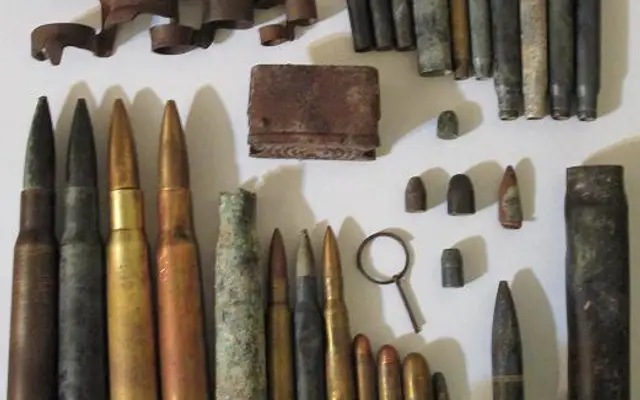
The reference to the Second World War is nonetheless significant for those who practise metal detecting in Italy. Italian territory was the scene of military operations and occupation, and even today the soil regularly yields traces of that period: equipment items, cartridge cases, metal fragments and, in some cases, unexploded ordnance. These finds are of interest to local history and collective memory, but they call for particular caution.
On unexploded ordnance in particular, it is worth recalling a basic principle of common sense: an object that could be a munition, even if it appears inert, must never be handled or moved. A signal from a large ferrous target in areas where fighting took place may indicate something dangerous. In such cases, the correct choice is to stop, mark the position and alert the competent authorities.
There is also the legal framework, which enthusiasts must know before heading out with their detector. In Italy, the search for archaeological and cultural goods is governed by the Cultural Heritage and Landscape Code (Codice dei beni culturali e del paesaggio): searches are reserved to the State or to those who obtain a specific concession, and goods found underground belong to the State. Anyone who makes a discovery, even by chance, is obliged to report it to the competent authorities, generally within very short deadlines, and not to remove or alter the context of the find.
This applies in particular when alleged treasures are concerned. Stories of loot hidden during the war have circulated for decades and fuel tales, documentaries and online content, but turning a fascination into fieldwork requires documentation, permits and respect for private property. A metal detector used without authorization where it is required can turn a legitimate passion into a violation.
For readers of MD MANIACS, the Italy Hunters video therefore remains a point of curiosity rather than a news story verified in its details. The advice is to watch the original content, weigh what is shown with a critical eye and, above all, remember that genuine historical research relies on documentation, cooperation with institutions and respect for the land. If the source publishes further information on location and circumstances, it will be possible to look into the case in more depth on the basis of concrete evidence.
In the meantime, the subject of war-related finds remains a delicate and fascinating field: it requires skill in using the equipment, from discrimination to ground balance to the pinpointer for recovery, but above all responsibility. Every object from the twentieth century can tell a story, provided it is treated with the respect it deserves.