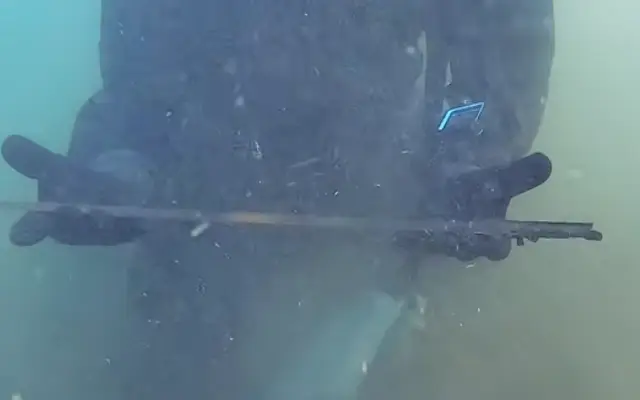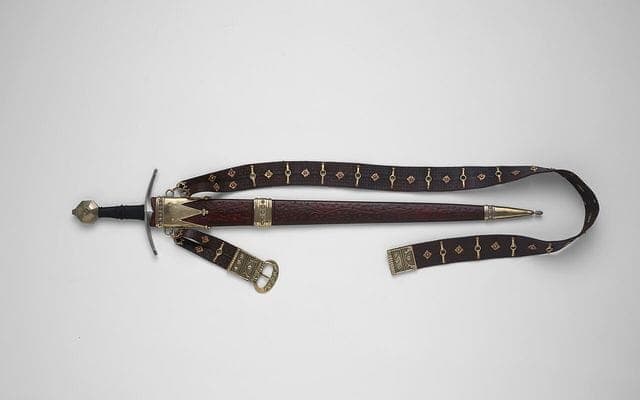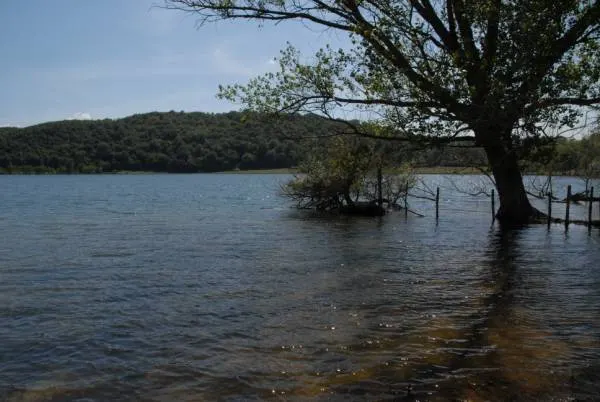
A bronze sword, still sharp, has been recovered from the waters of Lake Mezzano, in central Italy. According to Archaeology Magazine, which in turn cites an article by Gizmodo, the recovery was carried out by researchers from the Superintendency of Archaeology, Fine Arts and Landscape for the province of Viterbo and southern Etruria, together with the Carabinieri Underwater Unit of Rome. The sword has been dated to the 13th century BC on the basis of its shape and design, that is, using a typological approach. The sources consulted do not mention laboratory analyses or other dating methods.
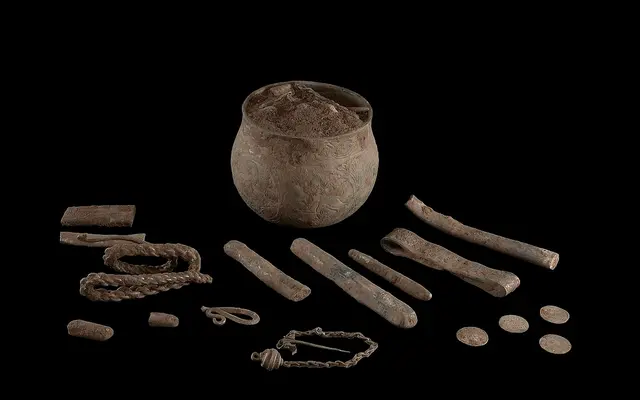
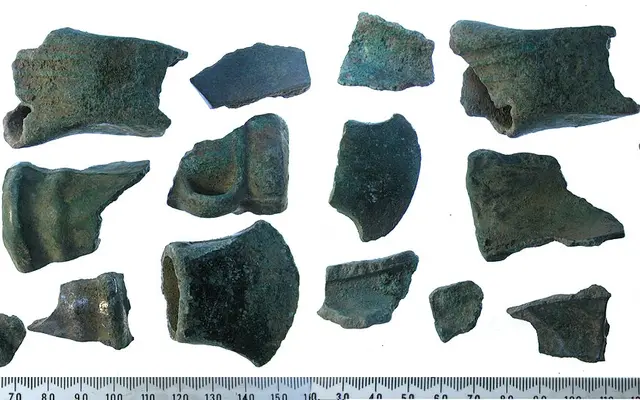
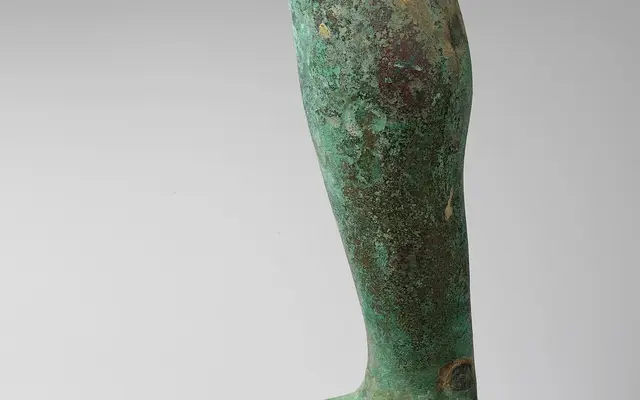
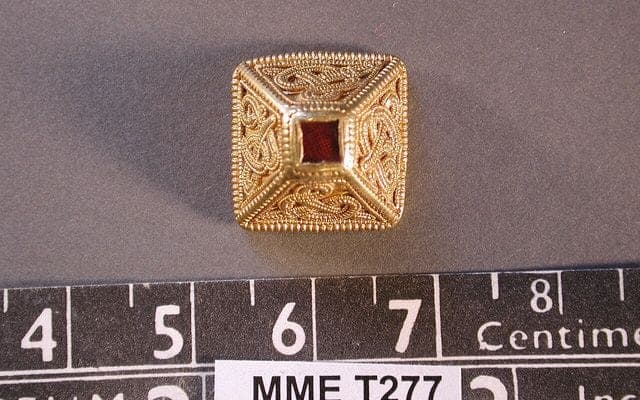
Other metal objects were brought to the surface along with the sword. The list includes axes, arrowheads, daggers, spearheads, pins and a razor. It is a varied assemblage, made up of both weapons and personal items.
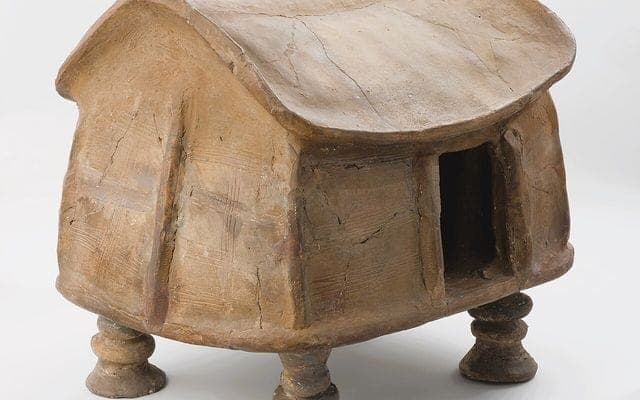
According to the reports, the group of finds suggests that during the Bronze Age a settlement of houses built on stilts, that is, a pile-dwelling village, stood in this area. This is a hypothesis based on the set of finds and should be read as such, not as an established fact.
The same objects may have been deposited in the lake by inhabitants as part of ritual or cultic practices. Offering valuable goods to water is a form of deposition that archaeologists recognize in several prehistoric contexts. Here too, a ritual reading remains a possible interpretation, not a confirmation.
In a feature, Archaeology Magazine also recalls how Neolithic and Bronze Age farmers built lakeside villages on stilts in the Alpine region as well. That topic is covered in the article "Pioneers of Lakefront Living."
For metal detectorists, the story is a useful reminder. Finds like these were recovered by an institutional team, with the participation of specialists in underwater work. The scientific value of a bronze depends on the context in which it lies: its position, its association with other objects and the surrounding sediment. Once removed without documentation, that context is lost forever.
In Italy, archaeological goods belong to the State. A chance find must be reported to the competent authorities, such as the Superintendency or the Carabinieri Cultural Heritage Protection Unit (Nucleo Tutela Patrimonio Culturale). The sources provide no further details, such as the depth of the recovery, the exact number of pieces or the timing of the operation. For this reason, aspects such as the study of the materials, their possible display and the extent of the settlement remain to be clarified.
The Mezzano case nonetheless shows how lake and wetland environments can preserve ancient metals in surprising condition. A blade still sharp after more than three thousand years is an example of this preservation. Developments in the study should be followed through the official communications of the Superintendency.