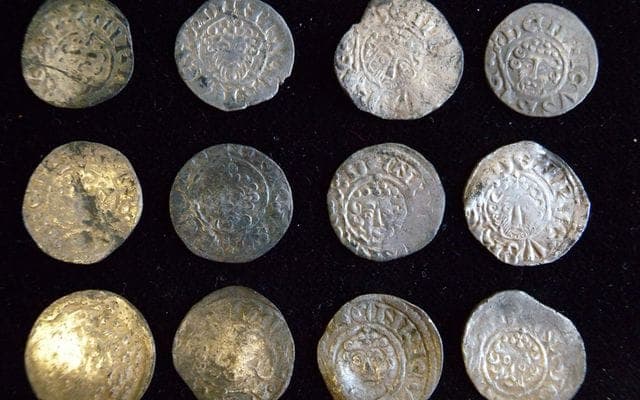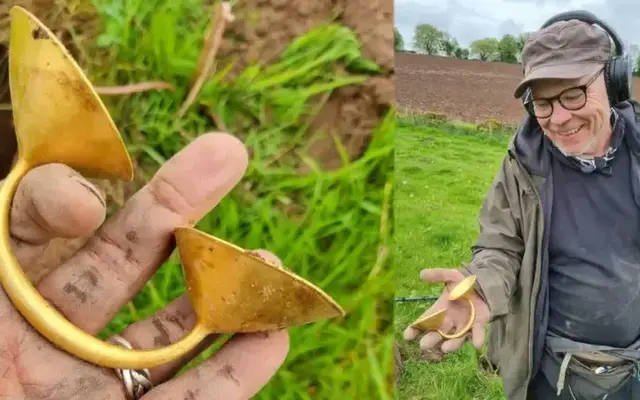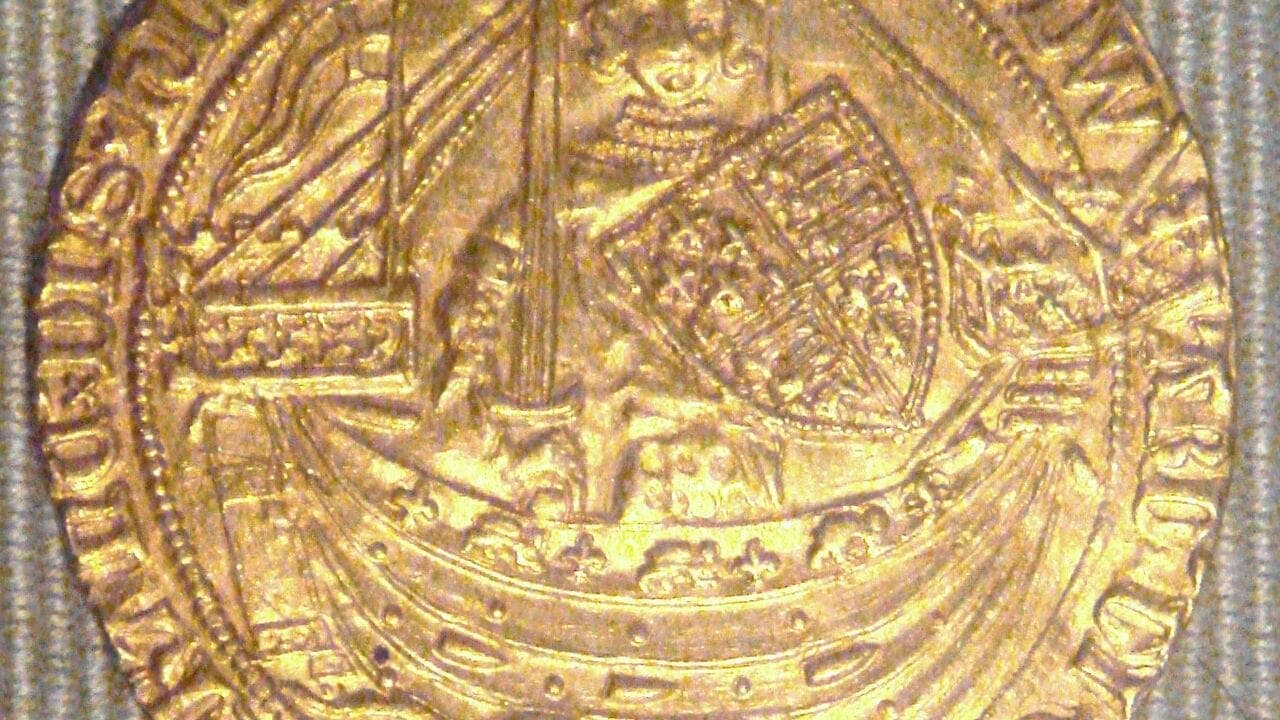
A metal detecting enthusiast in England has recovered two extremely rare gold coins dating to the mid-14th century, the years when the Black Death was devastating the country. According to Live Science, which cites a statement from the Portable Antiquities Scheme (PAS) dated 17 June, the find was made in October 2019 near the town of Reepham, in Norfolk. Only now have PAS archaeologists completed their assessment of the finds.
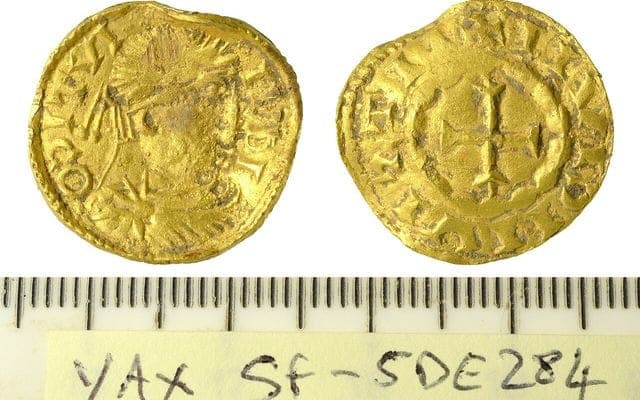
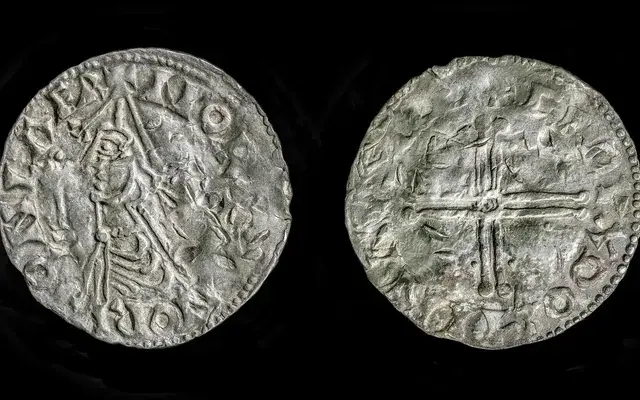
Both coins depict Edward III, the monarch who from 1344 sought to introduce gold coinage into England. The first is a leopard, also called a half florin, issued between January and July 1344. It was considered a failed issue: minting costs were too high, and the value assigned to the coins overvalued gold relative to silver.
To correct these problems, Edward III introduced new coins from July 1344 until 1351, the year the second coin found was minted. It is a gold noble, weighing almost 7.7 grams, more than twice the roughly 3.5 grams of the leopard. The new system provided for florins (or double leopards), leopards and helms (or half leopards).
The two pieces are in good condition. The coins had been folded in half but are otherwise well preserved, with slight signs of wear that experts probably attribute to agricultural work on the land. The leopard is 23 carat, meaning roughly 96% pure gold, as specified by the PAS.
As for how the coins ended up in the ground, archaeologists propose two hypotheses. According to the PAS, 'it seems likely that both were buried at the same time, either as the loss of a purse or as part of a hidden hoard'. Whether this was an accidental loss or an intentional deposit therefore remains open.
The leopard is particularly remarkable. As Helen Geake, finds liaison officer at the PAS, explained to the BBC, only a few of these coins were minted and 'very few have survived'. Today only three leopards are held in public museums. Also according to Geake, the owners of the two coins belonged to the upper echelons of society: at the time, their combined value equated to about £12,000 today, or roughly $16,700.
The historical context helps explain the rarity of the find. After the Norman Conquest of the 11th century, only silver pennies circulated in England. As Geake recalled for the BBC, Edward III decided to reintroduce gold coins into the country for the first time since Anglo-Saxon times, though the reasons for this are not known. The new denominations, however, were not successful with the population. Geake suggests that, at a time when one or two pennies equalled a day's wage, very few people used them because the denominations were too high.
The legal status of the finds remains to be determined. The PAS, a scheme run by the British Museum and National Museum Wales to record and protect archaeological objects found in the United Kingdom, explains that if the local coroner (an independent legal official) opens an inquest, the coins could fall under the definition of 'treasure'. The term refers to two or more silver or gold coins from the same find, at least 300 years old.
The case shows the value of collaboration between metal detectorists and institutions. A find that is properly reported and documented, even if it consists of just two coins, can add an important piece to the monetary history of an era marked by health and economic crisis.