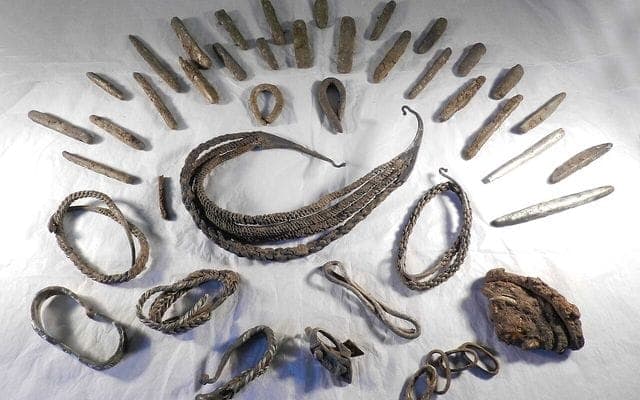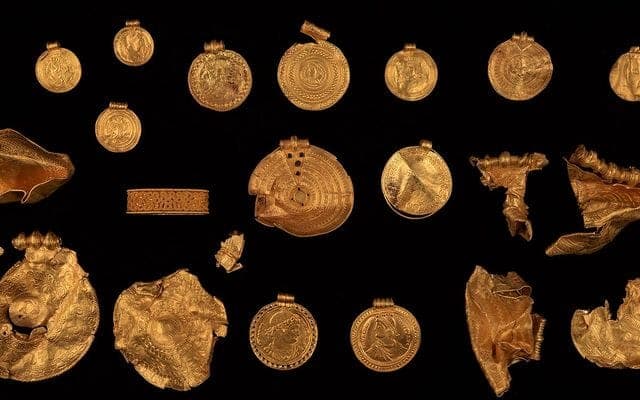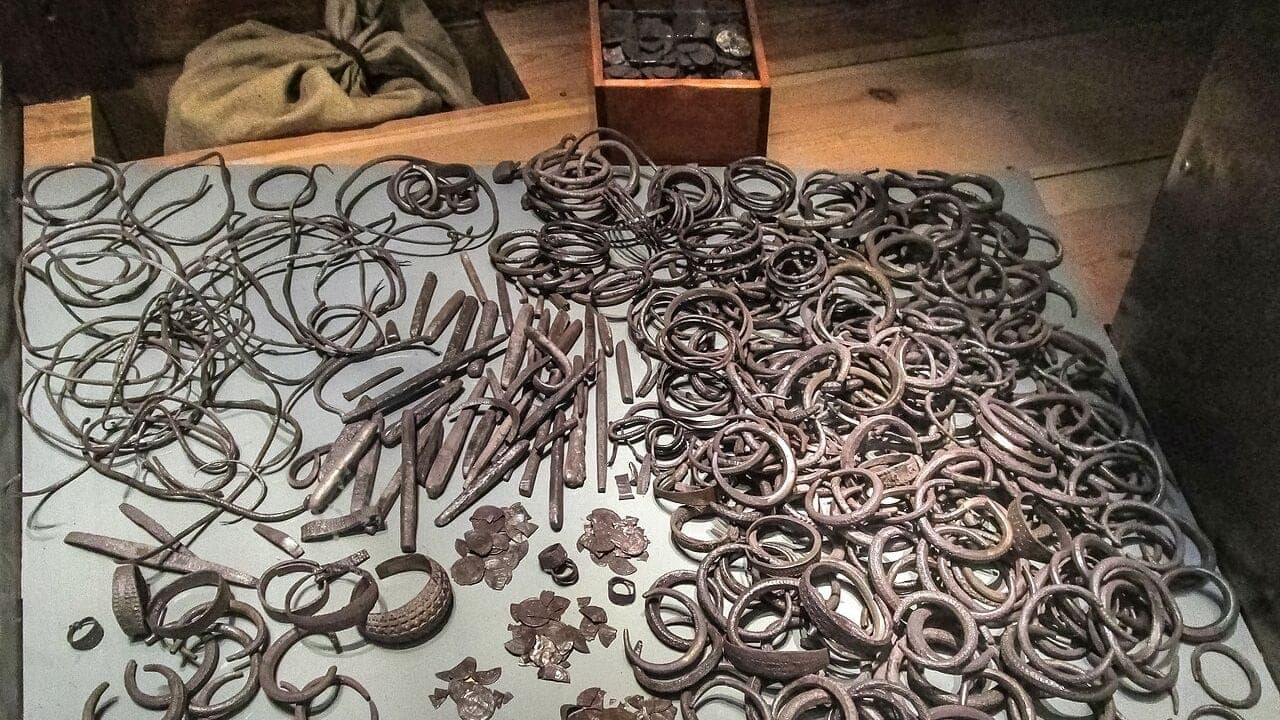
A homeowner in Denmark has discovered the largest silver hoard from the Viking Age ever known in the country while digging in their own garden. According to Live Science, citing a press release from the North Jutland Museums, the find consists of more than 18.5 kilograms of silver, roughly 1,000 years old. The discovery was made in spring in the municipality of Rebild, in North Jutland. The person, who has remained anonymous, was preparing the ground for a new tiled terrace, a job that was meant to take only a few hours of clearing grass, stones and gravel. At one point the tool struck something that made an unusual sound. “It was supposed to be a few hours of hard work in the garden, but it turned out to be the biggest surprise of my life,” the person said in the press release.
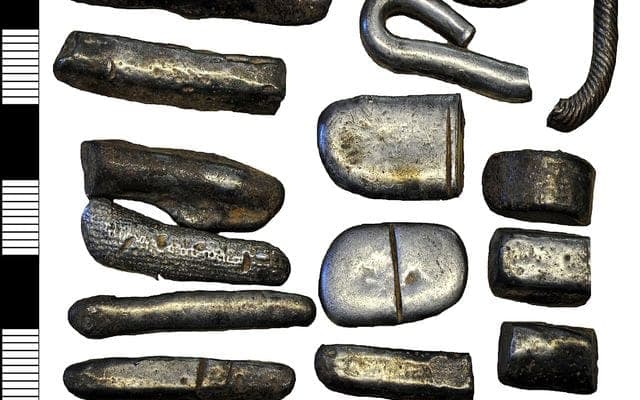
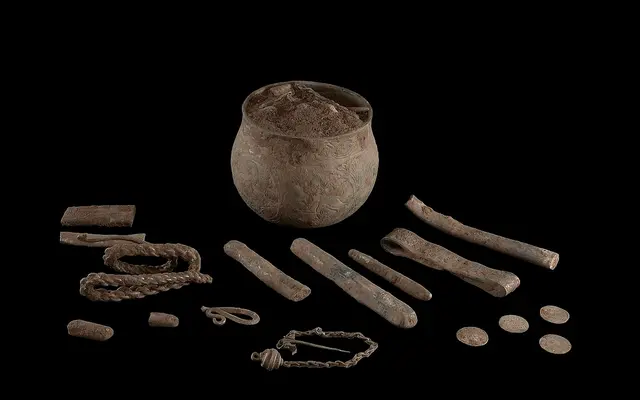
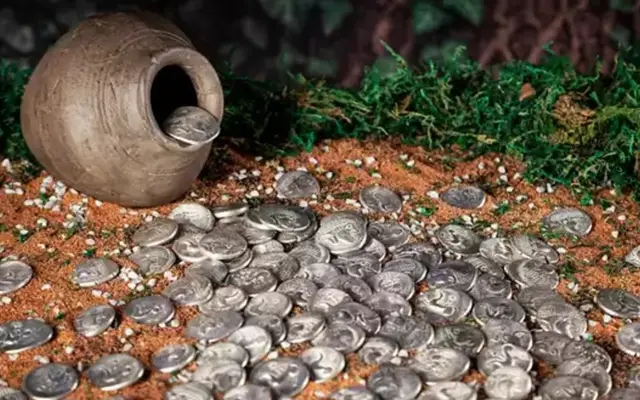
The hoard includes about 700 silver objects: ingots, jewelry, 47 whole coins and coin fragments, and a small Thor's hammer, a symbol often interpreted as protection and as evidence of the owner's adherence to Norse religion. About 320 objects were kept in a clay pot, while the rest lay in the surrounding soil. The hoard is almost three times larger than the previous Danish record for the Viking Age, which spans from 793 to 1066. One of the ingots bears a runic inscription that could be read as “hutu.” According to the press release, it may be a personal name or a property mark.
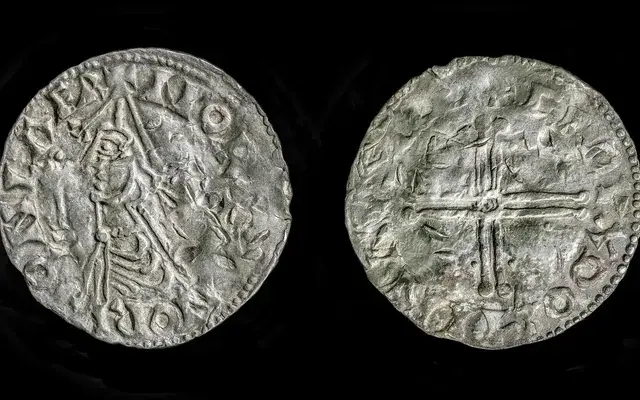
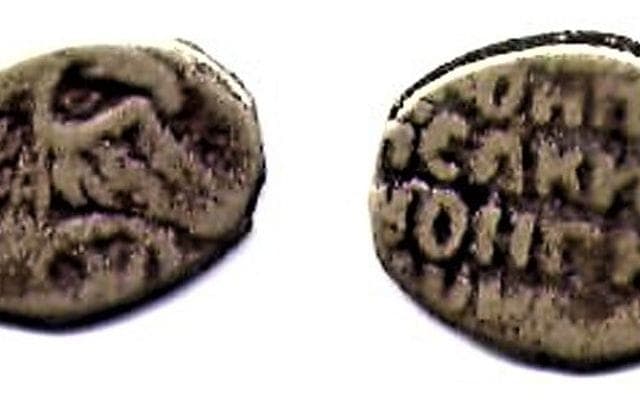
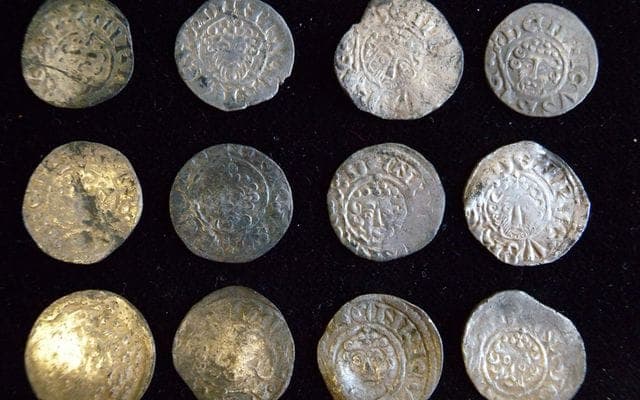
Among the coins are two Anglo-Saxon pennies minted under King Edward the Elder, who reigned from 899 to 924. This places the hoard in the 10th century, about 1,100 years ago. There are also Islamic coins which, together with the Anglo-Saxon ones, document the strong ties of Viking Denmark with large areas of Europe and with distant eastern regions, as explained by Torben Sarauw, head of cultural heritage at the North Jutland Museums. The scientific value of the complex is not only aesthetic. According to Sarauw, studying the weights of the objects reveals information about the economic practices of the time: “The hoard is not just made up of beautiful objects. Most of them are part of a value system structured by weight.” In fact, all the ingots and some of the bracelets and silver fragments can be sorted into precise weight groups, a sign that the set was an organized store of wealth rather than a random collection.
For metal detectorists, the story is a reminder of how significant chance finds on private land can be, and how important it is to report them promptly to the competent authorities, which allows the context and weight of the objects to be studied. In this case the find was not made with a metal detector but during gardening work, and the site is identified only at municipal level to protect it. The sources consulted also note that interest in Viking treasures runs high elsewhere. Among the recent cases cited is the largest Viking Age silver hoard in Finland, located by an enthusiast with a metal detector, and a Danish find of Viking pennies made by melting down Islamic coins. The new Rebild find adds to this picture and offers scholars fresh data on how wealth was accumulated, weighed and hidden in tenth-century Denmark.