Anyone who sifts sand and gravel from a creek knows the moment something yellow flashes in the gold pan and the heart starts racing. Right after comes the question that decides the rest of the day: is it real gold? According to the guide published by Serious Detecting and signed by Evan K, there is no need to guess. Eyes, hands and the gold pan itself are enough, and within a minute you reach a reliable answer.
The two most common impostors are pyrite, an iron sulfide long known as 'fool's gold', and mica, the glittering flakes that dot the sand of watercourses. The rule to keep in mind, summed up by the author in an effective formula, is that gold 'shines with its own light' while fool's gold 'sparkles'. In other words, gold keeps a steady gleam, while pyrite and mica reflect light intermittently.
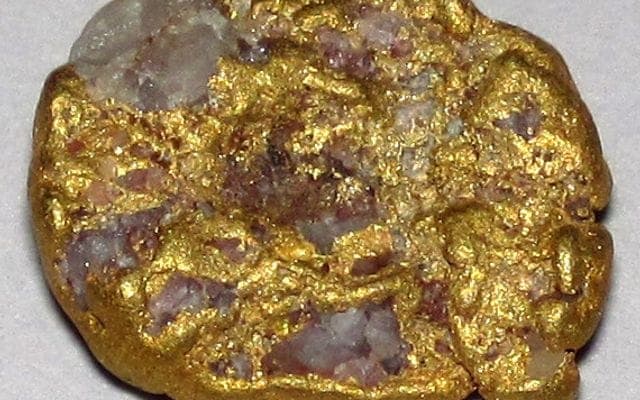
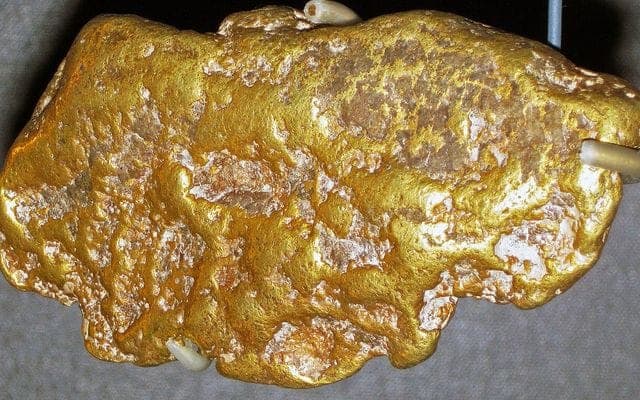
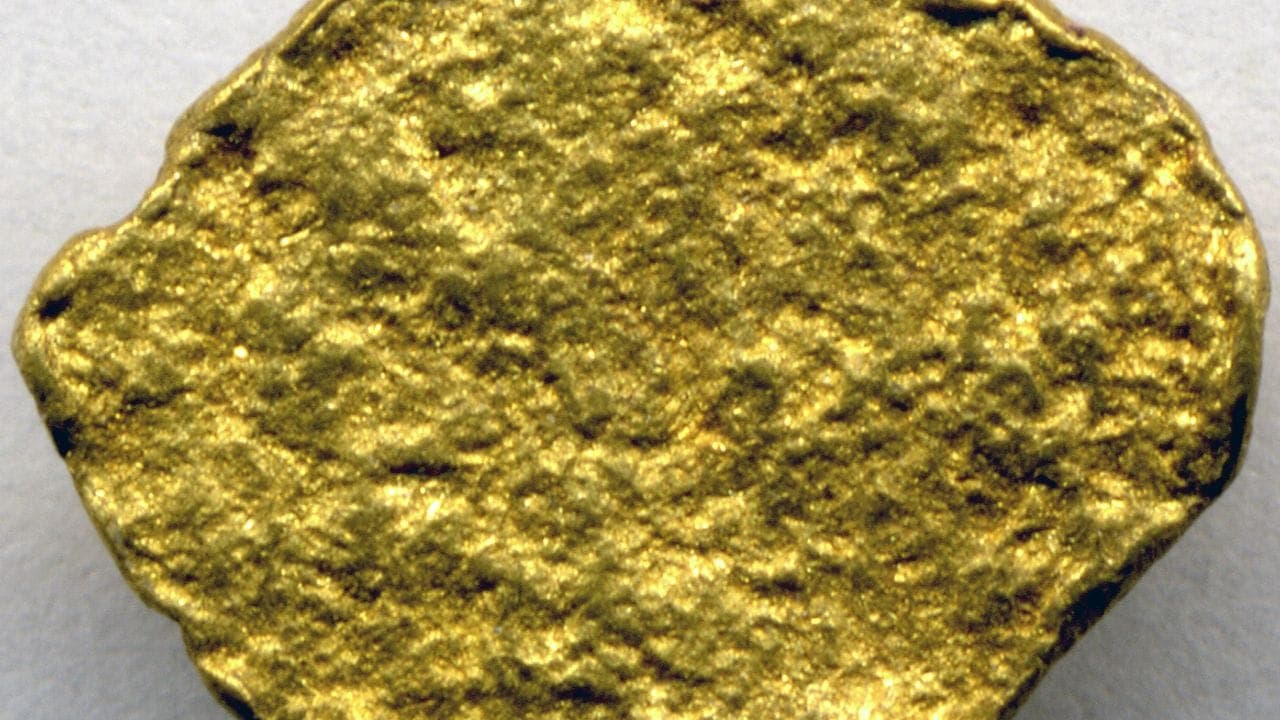
The first comparison is color. Native gold has a warm, buttery yellow tone that stays the same from every angle and under any lighting. Pyrite looks paler and brassy, with a cool, silvery undertone. The difference becomes obvious as soon as the sample is placed in shade, which is why shade testing is the first check to make.
The second clue is shape. Pyrite grows in crystals: cubes with sharp edges, squared clusters and flat faces that look machine-cut. Placer gold, that is alluvial gold, has instead been rolled by water for very long periods and appears as rounded flakes, soft-edged grains and lumpy nuggets with smooth rims. If you see right angles and flat crystalline faces, you are holding pyrite. The third clue concerns behavior in light: when you rotate the piece, pyrite flashes as its different faces catch the sun, like a tiny mirror switching on and off, while gold keeps the same gleam from any side.
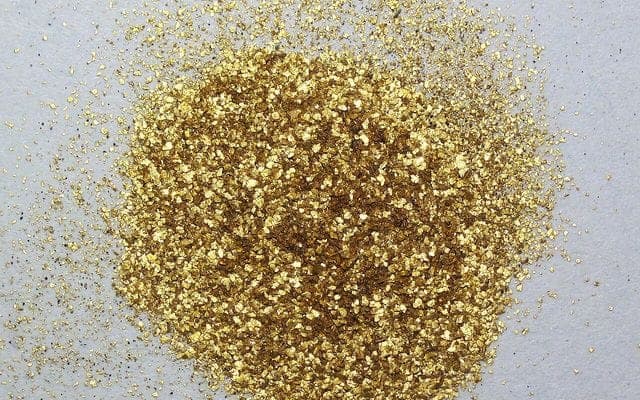
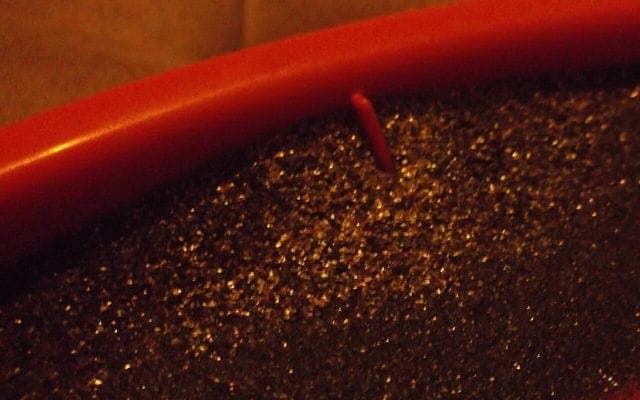
The real problem arises with tiny flakes, which show neither crystalline faces nor the shape of a nugget. Here, the guide warns, what beginners mistake for 'fake gold' in creeks is almost always mica and not pyrite, and the best detector is the gold pan. Gold weighs about 19 times as much as water and is roughly seven times denser than mica. When you swirl the pan, gold flakes sink straight to the bottom and stay put, as if stuck in the crease. Mica, on the other hand, lifts, wobbles, hangs suspended and is carried over the edge even with a gentle swirl. Anything that leaves the pan on its own, the author notes, was not gold.
To sum up the tests in practical order: the first is the shade test, where you cover the sample with your hand or your body. Gold stays yellow, pyrite dulls to a greyish brass, and mica turns dark, silvery or nearly invisible. A 'golden streak' in the sand that sparkles like a disco ball in the sun and vanishes in shade is always mica. The second is the needle test: press the piece with a straight pin, a knife tip or a fingernail edge. Gold is a soft metal (according to the source, between 2.5 and 3 on the Mohs scale) and it dents, bends or flattens while staying intact. Mica splits into thinner layers, while pyrite snaps or crumbles into dark powder.
One habit the guide recommends is to keep your doubts. Fine gold flakes are so small that they deserve a second look at home, under magnification. A one-ounce glass vial and a squeeze bottle, the classic snuffer bottle, mean you do not have to blow uncertain samples out of the pan while still at the creek. It is simple advice, but it saves the regret of throwing away real grains out of misplaced caution.
Serious Detecting's article also addresses the most delicate topic, gold in rock, that is, gold-bearing ore. That part of the guide is not, however, available in the text we were able to consult, so we leave it aside without adding unverified details. What remains central is an observation the author presents as often overlooked: finding pyrite is actually a good sign. It does not supply gold, but it indicates that you are working in an environment where heavy minerals concentrate.
For those who search with a metal detector in areas with watercourses, the method remains useful even beyond actual prospecting. Shade, needle and gold pan are free, immediate and non-destructive tests, suited to settling a doubt in seconds before deciding whether a find deserves attention. With some practice, after a season with the gold pan, telling an authentic glint from a deceptive one becomes almost automatic.