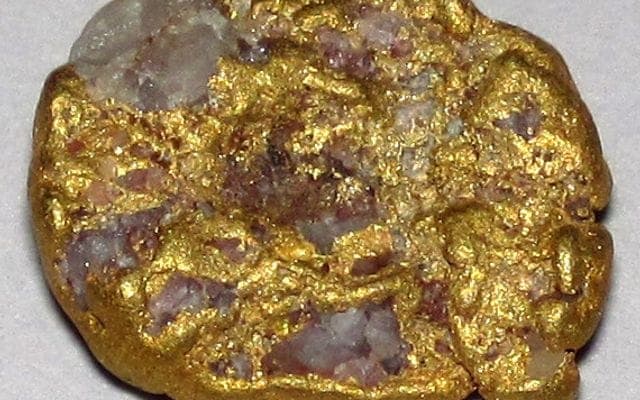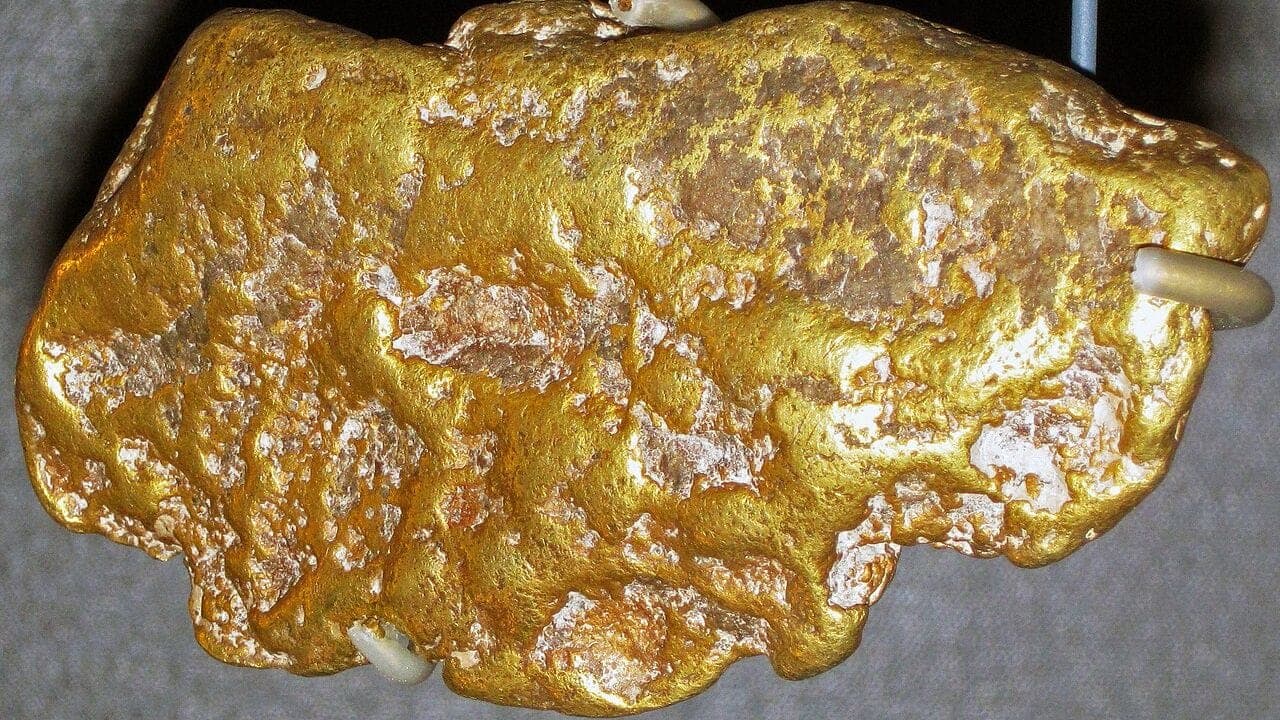
Anyone approaching gold prospecting with a metal detector or a batea (gold pan) often starts with a mistake in approach: walking for long stretches along a watercourse and hoping for luck. In reality, gold concentrates in predictable spots, for very precise physical and geological reasons. According to the guide published by Serious Detecting, whose prospectors say they have worked from the dry beds of Arizona to the streams of Michigan, the rule holds everywhere: the metal is found where geology and gravity have already done much of the work. It is therefore best to start from the origin.
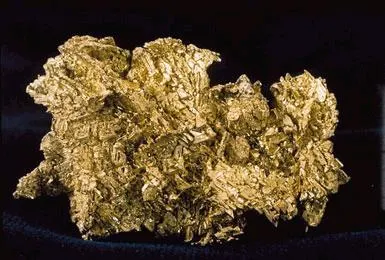
Every flake or nugget recovered was born in hard rock. The first type of deposit is the primary one, called lode or in-rock. It forms deep down, when superheated water rich in minerals is forced through the fractures of the Earth's crust. As it cools, this hydrothermal fluid deposits gold together with quartz and sulfides inside the fissures, creating veins. Fault zones, ancient volcanic belts and contact lines between two rocks of different natures are the classic settings where they are sought. Historic districts such as the Mother Lode in California or the Ropes mine, near Ishpeming in Michigan, arose precisely on structures of this kind.
For those using a metal detector, the actual vein is a target for experts. More within reach is so-called float: fragments of vein broken away from the source by weathering, which can be intercepted with the detector. Alternatively, suspect rock can be crushed and sampled. Tracing a vein back to its origin is advanced work, but finding rich float with the detector is, according to the source, a perfectly realistic result.
The second type is the placer, that is, what happens after erosion has attacked the vein. Rain, ice and gravity break down the host rock over millions of years and carry the freed gold downstream, into gullies and watercourses. The reason this metal stops so soon is its density: it is about 19 times heavier than water and about six or seven times heavier than common sand and gravel. It sinks at the first opportunity and does not travel further than the current forces it to. All placer prospecting techniques are based on this principle, whether batea, sluice or dredge. The material is agitated, the gold sinks to the bottom, and lighter material is carried away.
Within placers, the source distinguishes two useful variants. The first is residual or eluvial gold, found on slopes just below an eroding vein and therefore having moved very little from its origin: an excellent target for the metal detector. The second consists of terrace deposits, that is, ancient river gravels left suspended on terraces above the current riverbed when the river cut a deeper channel. According to the guide, prospectors of the past made their fortunes on these terraces, and many were never fully exploited.
Moving to the stream, gold is not transported evenly. It accumulates where the current slows or where the bottom physically traps it, and reading the water as a series of traps helps decide where to sample first. The best-known case is that of bends. In a curve, the current runs fast on the outside and slows on the inside, where heavy material settles. This is why the gravel bars on the inner side, called point bars, are the first spot expert panners check. The source recommends digging down to the base of the bar rather than limiting oneself to the surface, because over time gold sinks through the gravel.
The second trap is bedrock. Gold sinks into loose gravel until it meets something solid, namely bedrock. Cracks, fissures and potholes in exposed rock work like the riffles of a sluice and hold the metal even after repeated floods. Where bedrock outcrops in the stream or alongside it, the guide advises emptying the cracks completely with a dedicated crevice tool and a stiff brush, and being patient: this is how you recover what the shovel cannot reach. Clay-filled cracks are particularly promising, because the clay seals the gold in place.
The third trap is any large obstacle in the current, which creates a nearly still pocket of water on the downstream side where heavy material comes to rest. The source suggests sampling behind and beneath boulders, under fallen logs, and around the foundations of bridges on watercourses with a productive history.
The picture that emerges is simple and applies outside the United States too: you need to reason from the top down. Identify the geological context that may have generated veins, follow the path of erosion downstream, then look for the points where water and gravity have held the metal back: bends, bedrock fissures, obstacles, ancient terraces. The original guide also addresses legal access to sites and methods for verifying that an area really contains gold before investing a lot of time in it. For those working in Italy, these aspects must in any case be assessed in light of the local regulations in force before getting to work.