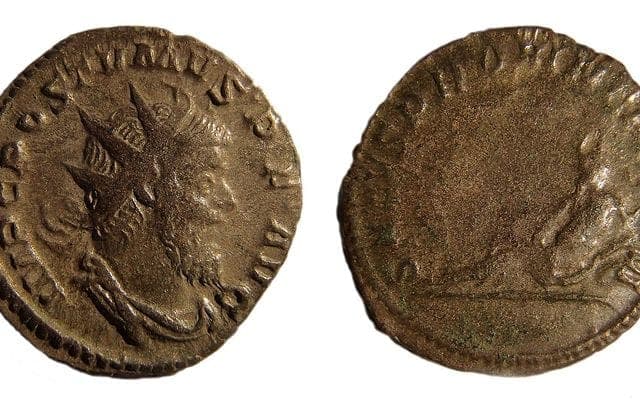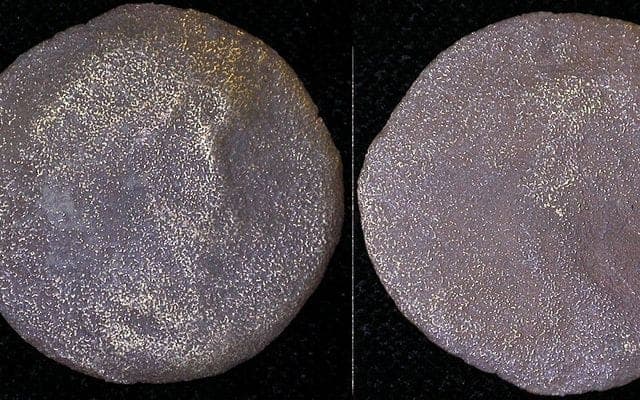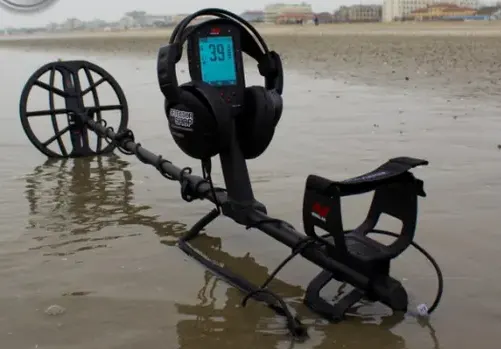
Anyone who recovers a coin with a metal detector almost always has the same impulse: rinse it right away and remove the dirt. According to the guide published by Serious Detecting, however, more value is actually destroyed at the kitchen sink than underground. The dirt built up over a century, so ten minutes spent choosing the right method are well spent. The same reasoning applies to coins from an inherited jar or a lot bought at a flea market.
The starting point is a counterintuitive rule: cleaning a coin almost never increases its collector value. It can only preserve it or reduce it. For this reason, the first question to ask, before using water, a brush or chemicals, is whether the piece could really be worth something. If the date and mint mark are legible, it is worth checking them. The guide cites silver dollars, the first American “wheat” cents, Indian head coins, Barber and Seated series, and in general anything dating before 1900 as examples, all of which deserve a value check before any intervention. Collectors pay for original surfaces, and aggressive cleaning can halve the value of a piece or do worse. Those who evaluate coins recognize a cleaned specimen at a glance.
The second step is recognizing the metal, because each alloy degrades in its own way. Silver comes out of the ground looking surprisingly good: tones from grey to black, but a smooth surface. Copper comes out rough, from brown to green, sometimes encrusted. Modern “clad” coins, such as American dimes and quarters, show the copper strip on the edge. Nickels turn a dull greenish grey and often look worse than they actually are.
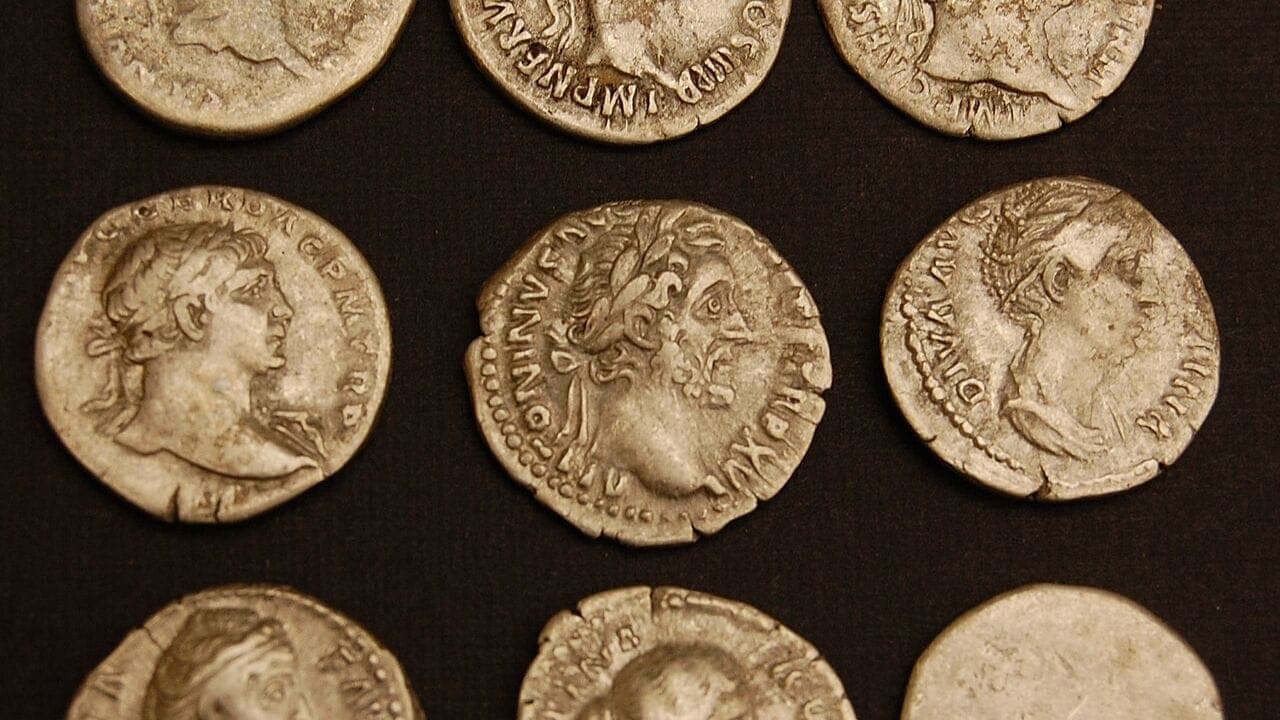
With silver, the watchword is moderation. Tarnishing is a thin sulfide film, not damage, and many collectors prefer it. Removing it from a collectible coin is the classic beginner's mistake. The recommended approach is gradual: start with the gentlest treatment and stop at the first one that gives the desired result. Most found silver, the guide notes, requires nothing more. Damage almost always comes from a few very specific causes, and avoiding them is enough to avoid most trouble.
Junk silver is different: worn silver coins with common dates and no collector value, kept only for the worth of the metal. Here the rules are looser: a baking soda paste worked with the fingers brightens them without problems. The warning is clear, however: you must be certain the coin has no collector value before starting, because there is no going back afterwards.
Corroded coins are usually copper and are the hardest to clean well. Wheat cents, Indian heads and older coins emerge with anything from a light brown patina to a thick green crust. It should be understood that the smooth patina, brown or green, is a stable mineral layer, and the coin's details often lie precisely there. If it is removed, what lies beneath is pitted metal with no relief. The goal with corroded copper is therefore to remove loose dirt and encrustations while leaving the patina intact.
Two things not to do with these coins. The first is using vinegar or lemon juice: the acid eats away the patina, leaves the copper a raw pink, and the coin corrodes again, worse than before. The second is relying on ketchup, Coca-Cola and other household remedies of this kind, which give the same result for the same reason.
A lucky outing often ends with a handful of modern coins, and nobody hand-washes forty quarters. The guide proposes two methods for large quantities. The first is the bucket method, at no cost: put the day's coins in a container with lukewarm water and a drop of dish soap, shake occasionally for an hour or two, rinse in a colander and let them dry on a towel. The result is clean enough for the bank or a coin-counting machine. If the lot is very dirty, a second pass with a little baking soda in the container speeds up the work.
The second is the tumbler, which the guide identifies as the standard among detectorists. A rotary or vibrating tumbler, with water, a little dish soap or tumbling abrasive media, and one or two hours of operation, turns encrusted clad into coins ready to be counted. The source also mentions more aggressive solutions, such as electrolysis, but in the part available it does not detail their use, and they are best reserved for cases where there is no collector value to protect.
In short, the sequence is always the same: assess whether the coin could be worth something, identify the metal, choose the least invasive method, and stop as soon as the result is enough. An extra hour of waiting costs little; a wrong cleaning cannot be undone.