Most people who take up metal detecting do it out of passion: the pleasure of being outdoors and the small mystery of every signal. Some detectorists, however, use the hobby to recover their costs or supplement their income. The US-based site Serious Detecting has published a guide to the best places for those who want their finds to at least pay for their equipment. Here we draw some general principles on choosing a site from the first categories it describes.
The starting point is a realistic expectation. For most enthusiasts, metal detecting is not a way to get rich. Stories of exceptional finds make headlines, but the chances of such a find happening to us are very low, and no method should be built around a one-off discovery. A sensible approach is instead to frequent the places where lost objects pile up: those where many people have gathered, swum, played or lived for a long time.
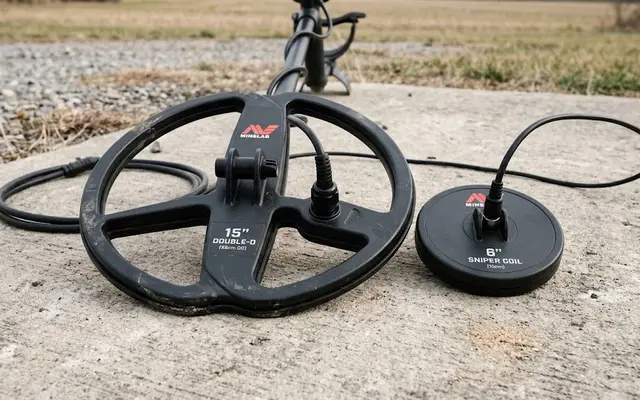
Cost matters too. A good detector and accessories are an investment, and to that you must add pinpointers, digging tools and, above all, time. Choosing carefully where to spend your search hours matters as much as the machine you hold.
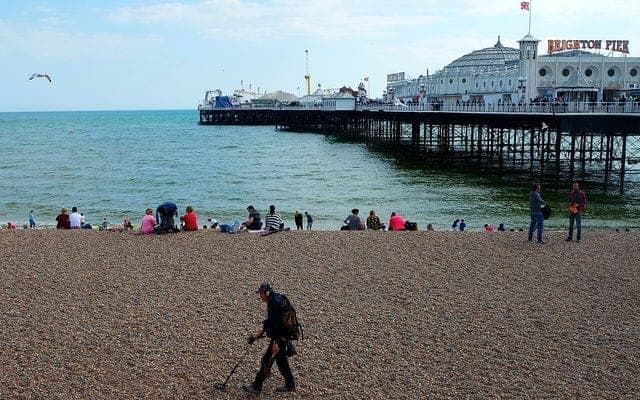
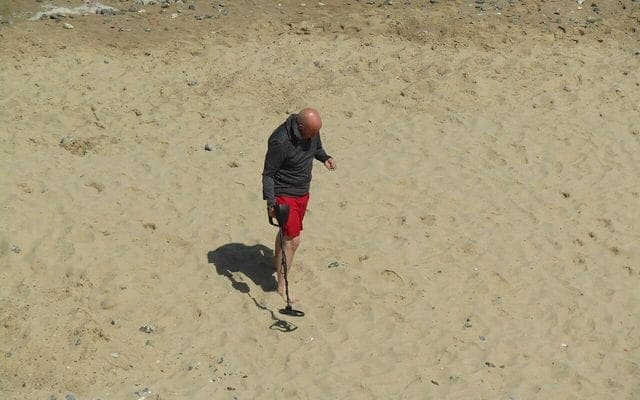
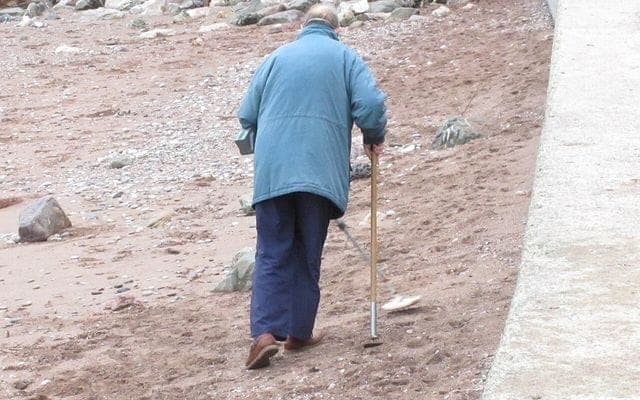
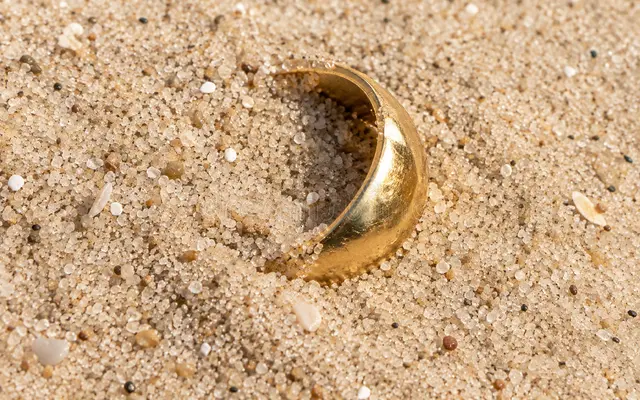
Beaches are named as the first source of finds. Fingers made slippery by sunscreen lose rings in the water, chains break during a swim, and coins fall out of pockets into the sand every day. The guide suggests concentrating on the area where people spread their towels and on wet sand down to the shallow water, where jewelry slips off more easily. After a storm or in rough seas, erosion can expose older layers. You need a sand scoop and a detector that can handle wet, salty sand without false signals; the guide cites the Minelab Equinox 900 as an example. As a reference for learning to read a beach, it recommends Gary Drayton's book, How to Find Old Coins and Artifacts at the Beach.
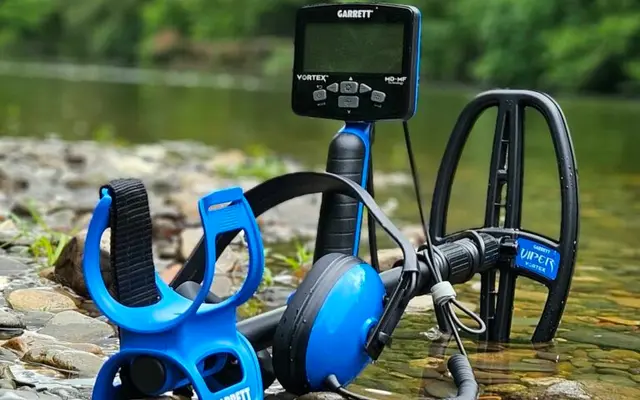
The same applies to every place where people swim. Cold water causes fingers to shrink, and rings slide off without the owner noticing. Old bathing areas, lakeside beaches, river sandbars and the shallow waters around piers and diving ropes can hold gold and silver for decades. In these environments, according to the guide, a waterproof detector, a scoop and good headphones are enough; for technique it refers to Water Hunting with a Metal Detector, also by Drayton.
Public parks are the classic ground for coin hunting. The older the park, the better: one opened in the 1920s has had a century of picnics, matches and concerts scattering coins and jewelry across the ground. It is worth working around the oldest trees, near benches and pavilions, and along the paths between parking lots and playgrounds. The source points out that ancient silver coins and rare-date coins are worth far more to collectors than their face value. Tumbling is useful for modern coins, but ancient or collectible coins should never be cleaned this way, because cleaning destroys their value.
Sports fields, from soccer to baseball, see thousands of people running, sliding and competing for the ball. Rings, chains, earrings and banknotes fall constantly, and the areas along the sidelines, the stands and the grassy parking areas can be as productive as the playing field itself. According to the guide, school grounds and community sports centers are often searched much less than parks, so the chances can be surprisingly good. The advice is always to ask permission first and to search when the field is not in use.
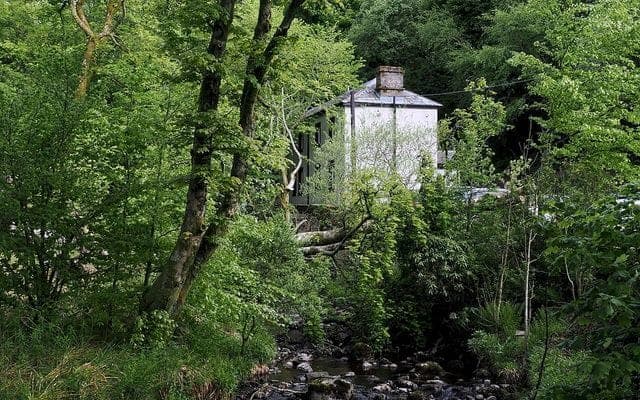
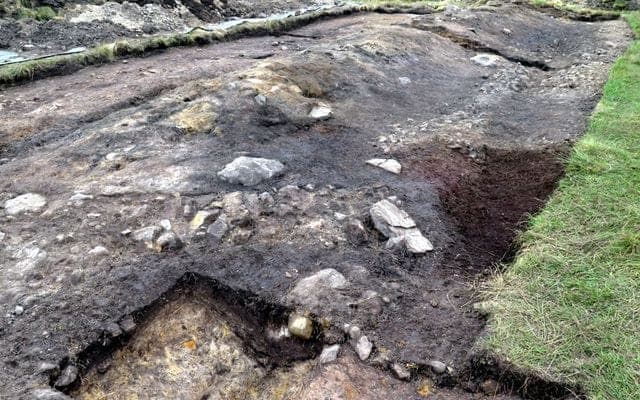
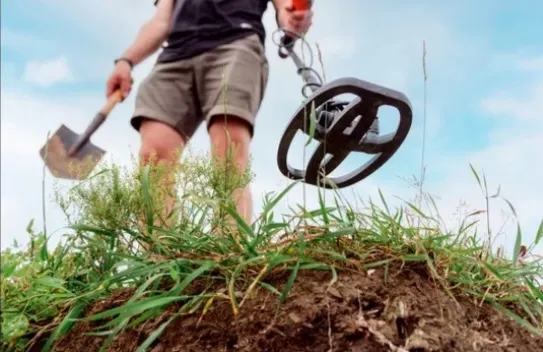
The last category we can report concerns old homesites. Before banks became widespread, many people buried their savings, and this is where searching for hiding places can pay off. Look for foundation stones, old wells, ruined cellars and large shade trees where a house once stood. Besides hoards, you can find coins lost in the yard over generations, buttons, buckles and other items sought by collectors. For further reading on the subject, the guide refers to a text by Charles Garrett on treasure hiding places.
Beyond the individual sites, the logic is the same: where there has been intense and prolonged human presence, there are more lost objects. Beaches, bathing waters, parks, sports fields and old homesites share this feature, and each requires suitable equipment and technique, from the sand scoop to the waterproof detector and headphones.
One practical warning remains: before searching any site, especially school or municipal property, you need the permission of whoever is responsible for it. The original guide devotes space to the rules to follow, and in Italy too it is wise to check local regulations before going out.