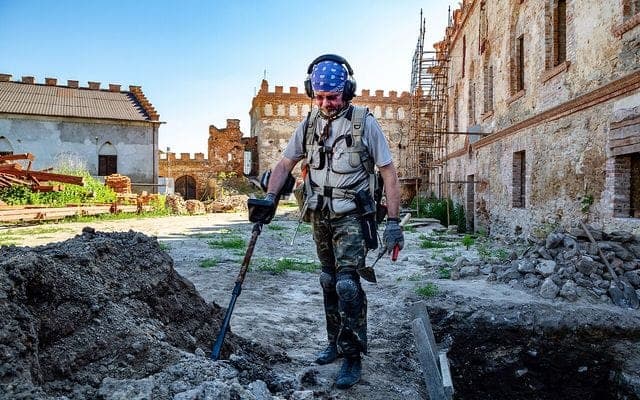
For many detectorists, autumn is one of the best times of year to get back out. After months of hard ground, tall grass and fields off-limits because they were under crops, the cold season brings a concrete change: harvested fields open up new areas, rain softens the soil and vegetation starts to recede. But autumn does more than make searching easier. It also changes how the detector behaves, and it can turn a field searched dozens of times into a site worth another visit. The idea comes from an article on the LP Metal Detecting blog, which we rework here in general terms.
The first factor is the return of moisture. After an especially dry summer the ground can become rock-hard and hard to dig; with rain, digging generally becomes easier and plugs can be cut and replaced more cleanly, especially on lawns and pastures. Moisture also affects the machine's response. A detector transmits an electromagnetic field into the ground and measures the response of conductive objects; soil conditions and mineralization influence that response, so the same site can behave differently depending on whether it is wet or dry.
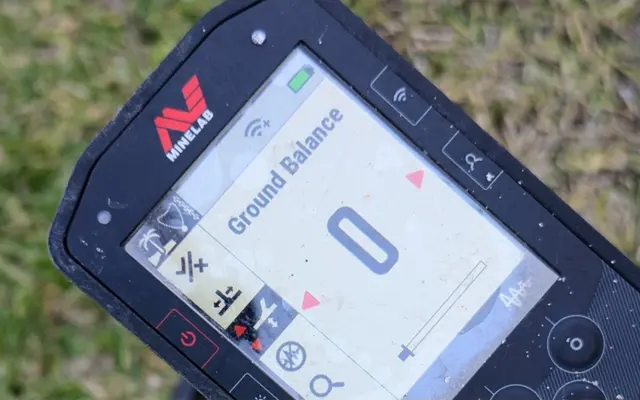
Be careful, though, not to get false hopes: wet ground does not magically make every target deeper or easier to locate. Soil composition, mineralization, detector settings, coil choice and the nature of the target itself all matter. The practical message is different: a field that seemed silent or difficult during a dry spell may deserve a new try when conditions have changed. In these cases, ground balance and sensitivity should also be checked again on site rather than taken for granted.
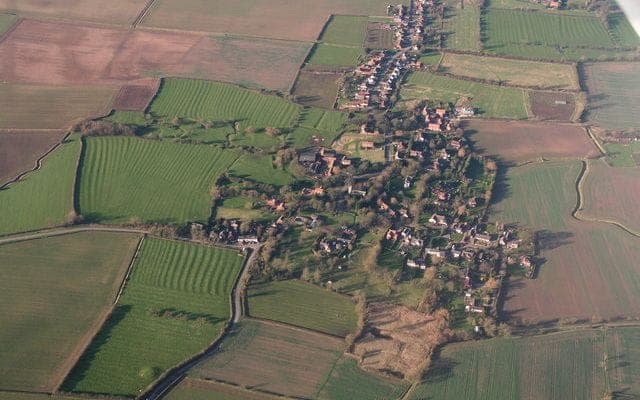
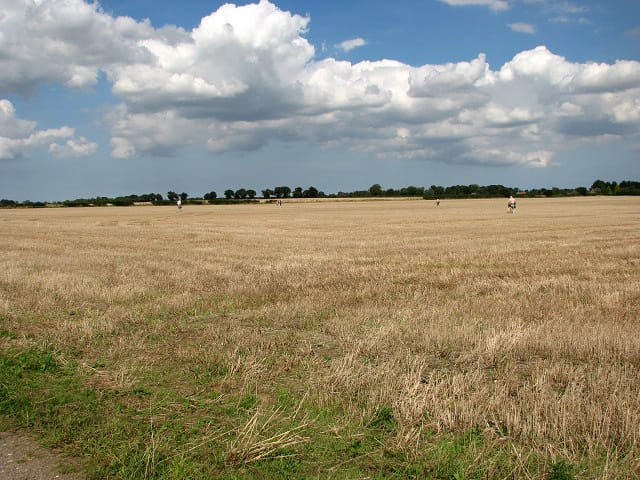
For those with permission on farmland, the harvest is one of the most anticipated moments. Fields covered in crops for months become accessible again. Stubble, if long, can still complicate the search, but once the ground has been worked it becomes much easier to sift it properly. One point remains firm: a harvested field is not automatically open. Landowner consent is always required, and it is good practice to check whether there are restrictions on when and where you can search. With a good permission on arable land, autumn can open up a few very productive months.
There is also the effect of tillage. Ploughing and soil movement can shift objects within the worked layer: targets that once lay deeper, sat at an unfavorable angle or were close to iron may end up in a completely different position. This does not mean every pass of the plough brings ancient finds to the surface, but detection conditions have changed. It is one of the reasons productive fields keep yielding material even after years of searching. If you have a field that gave good results in the past, do not discard it just because you have already covered it several times.
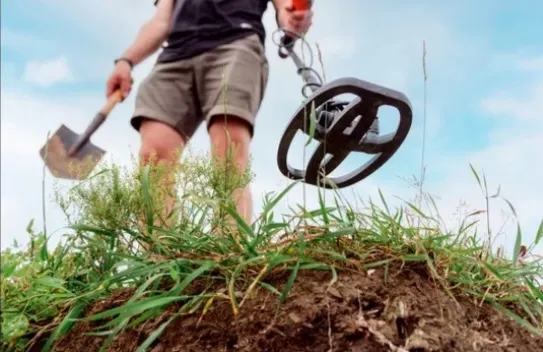
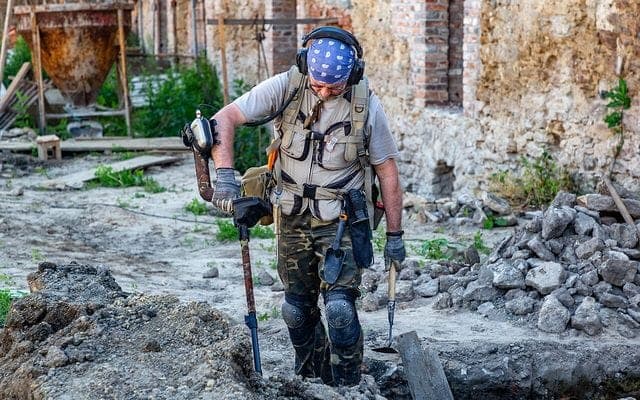
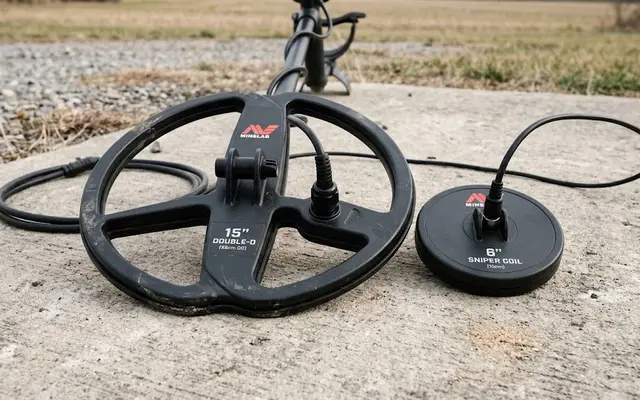
The sweeping technique also benefits from the season. With vegetation drying out and grass growing more slowly, it is easier to keep the coil close to the ground and maintain a steady motion. Even a small gap between coil and soil is equivalent to added distance between the detector and the target: keeping it low, level and controlled gives the machine the best chance of picking up the weakest signals. Softer ground also makes recovery easier and allows cleaner plugs to be cut; the right tool matters, whether a full-blade spade or something more compact. And the rule of respect always applies: take the time needed, close everything up properly and leave the smallest possible trace of your passage.
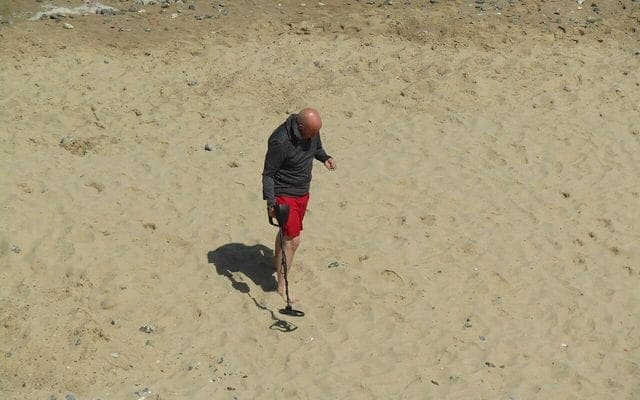
Finally, it is worth changing approach instead of retracing the same lines as last time. Try searching the field in a different direction, slow down the sweeping, overlap each pass more carefully and pay attention to weak or slightly ambiguous signals you may have ignored. Changing direction is especially useful near iron and close-together targets, where a good non-ferrous target next to a piece of iron can be hard to isolate, because the signal risks being masked. A different approach angle helps separate the responses and bring out what previously went unnoticed.
In short, autumn offers more workable ground, more access and conditions that have changed since summer. Making good use of it means looking at known sites with fresh eyes, adjusting the machine to the day's conditions and refining your technique. All of it, of course, within the rules, permissions and respect for the environment.