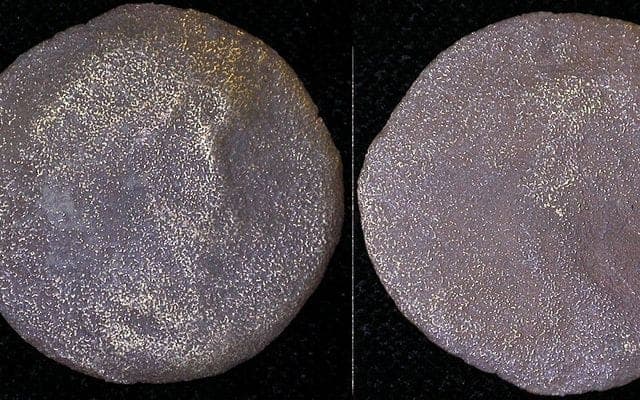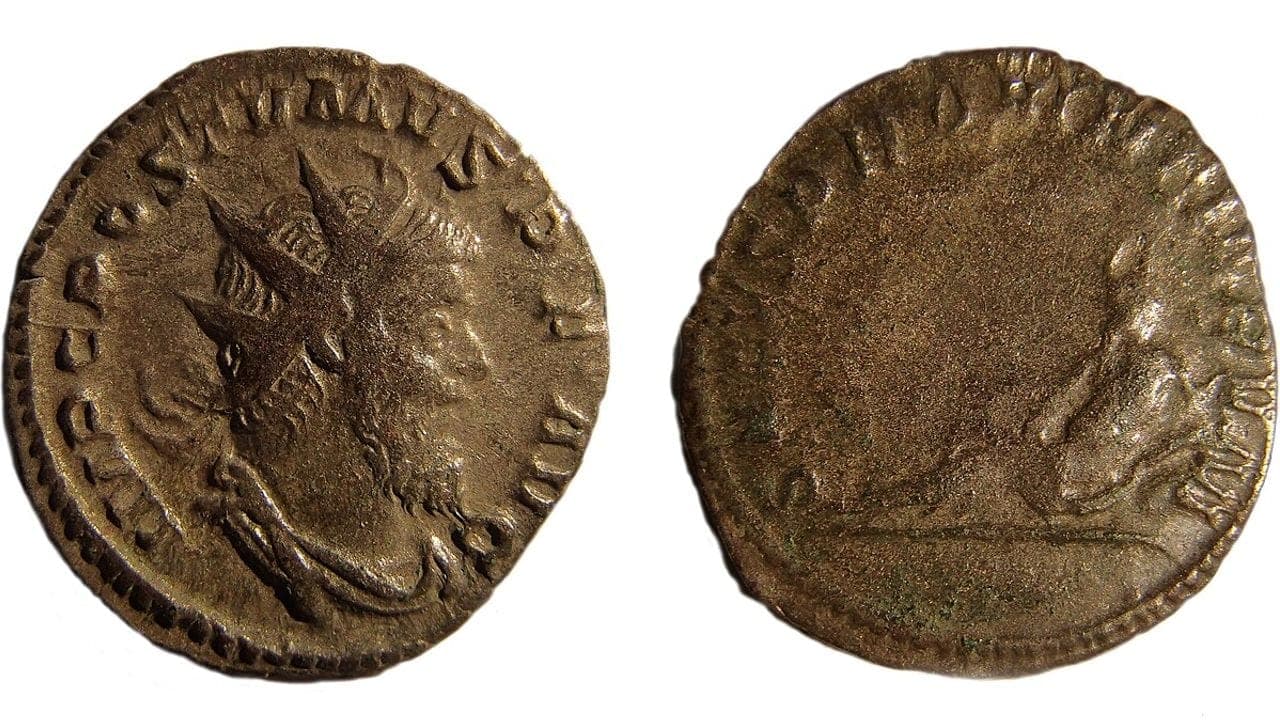
When you recover an ancient coin, the temptation is always the same: rub until the details appear. That is precisely the most common mistake. After hundreds or thousands of years in the soil, earth, corrosion products and mineral encrustations have built up on the surface, but beneath that layer lies the original surface, and once it is removed it cannot be restored. A simple rule applies: a coin can always be cleaned a little more, but what has been removed cannot be put back.
There is no single valid method for all coins, either. A hammered medieval silver denarius requires a very different approach from a Roman bronze covered in encrustations, while a gold coin may need very little cleaning, if any at all. For this reason, the first step, when possible, is to understand what metal it is and what period it dates from. Even without identifying the exact specimen, knowing whether you are holding silver, a copper alloy, gold or a modern metal guides all the choices that follow.
A concept to keep clearly in mind is patina. Ancient coins develop it over time through the reaction between the metal and the environment around it, and it is a particularly significant phenomenon on copper and bronze. A good, stable patina is part of the surface that has survived and can preserve much of the visible detail. Removing it to bring out the shiny metal underneath can leave a coin in far worse condition than it started. The criterion is to proceed gently and move on to more demanding interventions only when truly necessary.
The field is not the place to finish the job. In most cases, it is enough to remove loose soil as far as needed to understand what has been found. One of the easiest mistakes is to rub a freshly dug coin with your thumb or against your clothes: the soil contains tiny particles of sand, stone and grit that act as an abrasive on the surface. If the coin appears sufficiently solid, a spray or a rinse with clean water helps dislodge the soil without rubbing, and a small reusable spray bottle is a handy accessory to carry for this purpose. There is no need to identify and clean every coin next to the hole: if a find appears old, fragile or unusual, the most prudent choice is to store it carefully and examine it calmly at home.
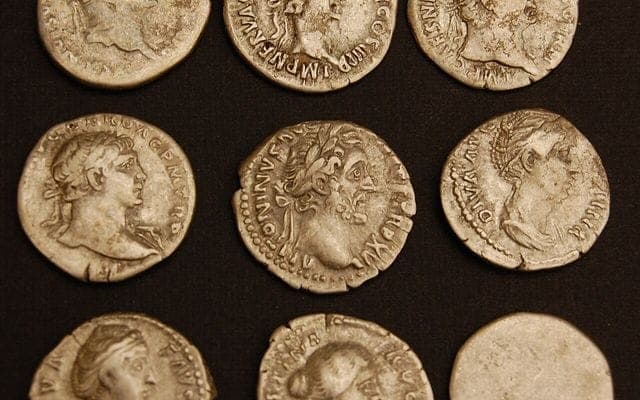
Turning to individual metals, silver behaves differently in the ground compared with copper alloys, although its state of preservation varies enormously depending on the purity of the metal, the surrounding soil and the time spent underground. Hammered medieval silver, for example, sometimes emerges requiring surprisingly little cleaning. If the coin is covered only with loose soil, clean water may be enough, and letting compacted soil soften before gently removing it is preferable to rubbing the surface straight away.
Another point not to be underestimated concerns the final appearance. Ancient silver should not return to the brilliance it had when it left the mint: grey, dark or tarnished surfaces are entirely normal for historic silver, and the goal is not to make a coin that is centuries old look new. Even when deposits are harder or form true encrustations that hide the details, the approach indicated by the source is gradual softening, avoiding scraping everything away at once.
During any intervention, it is advisable to check the coin often, to distinguish material that has simply settled on the surface from what forms the original surface itself. It is this capacity for observation, more than any tool, that prevents irreversible damage. When in doubt, stopping is always a legitimate choice.
Finally, there is the case of a find that appears rare, valuable or of historical importance. Here the advice is to have it identified before continuing to clean it, because each additional step can compromise information and value. In the Italian context, moreover, it is worth remembering that archaeological finds are subject to current regulations: a coin that seems important should in any case be carefully documented, noting the find spot, before any treatment.
In short, cleaning an ancient coin is an exercise in restraint. Clean water, patience, frequent inspections and the willingness to leave things as they are when the find is delicate protect the original surface, which is what makes a coin recovered after centuries interesting. Very often, the best intervention is the one that is not made.