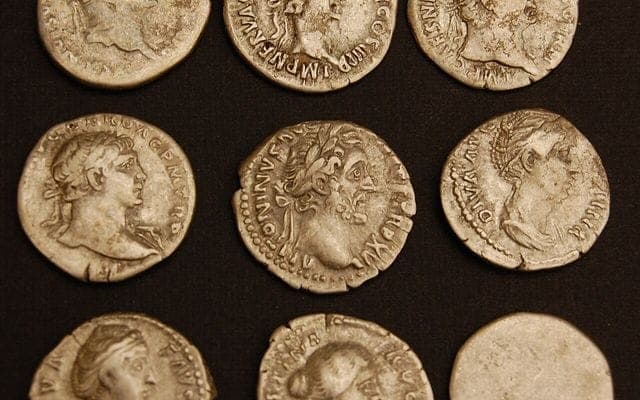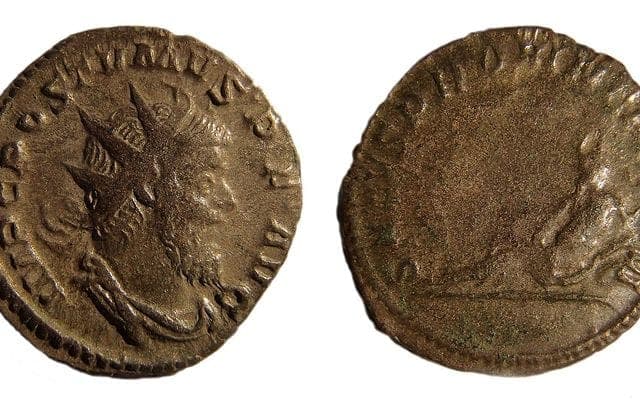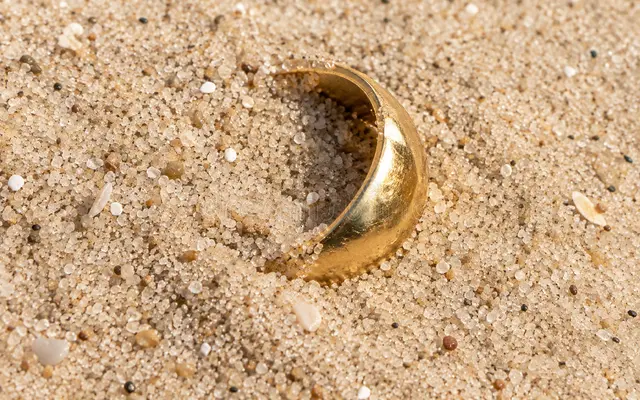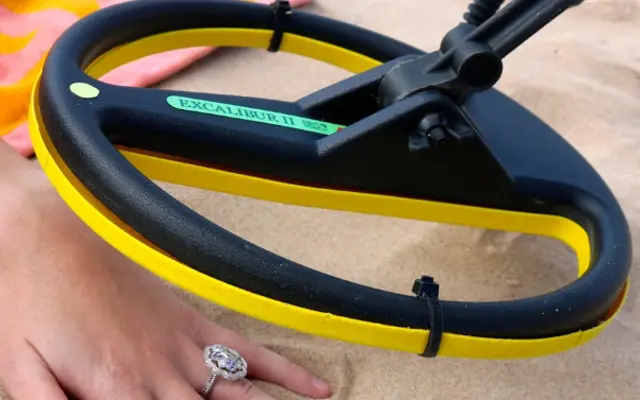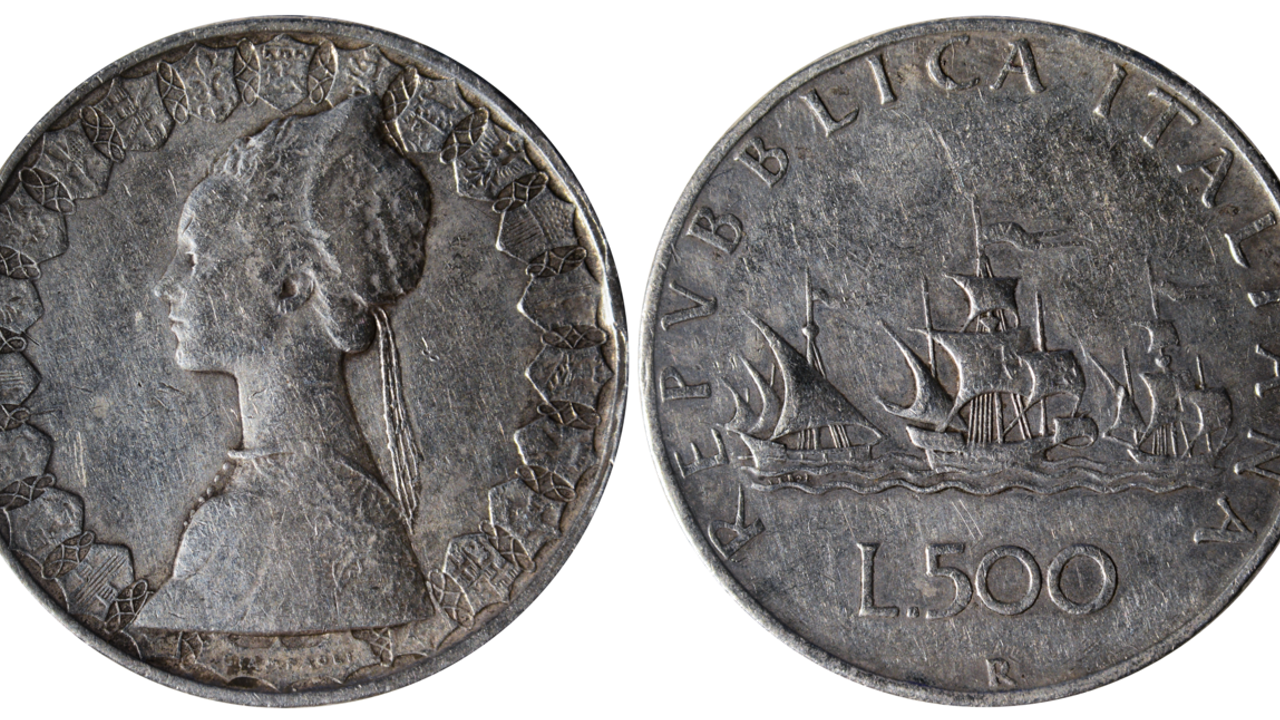
Asked whether silver sets off a metal detector, the answer is yes, and more easily than any other metal. Silver is the most conductive element of all, ahead of even copper. For a search coil, a silver coin is among the "noisiest" targets there are. It is no surprise that coins, rings, and silver finds have been the bread and butter of the hobby for fifty years.
The reason lies in the operating principle. The detector generates a magnetic field through the coil, and every metal object that enters the field develops induced currents inside it, known as eddy currents. The device reads precisely these currents. The more a metal conducts, the stronger the currents and the stronger the return signal. Since silver tops the conductivity ranking, its response is the most pronounced.
On the display, this translates into a high value on the discrimination scale and on Target ID. On most machines, silver coins fall in the highest conductivity segment, the same zone as copper coins and modern "clad" coins (plated, made of modern alloys), one notch higher. A coin the size of a small American ten-cent piece gives a high, narrow signal. A large silver dollar, according to the source, literally "screams." Those who use machines with tone ID, that is, audio target identification, immediately recognize the sharp, clear tone of silver, the one every detectorist learns to love.
Not all silver responds in the same way, however. Small, thin objects, such as chains or tiny earrings, give weaker signals. A thin silver chain offers very little surface area and behaves more like a scrap of foil. The source specifies that this is not a limit of silver itself, but a general problem with small targets. In these cases the pinpointer, the precision locating probe, becomes valuable for recovering what the coil barely signals.
There is also a practical aspect regarding depth. Old silver is often deeper than modern losses, because it has lain in the ground for decades. For this reason, a machine with good performance on high-conductivity metals is advisable. A useful reference is the range of 8–12 inches (about 20–30 centimeters) at which quality modern detectors typically reach a silver coin of common size, with possibly greater depths in favorable soils. The actual result, the source reminds us, still depends on the machine, the coil, and soil mineralization.
Where to look for silver? The text cites old parks, sites of homes predating 1965, fairgrounds, beaches, and church grounds as classic locations. The year 1965 is not accidental: until then, in the United States, dime and quarter coins were 90% silver. This is a reference tied to the American context, so those searching in Italy will need to think about the coins and finds of their own region. The general criterion still holds, however: first identify a frequented historic site, then choose the machine suited to that ground.
There is also a side to this beyond the search field. Jewelry, coins, and silver cutlery also set off walk-through metal detectors and security wands, provided there is enough mass. A pair of thin rings usually passes without problems, while a pocket full of coins will not. The same principle applies as with small targets: the quantity of metal matters as much as its nature.
To summarize the key points: silver is the most conductive metal and produces some of the strongest signals a detector can register. On the Target ID scale it occupies the upper range, above modern zinc coins and alongside or above clad coins. Large pieces are detected easily, while small, thin ones can go unnoticed at standard sensitivity.
For those aiming mainly at ancient coins, the advice that emerges is to choose a device with excellent performance on high conductors, also considering used or open-box models to contain costs. Silver does not just make the detector sound off: it is the target around which much of the hobby has grown.