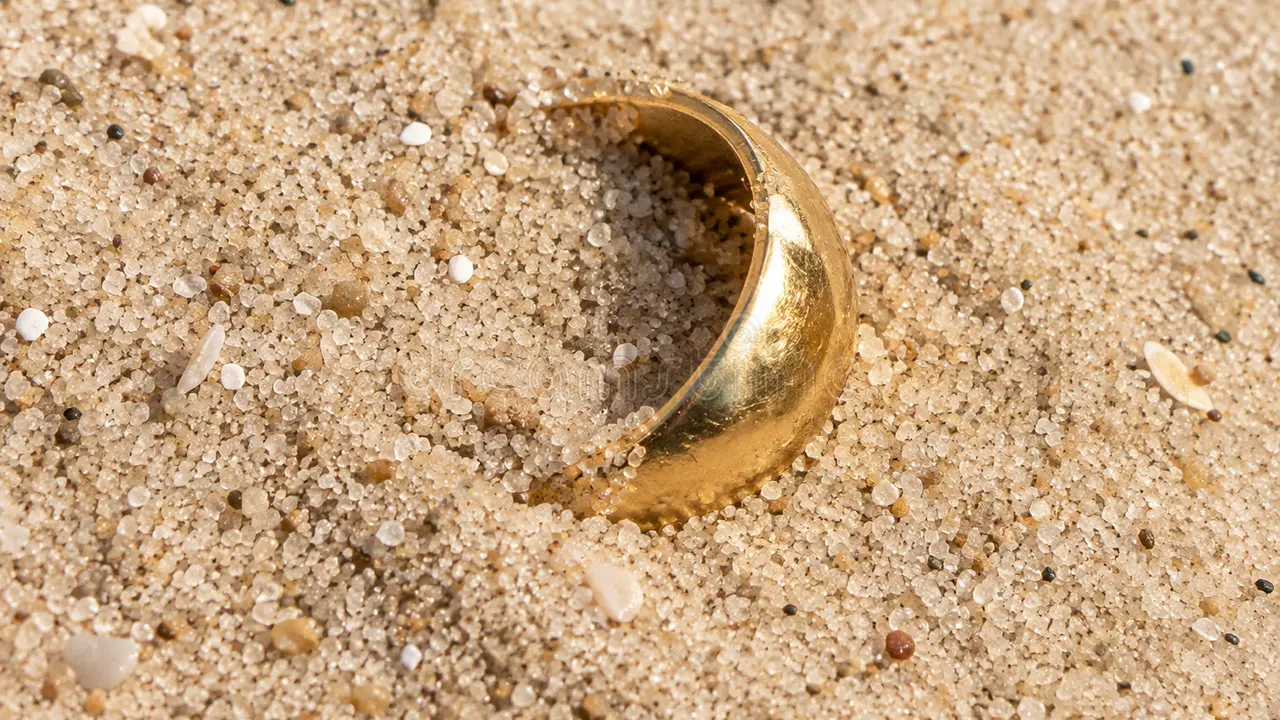
Among the finds a detectorist can make, the ring holds a special place. It has economic value, often sentimental value too, and according to US blogger Ace Covey, author of the Metal Detecting Life guide that inspired this article, it is one of the most frequently lost objects, especially in places such as beaches and parks. Anyone who searches regularly will sooner or later come across a wedding band or a family ring, and it is worth knowing how to handle it.
That they are easy to find, however, is only an impression. Being metal, one might think a ring is an immediate target for any coil. In reality its small size makes it elusive: in sand it can sink deep, and in soil it can sink too, especially in heavily trodden areas where the ground is constantly churned. The result is a small, deep object, therefore close to the limit of what the coil can see.
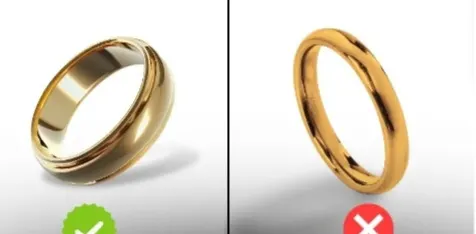
What complicates matters is the way the ring presents itself to the detector. Alloy purity, shape and even the orientation in which the object lies in the ground can change the detector's response. The same ring, lying on its edge or flat, can produce a different signal. This is why experience teaches not to trust a single pass and to check the target from several directions before forming a judgement.
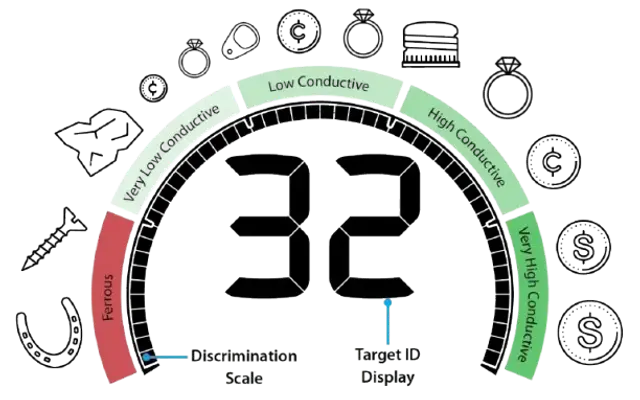
The best-known problem concerns gold. According to the guide, gold rings tend to give responses similar to common trash such as pull tabs and aluminium foil. The tone is medium, and the discrimination value usually falls in the middle of the scale. Those who set discrimination aggressively to avoid this trash risk cutting out precisely the jewellery. It is the classic trade-off of metal detecting: the more you reject, the less junk you dig, but the more valuable targets you leave in the ground.
The VDI number, i.e. the numerical target identification indicator shown on the display, should be read with this caution. According to the source, the position of gold depends on purity and size: larger rings tend to register slightly higher values, both in tone and in VDI. There is therefore no magic number for a gold ring, but a range of values within which many different targets fall. Some models, such as the Garrett AT Pro cited in the guide, show the range of targets on the display, which helps form a more precise idea of what is being indicated.
The advice that follows is to dig even uncertain signals. A 'doubtful' indication is exactly the one that may hide a ring, and it is worth treating it with patience. In the field, a good pinpointer helps a great deal in locating the target precisely, so it can be recovered through a contained hole, without damaging the lawn or the object. Even before that, it is worth carefully adjusting the ground balance to the terrain, because mineralised soil or wet sand can mask or distort weak signals.
Another essential aspect is learning to know your own equipment. The author compares metal detectors to musical instruments: each metal has its own timbre, and only habit makes it recognisable. Spending time listening to tones on known targets, noting what the VDI and the sound indicate, and then comparing them with what is dug up is the most concrete way to train the ear. Over time one learns to tell the full sound of a ring from the shriller one of a pull tab.
Then there is the human side of the hunt. Covey recounts helping several people recover rings that seemed lost forever, including an engagement ring that had been in a lake for over a year. Returning an object to its owner is, in his view, one of the greatest satisfactions of the hobby, and many detectorists offer their services to those who have lost a piece of jewellery. In these cases it is best to get the exact location from the owner and act with respect for the site and local rules.
In short, searching for rings calls above all for method: small size, signals that imitate trash, and variables of alloy and position mean one should not quickly dismiss medium tones. With considered settings, good knowledge of the equipment and a willingness to dig even uncertain signals, the chances of recovering a ring rise significantly, regardless of the metal's value.