Among the objects a detectorist hopes to recover, the ring holds a special place. It has economic value, but above all sentimental value, and for this very reason returning it, when possible, brings a particular satisfaction. According to the guide published by Focus Speed, finding rings with some regularity does not depend on luck but on three elements: choosing the location, observation and strategy. Equipment matters, but knowing where to point the coil matters at least as much.
The starting point is understanding how a ring gets lost. The source notes that many are taken off on purpose, to keep them safe, and then forgotten. Others slip off without the owner noticing, due to cold fingers, sunscreen or a sudden movement. This leads to a simple criterion: the best places are those where people take off their jewelry or gather and move quickly, because in both cases the chances of an unnoticed loss increase.
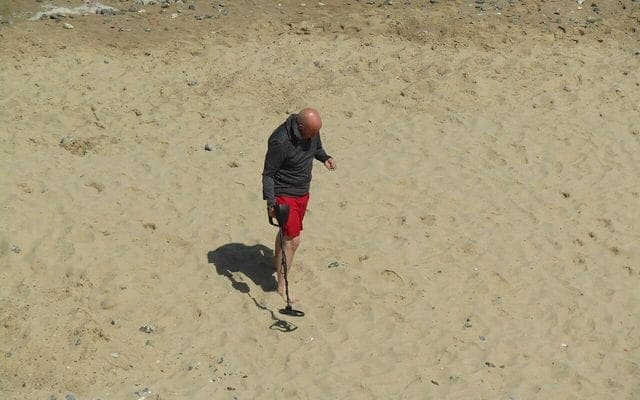
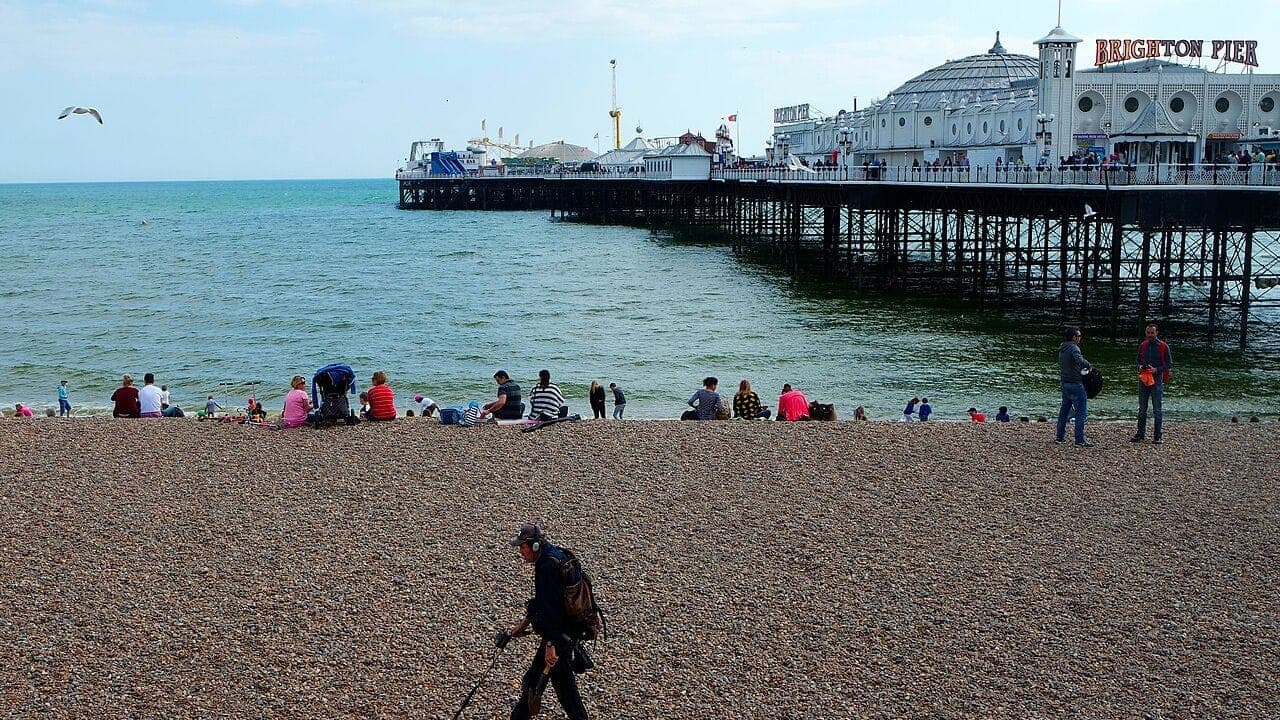
Following this reasoning, the high-probability areas indicated by the guide are sports fields, playgrounds, beaches, skate parks and the edges of parking lots. What they have in common is that they are heavily frequented, involve wide or abrupt movements and, in some cases, encourage people to remove rings and personal items. Those who play sports or play with children, for example, tend to take off whatever might get in the way or get damaged, and then do not always remember where they put everything down.
The season also plays a role. In the cold months fingers shrink and a ring becomes looser than usual, so it can slip off easily, especially when gloves are removed. For this reason, according to the source, autumn and winter are particularly interesting periods in places where people spend long hours outdoors. A practical tip is to pay attention to the routes people take from the field to the parking lot or the food stand, because it is along those paths that hands get shoved into pockets, gloves get pulled off and something gets lost without anyone noticing.
The second level of research is documentation. The guide suggests using historical orthophotos, LIDAR surveys and dedicated metal detecting apps to identify areas where, today as in the past, there was heavy foot traffic. The reason is that parks, beaches and public spaces change their layout over time: a spot that is quiet today may once have been a very busy gathering place. Comparing old images with the current situation makes it possible to discover where picnic areas, performance stages or shaded spots where people used to stop were located.
The same applies to beaches. Historic access points, such as old staircases, paths or gateways, may differ from today's routes. Historical maps and aerial photographs help locate these forgotten accesses, where people heading to the sea could take off their jewelry or set down their belongings. In essence, combining modern tools with field research is a way to reach neglected areas that offer good chances of recovering rings and other finds.
The source's last suggestion is perhaps the simplest and also the most effective: go to the site during the busiest hours and simply watch. Observing where people sit, where they walk and where they leave backpacks and clothes makes it possible to identify the exact spots worth scanning. Only then should you return to search, concentrating on those very spots. According to the author, this strategy alone has led to dozens of rings for the detectorists who adopted it. This figure is reported by the guide and has not been independently verified, but the principle is sound: reading how people behave reduces the area to cover and concentrates time where it matters.
From a practical standpoint, this approach has an additional advantage: it forces you to choose methodically instead of wandering aimlessly. First you observe, then you plan, and finally you search with a precise idea of where the object may have fallen. The general rule is to focus effort on high-traffic, high-movement areas, especially where jewelry is removed or personal items are set down. With persistence and the right tools, the chances of recovering rings, whether gold, silver or other metals, increase significantly.
A final note, valid in any country: before searching in parks, beaches or public areas, it is always wise to check local rules and required permits, and to respect the sites by leaving them tidy. Focus Speed's guidance comes from a US context, so it needs to be adapted to Italian law, which regulates metal detecting in a very different way. The method, however, remains useful everywhere: historical research, field observation and attention to how and where people use outdoor spaces.