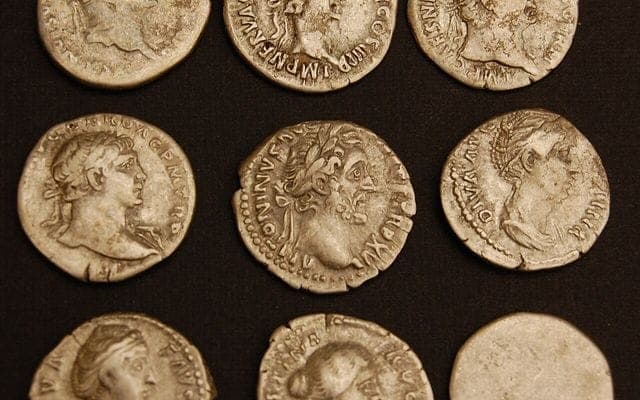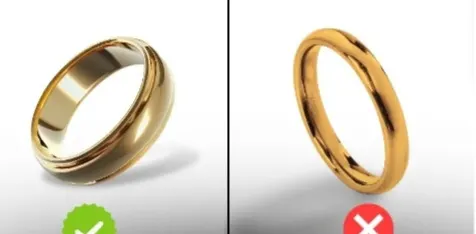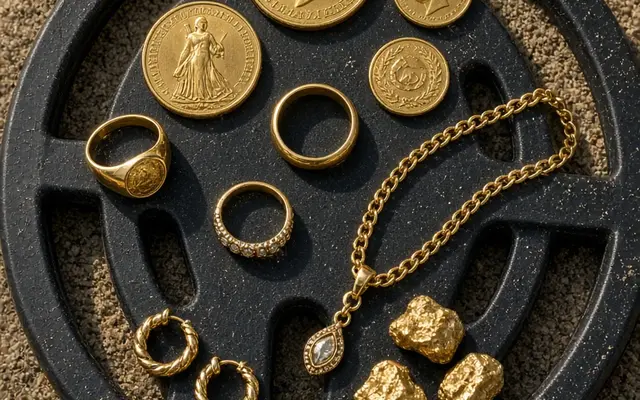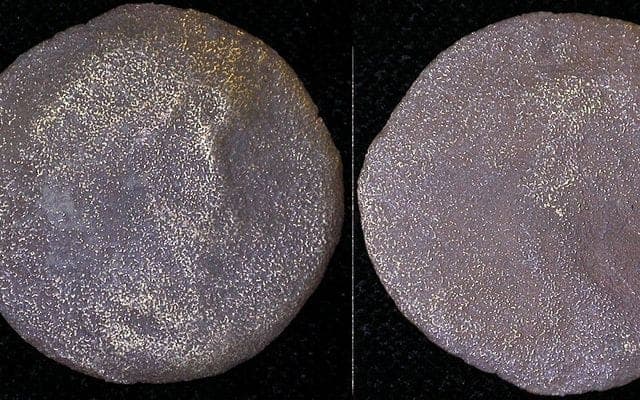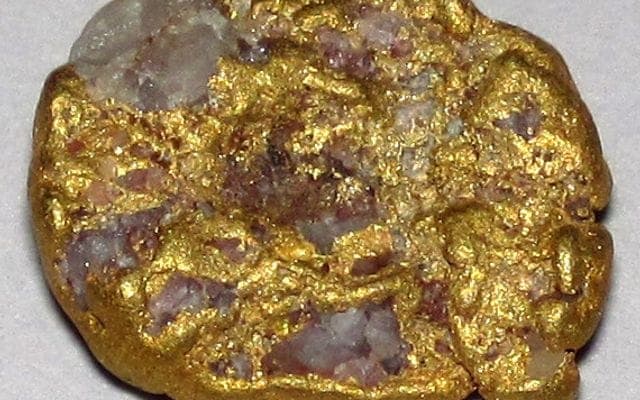
Among the first questions for anyone starting out with metal detecting, when faced with a ring, a buckle, a button, a coin or a jewel just recovered, is always the same: what metal is it made of? Colour alone is not enough. Soil, corrosion, plating and years underground can make one metal look like another. The most reliable method is to combine several simple clues, starting with checks that do not damage the find.
The underlying rule, set out in the Focus Speed guide that inspired this article, is not to clean aggressively, scratch, file or subject a potentially valuable or historic object to chemical tests before observing it carefully. A collectible coin, a military relic, a period button or an antique jewel can lose value through overly zealous intervention. First look, then decide if and how to intervene.
The first tool is a small neodymium magnet, useful above all for ruling out possibilities. Gold, silver, copper and brass are not strongly magnetic: if the whole object sticks firmly, it probably contains iron or steel. The opposite, however, proves nothing. Aluminum, lead, zinc and many other metals are not magnetic, so an object that does not stick is not therefore precious. It should also be remembered that if only a clasp, a spring or a pin is attracted, the main body of the jewel may still be made of another metal.
The second clue is the appearance of the surface, to be read with the patina in mind: the transformation a metal undergoes over time through reaction with air, moisture and soil. Silver tends to develop a grey or black tarnish. Copper starts with reddish or orange tones and, as it ages, often turns brown or green. Brass, when fresh, is golden yellow, but underground it can turn brown or green. Gold generally keeps its golden appearance, with the exception of white gold and rose gold, which are alloys deliberately coloured differently.
Then there are the hallmarks. With a 10x magnifying lens it is worth inspecting the inside of rings, clasps, the back of pendants and, in general, areas protected from wear. Among the most common silver marks are 925 and STERLING; for gold you will come across 10K, 14K and 18K, or the corresponding fineness marks 417, 585 and 750. A hallmark is a strong clue but not absolute proof: even plated or counterfeit items can carry marks. It must therefore always be cross-checked against other evidence.
Another source of information is damage already present. Before making any new scratch, it is better to observe worn edges, old scratches and points of attack. If a yellow surface reveals reddish copper beneath, plating is likely. If a silver-coloured surface shows yellow brass underneath, the piece may simply be silver-plated. The idea is to let existing wear tell you what it can before adding new wear.
When visual examination is not enough, the scale comes into play, and for coins, rings and small finds the gram is the most practical unit. For the average detectorist, the guide recommends a pocket digital scale or a jeweler's scale with a capacity of around 200-500 grams and a precision of 0.01 grams: accurate enough to check the weight of coins and jewelry and for most routine comparisons.
When choosing, check four features: readout to the hundredth of a gram, tare or zero button, calibration function and included calibration weight. A flat stainless steel tray and a protective cover are also useful. The scale should be calibrated following the instructions and placed on a solid, level surface, away from vibrations and draughts, because it takes very little to distort the reading.
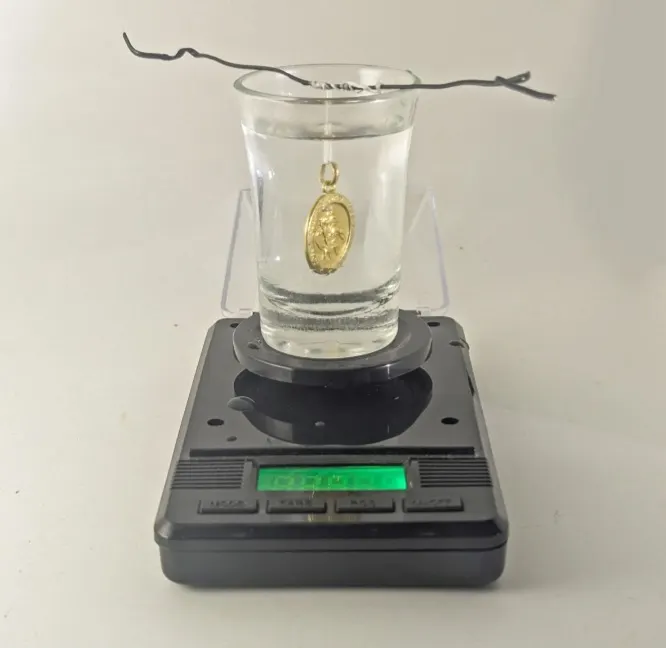
Weight alone says little: it becomes truly informative when linked to volume, and this is where relative density, or specific gravity (SG), comes in. This is the comparison between the density of an object and that of water; in simple terms, it indicates how heavy a metal is for the space it occupies. Since gold is very dense, a solid gold object normally has a specific gravity much higher than one in brass, copper or aluminum. This is why two rings of similar size can weigh very differently.
The guide describes a method accessible to beginners, requiring only a gram scale and a cup of water; the operational part of the procedure is not reproduced in full in the text available to us, so here we limit ourselves to the general principle. There remains, however, a concrete indication about equipment: a 0.01 g scale can provide a useful estimate on a full, fairly heavy ring, but very small jewelry displaces very little water. For rings, earrings and light pieces, a milligram scale with a precision of 0.001 g gives a noticeably better measurement.
The suggested setup is therefore two-tier: a 500 g scale with 0.01 g precision for everyday metal detecting and, if you take the specific gravity test seriously, a smaller 50 or 100 g model with 0.001 g precision for precision checks.
In short, the recommended path goes from least invasive to most demanding: magnet to rule out iron, observation of colour and patina, search for hallmarks with a lens, reading existing wear and, only afterwards, weight and specific gravity measurements. No single clue decides on its own: it is the convergence of several signals, gathered without ruining the find, that turns a hypothesis into a reasoned assessment.