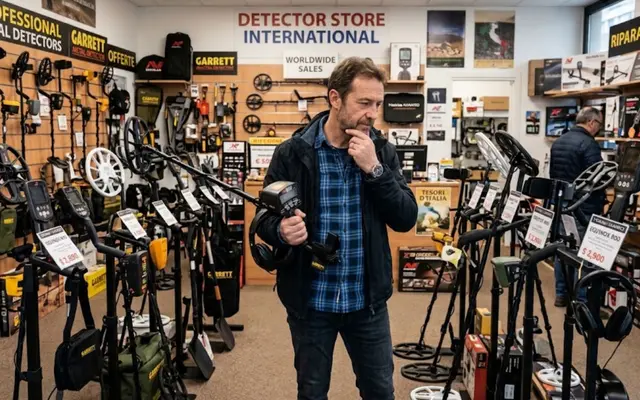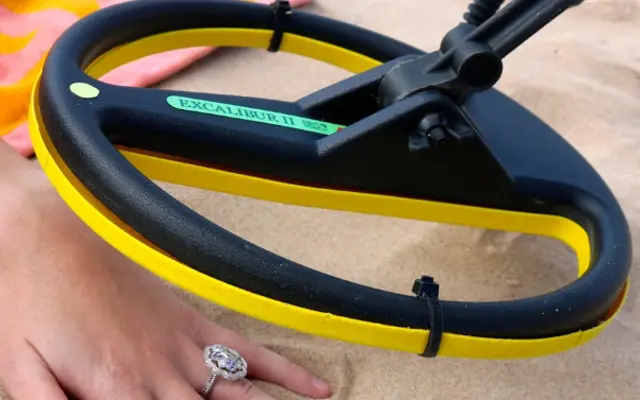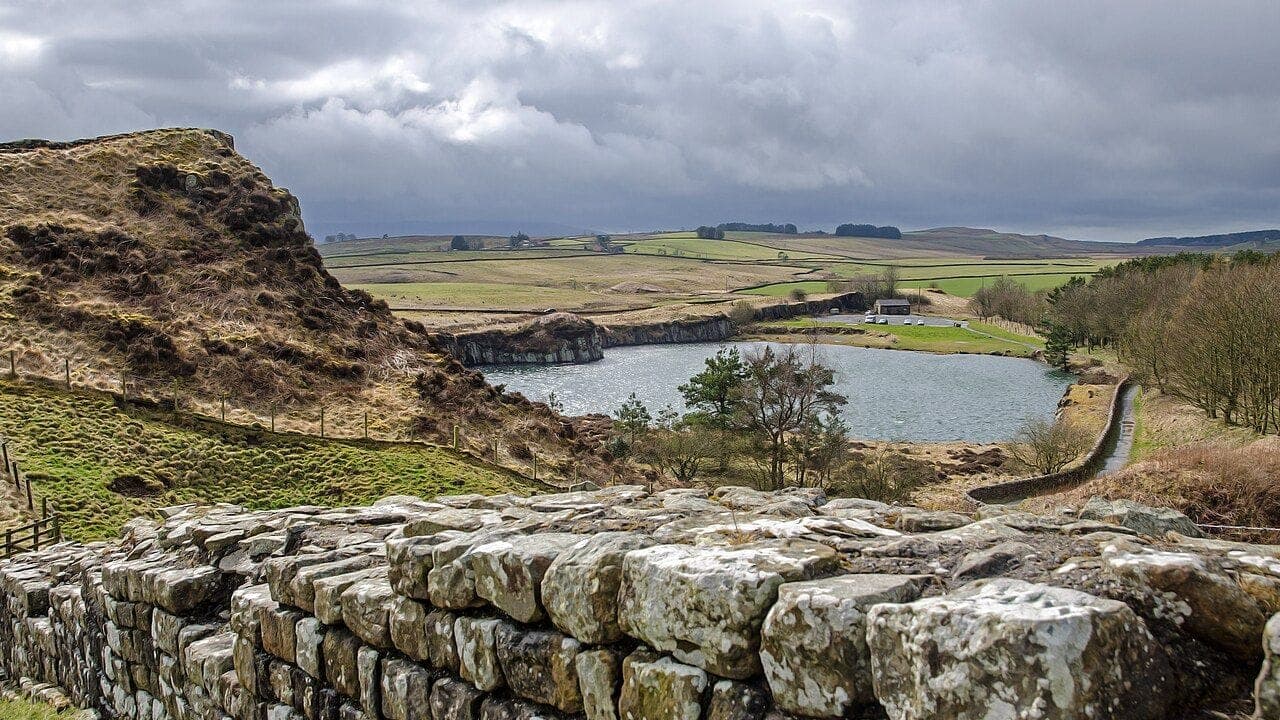
Anyone who practices metal detecting knows the scene well: someone mentions an old farmhouse, you get permission, unload the equipment and start sweeping the ground. It is a legitimate approach, and many important finds were born exactly this way. But there is a different way to set up the search, described in the “History Detective” series by the American website Focus Speed, which shifts the starting point from “where do I search?” to “why was this place important?”
The underlying idea is simple: the detector signals that there is metal under the coil, but it does not say who lost it, why it ended up there, what happened before it arrived, or what other traces surround it. Research answers these questions. Context turns a curious object into a historical testimony and, according to the series, also leads to better finds, because it makes it possible to predict where history happened before setting foot in the field.
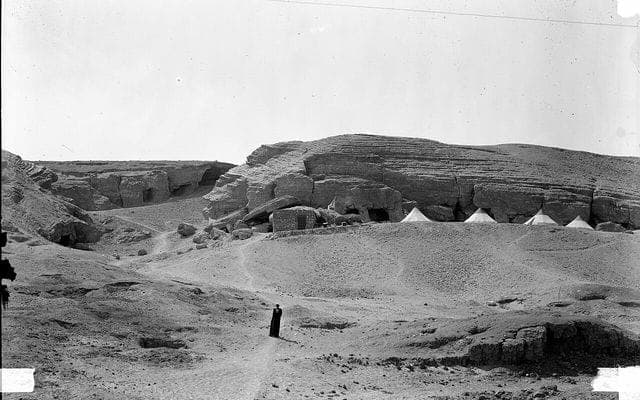
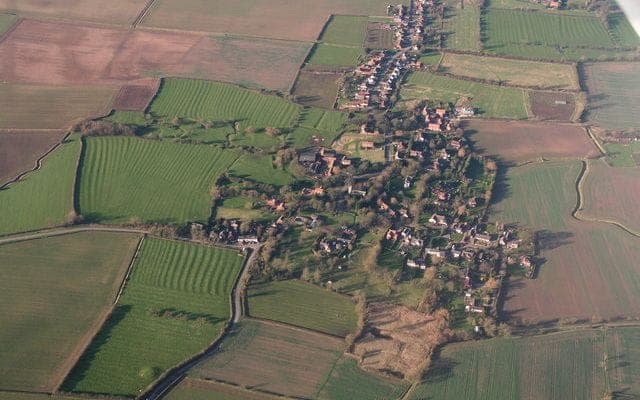
The method starts from a series of questions. Why did this place exist? Who passed through it? When? How did they get there? What evidence should they have left behind? And, above all, where is it most likely that someone lost or hid something? These questions lead away from the field and into the archives: period newspapers, cadastral records, historical maps, survey notes, aerial photographs, LiDAR images, military reports, diaries, tax registers, censuses and property transfers. To these are added elements that the landscape preserves on its own: old roads, water sources and the very shape of the terrain.
Every document becomes a kind of witness. Some confirm the working hypothesis, others call it into question. When the evidence begins to converge, the picture becomes clearer and confidence in the theory grows. Only at that point, the series stresses, does the metal detector leave the vehicle. You no longer wander hoping to stumble upon history: you test a hypothesis built with method. The machine becomes one tool among others, and the most valuable resource is the knowledge of the person using it.
One interesting aspect is the ambition to identify sites that no one has ever touched. According to the author, learning to reason this way can lead much more quickly to places left intact, rather than relying on chance. The source specifies that it remains legitimate to keep searching an old house or a battlefield, but that is what the vast majority of detectorists have been doing for decades. Asking different questions offers a deeper understanding of the site and, as a consequence, more numerous and higher-quality finds.
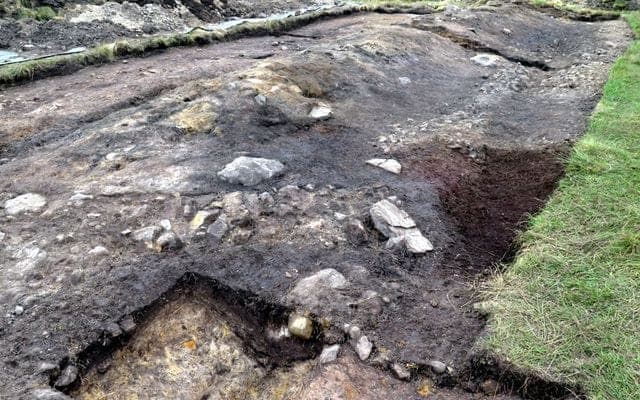
The discussion is not only about the hobby. Forgotten campsites, abandoned fords, vanished communities and isolated farmhouses are part of a shared history, and according to the series many of these places disappear every year under new buildings, farming activity, erosion or simple neglect. Investigating them properly, documenting what is found and preserving their story helps keep them from being lost forever. For this reason, recovering artifacts is considered only one of the goals: the broader aim is to learn how to investigate the past.
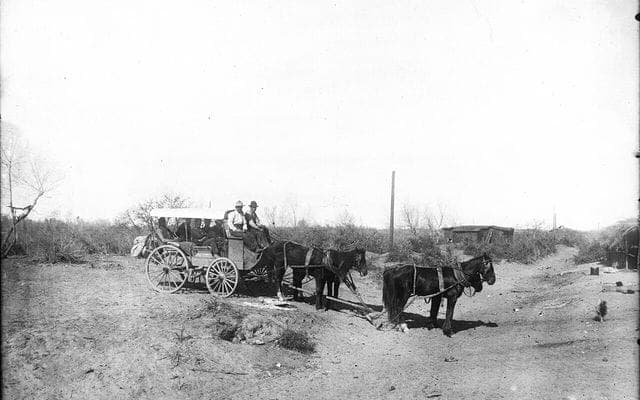
The proposed training path covers travelers, ferries, crossings, ghost towns, farmhouses, land ownership, military movements and ancient transport routes, with an invitation to read documents and landscape together, as if they were witnesses to the same event seen from different perspectives. The first part, organized in twelve episodes, explicitly focuses on travelers, routes, daily movements, stopping places, campsites, terrain and water, together with the practical conditions of life on the road.
For those searching in Italy, the source is American and the examples it cites belong to that context; it offers no guidance on local regulations. The transferable value is the method: reasoning about who passed through, why they stopped and what the territory offered, and verifying every hypothesis on maps and documents before going into the field. We remind readers that in Italy metal detector searches are subject to specific rules and permits, which must always be checked before any outing.
In short, the History Detective approach invites you to reverse the usual order of operations. First the question, then the sources, then comparison with the terrain and, only at the end, the search with the detector. It is not a shortcut, but a way to turn outings into reasoned investigations, in which every signal is more likely to have meaning and every find comes with a context worth telling.