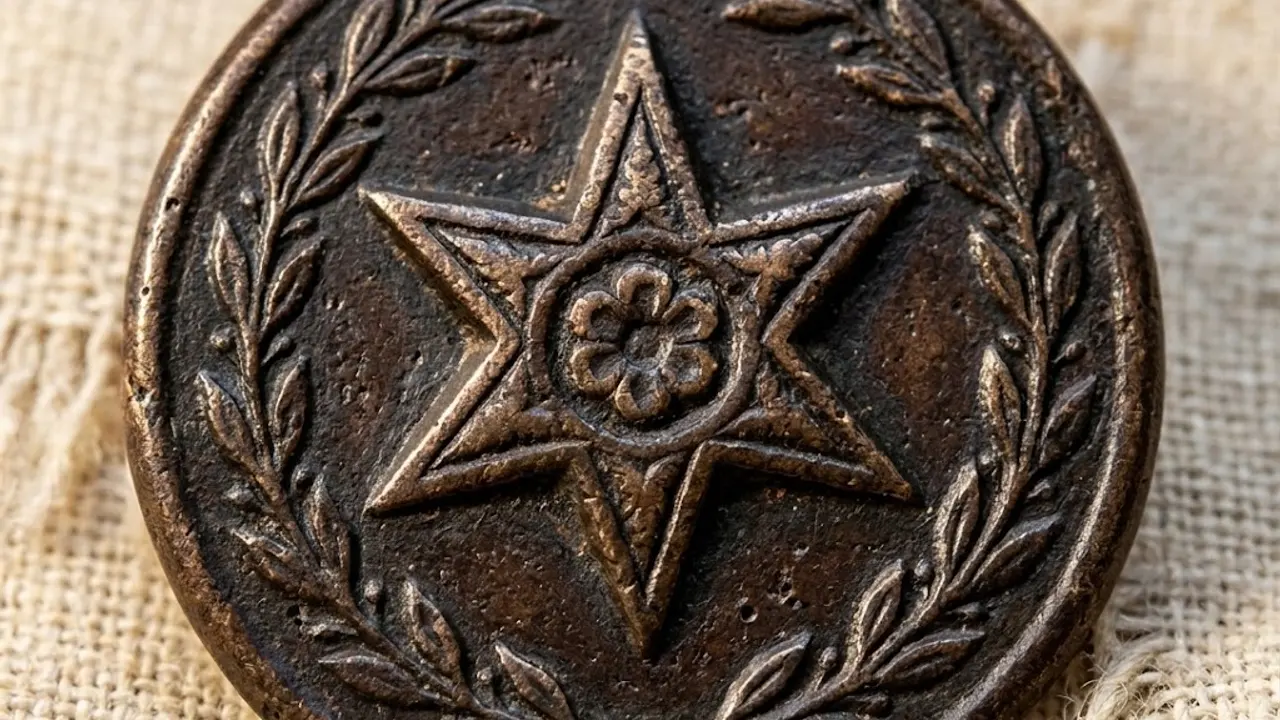
A new thread on the technical forum Dankowski Detectors, a US community dedicated to metal detecting, reports a case that anyone who practices this hobby knows well: an item recovered in the field that cannot be identified. The protagonist is a button, and the request for help was posted by a user signing as PulltabKing.
According to the forum, the message was posted on Sunday, October 4, 2026, at 7:13. The author explains that the button was found by his search partner near Paint Rock, Texas. Both, he writes, are having difficulty determining what it is, and they are asking the community whether anyone has ideas.
The available information is very limited. The post does not state the button's material, its dimensions, whether there are any marks or emblems on the front, or the type of fastening on the back. The recovery depth, the context of the site, and the machine used to locate it are also unknown. For this reason, it is not possible to offer hypotheses about the period or origin of the item, and this article does not intend to do so.
At the time of consultation, the thread had three replies and 1,624 views, a sign of some interest among forum users. The content of the replies, however, is not reported in the source available to us, so we do not know whether an identification emerged.
The case nonetheless offers a useful methodological point. When asking for help online with a button, experts typically expect sharp photos of the front and back, with the back in particular clearly visible. Precise measurements and information about the material are also needed. Many historical buttons bear the manufacturer's name or other inscriptions on the back, which can narrow the possibilities considerably. The context of the find also matters: the type of site and the other items recovered in the same area help place the object.
Overly aggressive cleaning is another risk. Brushing or treating an unidentified item with harsh products can erase decisive details and reduce its historical value. It is better to limit yourself to gentle washing with water while awaiting the opinion of more experienced people.
There is also the good practice of always documenting the recovery location, noting the coordinates or at least a description of the area, in compliance with local rules and land access permits. In Italy, it should be noted, metal detecting is subject to much stricter rules than in other countries, and any find of archaeological interest must be reported to the competent authorities.
The Dankowski Detectors thread is thus a small example of the role specialist forums play as a place for discussion among enthusiasts. Those who want to follow the evolution of the discussion can consult the original forum page directly, where the three replies published so far are visible.