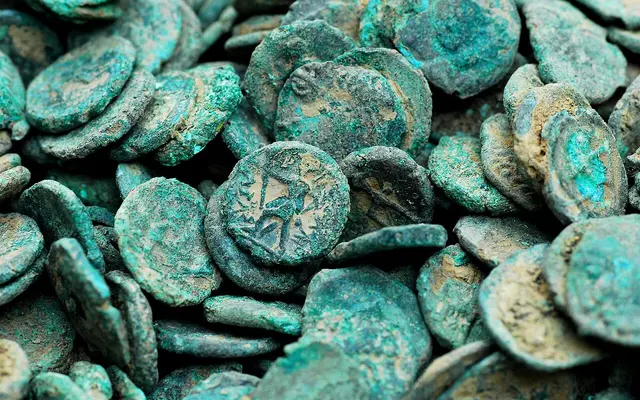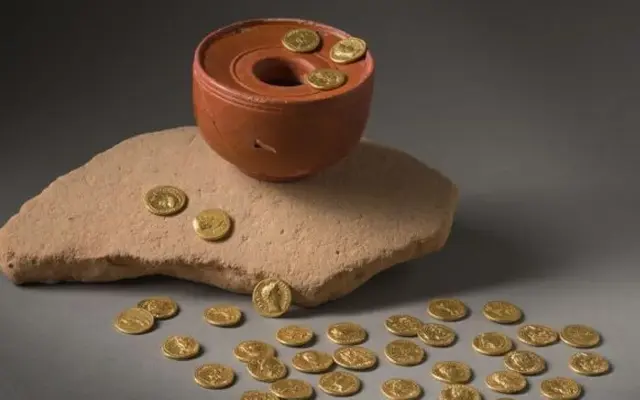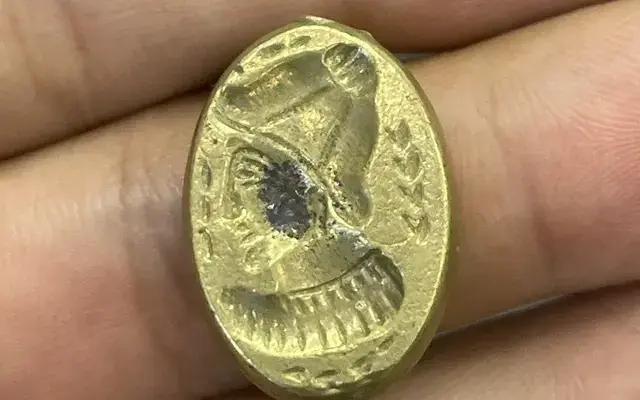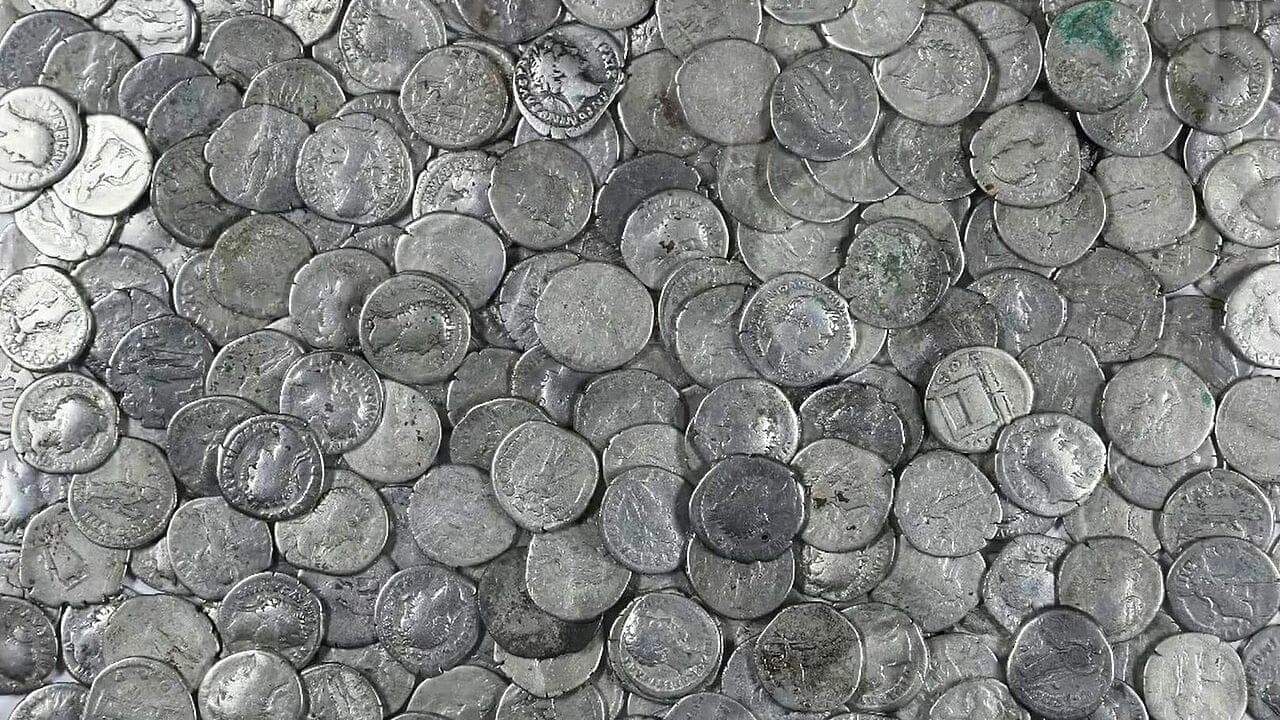
More than 700 coins have been recovered from three sites near the Drava River, in southwestern Hungary, in Somogy County. According to Archaeology Magazine, the publication of the Archaeological Institute of America, which in turn cites Hungary Today, the research was carried out by archaeologists from the Rippl-Rónai Museum.
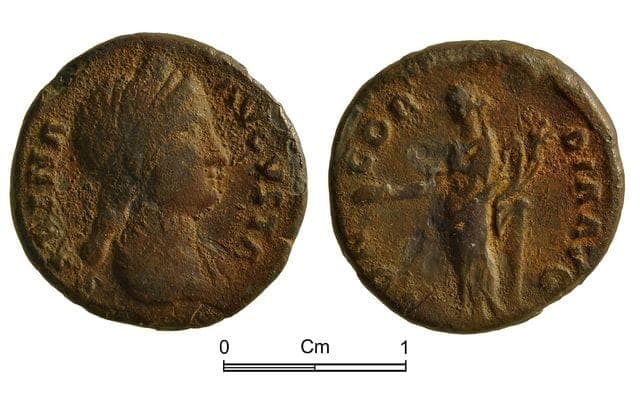
The largest part of the numismatic assemblage has been dated to the reign of Emperor Constantine, who ruled from 307 to 337 AD. The group is therefore dominated by issues of the 4th century, an important detail because it helps to date the contexts in which the coins were found.
Alongside the Constantinian coins, scholars also identified silver specimens attributable to several other emperors. These include Antoninus Pius (138–161 AD), Severus Alexander (222–235 AD), Aurelian (270–275 AD) and Probus (276–282 AD). Taken together, these names span almost two centuries of Roman monetary history, from the mid-2nd century to the full 4th century.
Particular attention has been paid to a coin of the so-called “consecration” type. According to the sources, it is thought to have been minted to commemorate the death of Emperor Claudius II, who reigned from 268 to 270 AD, and his subsequent deification. Issues of this kind are among the most recognizable for those who study Roman numismatics, since they are tied to a specific event in imperial cult.
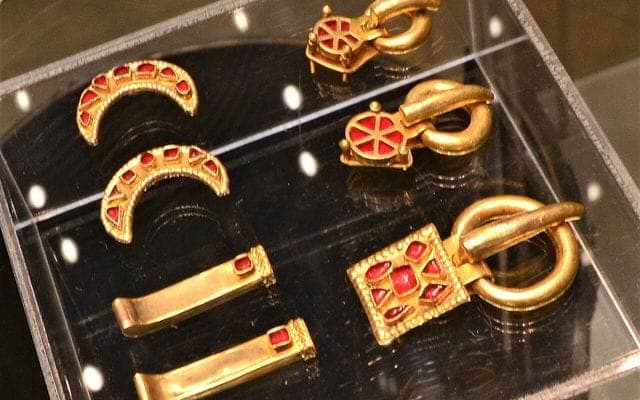
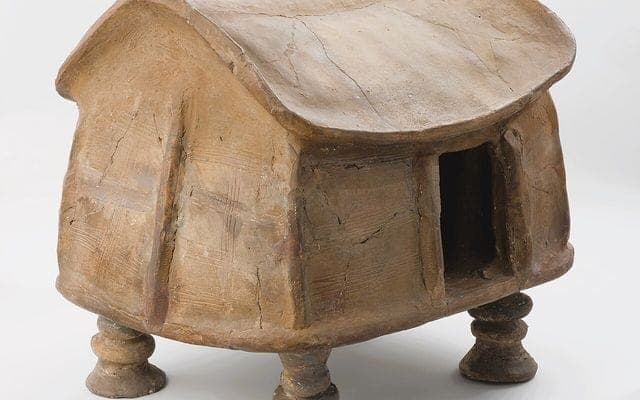
The find was not limited to coins. Fragments of pottery, fibulae (the pins used to fasten garments) and pieces of a balance also emerged from the three sites. The latter item is among the most interesting for interpreting the contexts, because instruments of this type are generally linked to weighing goods or metals. The available sources, however, do not specify what use the balance in question was intended for, and it would not be correct to go beyond the known data.
It is also worth noting what the articles do not say. They do not indicate the exact location of the three sites, the methods of the search, or whether the coins come from a hoard or from different stratigraphic layers. It is also unclear when the recovery took place. This information will probably be clarified by the museum's scientific publications, and for now it is prudent to wait for them.
For metal detecting enthusiasts and those interested in ancient history, the case nonetheless offers food for thought. The value of a find like this lies not only in the number of coins, but in the possibility of associating them with pottery, everyday objects and the context of the ground in which they lay. It is this association that turns a collection of objects into a historical source, which is why the careful documentation of every find and its position remains the most valuable part of any field research.
The picture emerging from the reported news is that of an area along the Drava that was inhabited and active in Roman times for a fairly long period, as the variety of issues suggests. To better understand what kind of settlements or activities were involved, it will be necessary to await the complete study of the materials by the Rippl-Rónai Museum.