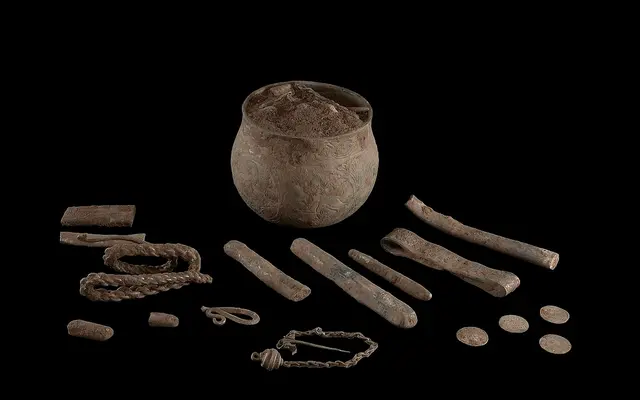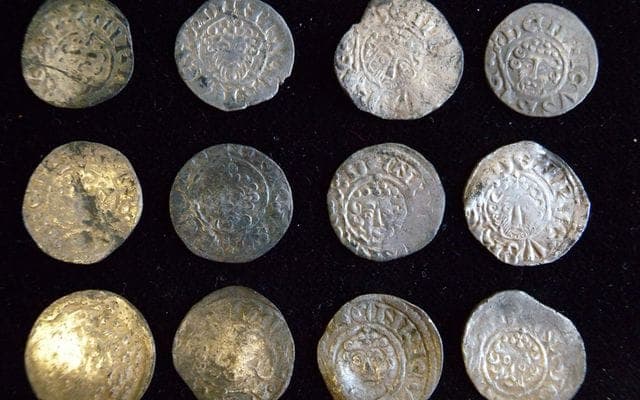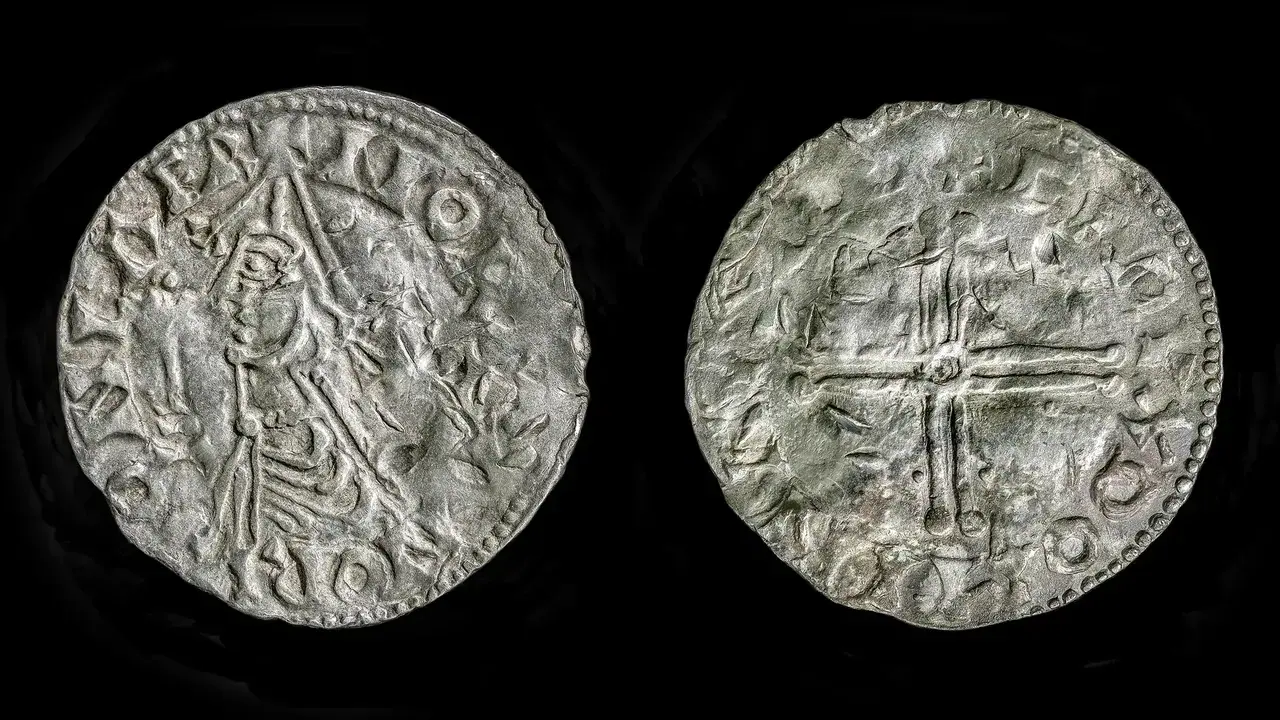
A silver coin minted during the reign of one of the most famous Viking kings has emerged from the large Mørstad hoard in Norway, which to date comprises 5,500 coins and may still grow. The find was reported by Live Science, which cites a press release from the Museum of Cultural History at the University of Oslo.
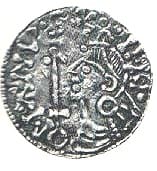
The coin bears the name of Norwegian king Olaf Haraldsson, who reigned from 1015 to 1028 and who, as Saint Olaf or "Olaf the Saint", is regarded as Norway's national saint. According to the museum, fewer than twenty coins minted under his reign have been found in total, so the new find is described as a "national treasure".
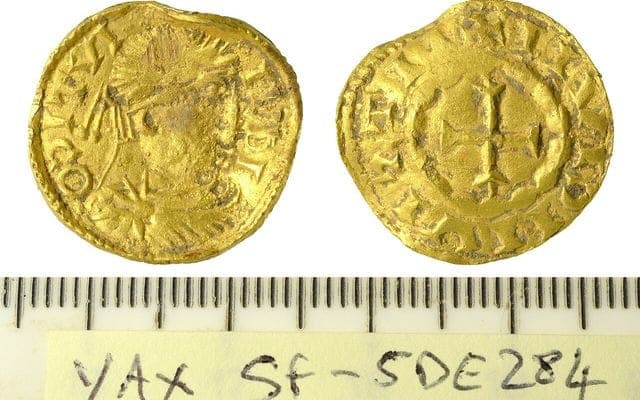
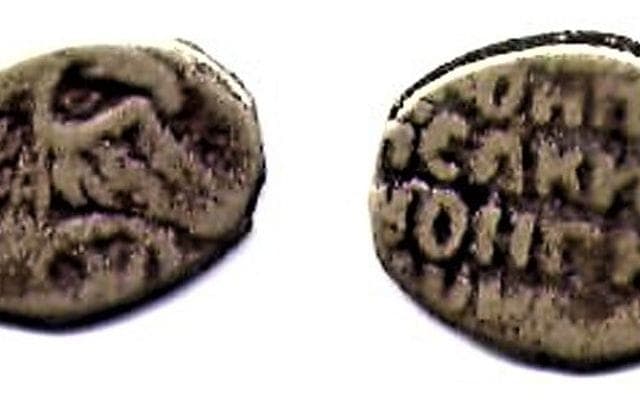
Svein Gullbekk, a coin expert at the University of Oslo, described the piece in these words: the obverse shows the king's portrait and a cross, while the reverse bears another cross. It is, he explained, "a coin of large-scale Christianization". For the scholar, the coinage shows how Olaf used money to legitimize the new faith and present himself as a Christian king of European rank: "This is branding."
The historical context, reported in the press release, helps explain the value of the piece. Olaf encountered Christianity as a young man, taking part in Viking raids in England and France, and was baptized at Rouen around 1013. Becoming king in 1015, he proclaimed around 1024 that only Christianity would be permitted in Norway. According to the University of Bergen, cited by the source, a large part of the country nevertheless remained loyal to the Norse gods during his reign, especially in the central region of Trøndelag and in the eastern areas.
Olaf was proclaimed a saint shortly after his death, which occurred in 1030. Today he is remembered as one of Norway's first Christian kings and as the first Norwegian sovereign to mint coins in his own name, a detail that makes the find especially significant for medieval Scandinavian numismatics.
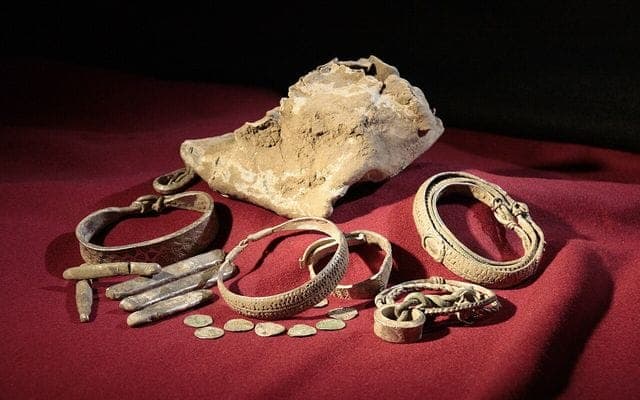
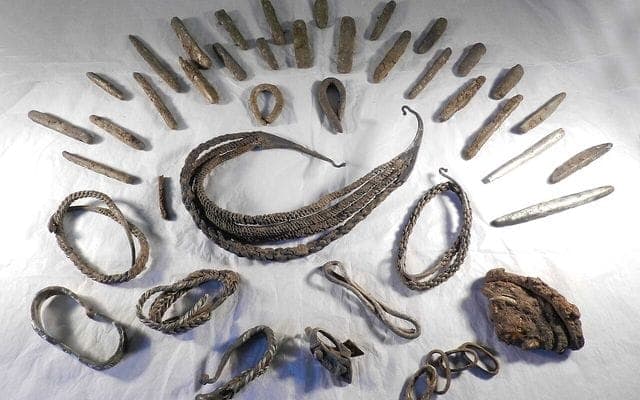
The coin is part of the Mørstad hoard, discovered in April near the village of Rena. At the time, the hoard was described as the largest ever found in Norway, with almost 3,000 silver coins estimated. Subsequent research has, however, produced a much higher estimate: between 5,500 and more than 6,000 coins, according to the museum's press release.
The identification of the specimen was almost accidental. Anne Skogsfjord, a museum researcher tasked with cataloguing the coins, said she had initially thought it was an Anglo-Saxon penny. Then she read the inscription and realized the coin had been minted in Norway under Olaf. "I saw that it read ONLAF R+ NORMANORV. Could it really be a coin of Olaf Haraldsson that I was holding in my hand?" the researcher asked herself.
For metal detecting enthusiasts, the story underlines how important correct identification and cataloguing of every single piece in a hoard can be. An ordinary-looking penny can turn out to be a leading historical document, and only the study of inscriptions and iconography makes it possible to tell it apart. The cataloguing of the Mørstad hoard is still under way, and further details may yet emerge.